The Non-Alcoholic Craft Beer Boom Is Reshaping Restaurant Draft Lines and Retail Aisles
The rapid rise of zero-proof craft beers is changing bar menus, retail shelf space, and restaurant check averages across the country.
By Foodie Pundit Newsroom - Published - Updated - Section: Wine Spirits
Key points
- Advanced brewing techniques like vacuum distillation allow non-alcoholic beers to replicate authentic craft hop and malt flavor profiles.
- Restaurants and bars are leveraging premium non-alcoholic beers to protect check averages as younger consumers cut back on alcohol.
- Major beverage distributors and independent craft zero-proof breweries are driving double-digit sales growth in retail aisles.
- The majority of non-alcoholic beer buyers are flexible consumers who also drink traditional alcohol on other occasions.
The rapidly evolving beverage industry is undergoing a structural transformation as non-alcoholic beer transitions from a niche, defensive option to a primary growth driver. Driven by shifting consumer health priorities, broader cultural movements around wellness, and significant technological breakthroughs in brewing science, zero-proof craft and commercial beers are capturing unprecedented market share across North America. Restaurants, bars, and retail distributors are responding to this trend by expanding their non-alcoholic portfolios to retain high-margin beverage sales among increasingly sober curious patrons.
Recent reporting from NBC News highlights how the sensory profile of non-alcoholic beer has shifted dramatically over the past several years. Historically, non-alcoholic offerings were criticized by consumers for flat flavor profiles, unpleasant sweetness, and watery textures that failed to mimic traditional lagers or ales. Today, modern vacuum distillation, reverse osmosis, and specialized yeast strains allow brewers to remove alcohol without stripping essential hop aromas and malt body. The result is a diverse marketplace capable of delivering authentic India Pale Ales, stouts, and wheat beers that hold up under blind taste tests.
The rapid adoption of non-alcoholic beer is largely fueled by generational shifts in alcohol consumption patterns. Younger demographics, particularly Generation Z and Millennials, are reducing their overall alcohol intake due to health concerns, mental clarity goals, and social media transparency. This movement is not strictly about absolute abstinence, as a significant majority of non-alcoholic beverage purchasers also consume traditional alcohol on other occasions. Consumers are simply seeking flexibility, opting for zero-proof alternatives during weeknight dinners, athletic recovery days, or social gatherings where driving is required.
For restaurant operators, this consumer shift represents a vital revenue opportunity rather than a loss of beverage sales. Traditionally, patrons who refrained from ordering alcohol defaulted to ice water, tap sodas, or low-margin iced teas. Premium non-alcoholic beers allow establishments to maintain elevated check averages while serving guests who choose not to drink ethanol. The price point for craft non-alcoholic brews often matches standard draft prices, offering favorable gross margins for operators who curate robust zero-proof menus.
Creating a convincing non-alcoholic beer requires sophisticated equipment and precise process management. Traditional beer relies on alcohol to carry volatile aromatic compounds and provide a distinct mouthfeel that balances grain sweetness against hop bitterness. When alcohol is removed or prevented from forming, the remaining liquid often suffers from off-flavors, such as unfermented wort notes or excessive acidity. Industry leaders have invested heavily in proprietary technology to solve these mechanical challenges.
One primary approach involves vacuum evaporation, which lowers the boiling point of alcohol so it can be gently drawn off at lower temperatures, preserving delicate floral and citrus hop terpenes. Another method uses specialized yeast strains that ferment sugars into flavor compounds without generating ethanol above the legal limit of zero point five percent alcohol by volume. As documented by NBC News evaluations, these advancements mean that consumers can now select from robust microbrew offerings that genuinely replicate the bitterness of a Pacific Northwest IPA or the creamy roasted profile of an Irish stout.
RETAIL IMPACT AND SHELF SPACE COMPETITION
The grocery and off-premise retail landscape is shifting alongside hospitality channels. Beverage aisles that once relegated non-alcoholic options to a tiny bottom shelf near the mixers now allocate premium eye-level real estate to zero-proof brands. National supermarket chains and specialty bottle shops report double-digit year-over-year sales growth in the non-alcoholic segment, even as traditional beer sales experience flat or declining volumes across certain traditional legacy categories.
Major international brewing conglomerates are aggressively buying up independent non-alcoholic brands or developing their own zero-proof flagships to protect market share. Independent craft operations dedicated exclusively to non-alcoholic brewing have raised substantial venture capital to scale production and distribution networks. This influx of capital ensures that research and development will continue to refine liquid quality, carbonation stability, and shelf-life over the coming years.
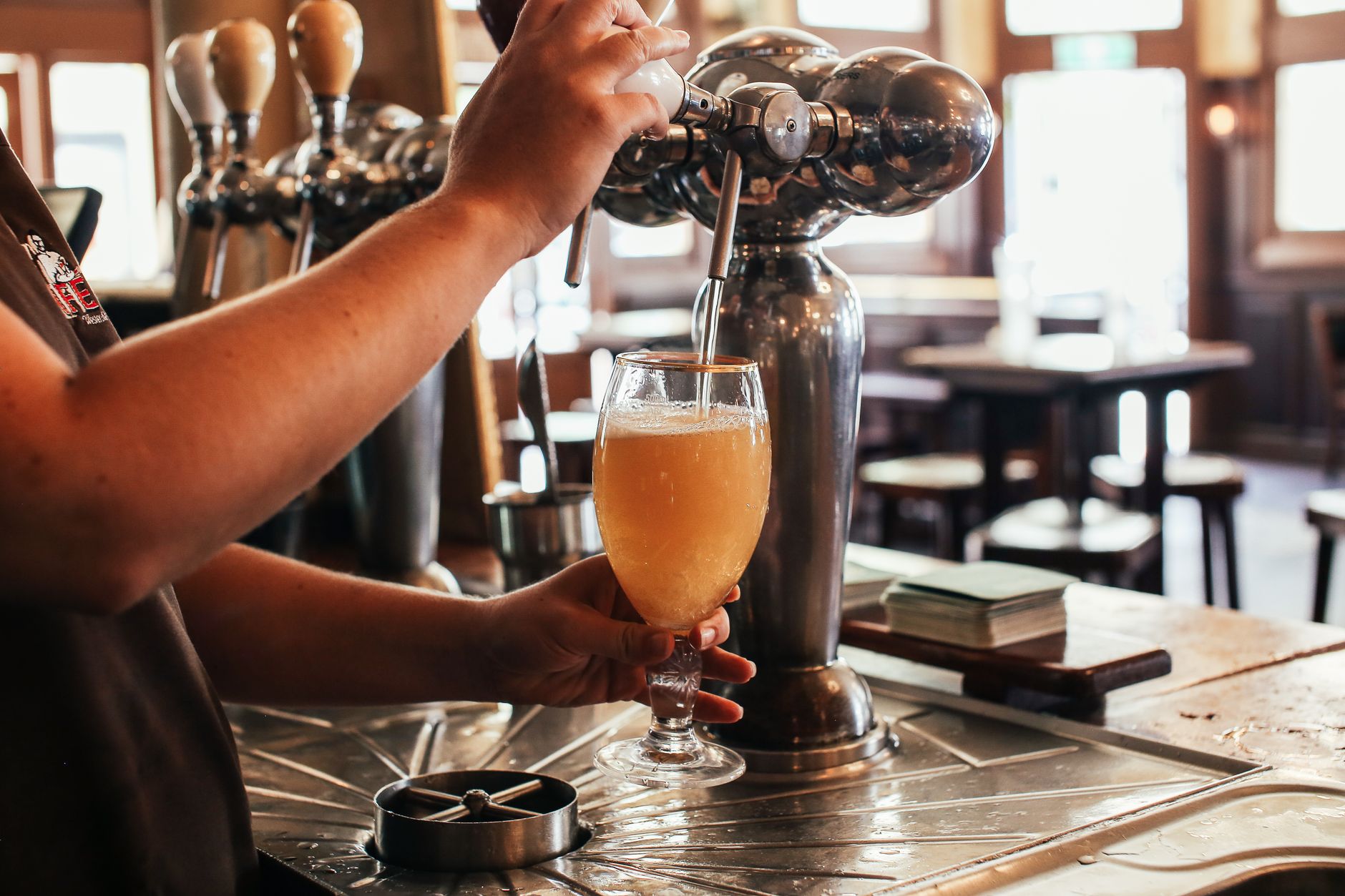
For bar managers and beverage directors, integrating non-alcoholic beers requires a thoughtful strategy beyond simply stocking a single token option. Leading hospitality groups are treating non-alcoholic selections with the same level of care as their premium wine lists and craft draft lines. Proper glass presentation, temperature control, and staff education regarding flavor pairing are essential to maximizing guest satisfaction and driving repeat orders.
Staff members should be trained to describe non-alcoholic beers using standard sensory terms such as piney, resinous, malty, or crisp, rather than pitching them merely as health products. Normalizing zero-proof choices on main drink menus helps eliminate any lingering social friction for guests ordering non-alcoholic drinks. As hospitality establishments embrace this inclusive approach, the stigma historically associated with declining alcohol gradually disappears.
For everyday diners and beverage enthusiasts, the revolution in non-alcoholic brewing translates directly to better choices and higher satisfaction when dining out. You no longer have to settle for sugary soft drinks, plain sparkling water, or poorly made legacy non-alcoholic beers when attending social dinners or visiting your local pub. Expect to see an expanding array of high-quality draft and canned zero-proof beers on menus wherever you travel.
If you are looking to moderate your alcohol consumption without sacrificing the ritual of a cold craft beer, exploring the current market is easier than ever. Prices for non-alcoholic options remain comparable to traditional craft beer, reflecting the advanced technology required to produce them. As choices expand, don't hesitate to ask server recommendations for non-alcoholic pairings, as hospitality staff are increasingly trained to guide guests toward top-tier zero-proof pairings.
Sources and methodology
Reported from the public datasets below.
More from the Foodie Pundit Newsroom
- The Rise of Craft Non-Alcoholic Beer Reshapes Industry Economics
- Zero-Proof Brewing Tech Transforms Non-Alcoholic Beer Market
- Fast Casual Restaurants Face Margin Squeeze As Inflation Reshapes Business Models
- Fast Casual Squeeze: How Inflation Is Reshaping Lunch Outings
- Fast Casual Sector Faces Margin Compression as Inflation Tests Consumer Spending Limits