The Penny Drop: Inside the San Francisco Restaurant Defining a New Era of Dining
Chef Julian Solis's new Dogpatch tasting menu spot is more than a hot reservation; it's a bellwether for the future of fine dining in a city hungry for a
By Foodie Pundit Newsroom - Published - Updated - Section: Luxury Dining
Key points
- The post-pandemic fine dining model in San Francisco is shifting towards smaller, more intimate tasting-menu concepts with a strong emphasis on sustainability and narrative.
- For new restaurants, a combination of a chef's strong pedigree, a unique culinary viewpoint, and a highly curated social media presence can generate significant buzz and demand before traditional reviews are even published.
- The Dogpatch neighborhood is solidifying its status as a key culinary destination, attracting high-concept restaurants that blend with the area's industrial and artistic identity.
- Exclusivity, driven by high price points and limited seating, remains a powerful driver of desirability and profitability in the high-end restaurant market, as demonstrated by Penny's $295 tasting menu and rapid booking.
The address, tucked away on a quiet, industrial street in San Francisco’s Dogpatch neighborhood, is intentionally discreet.
There is no grand sign, only a subtle, burnished brass circle inset into a heavy oak door, bearing a single, humble inscription: Penny. Yet, this quiet facade belies the monumental buzz crackling around what has become, in a matter of weeks, the city's most sought-after dining destination. Securing a reservation feels like winning a lottery, a phenomenon amplified despite the latest federal data showing wholesale food prices are up 4.7% year-over-year, with beef prices skyrocketing 9.4% to an average of $27.97 per pound and fresh vegetable prices climbing 6.4% to $0.85 per pound.
This price surge, however, hasn't deterred the eager diners fighting for a table, a clear indication of a restaurant defying market trends.
Penny is the singular vision of Chef Julian Solis, a veteran of some of the world's most lauded kitchens, including formative stints at The French Laundry in Yountville and, more recently, as the chef de cuisine at San Francisco's own three-star Benu.
His new establishment, a 20-seat jewel box, represents a deliberate move away from the grand, sprawling dining rooms of his past. Instead, Solis has crafted an intimate, almost theatrical experience that feels both intensely personal and deeply connected to the current culinary moment. It is a restaurant that asks what fine dining in San Francisco should be now, in the wake of a tumultuous period of reset and reflection for the industry.
The answer, according to Solis, is smaller, more focused, and more sustainable. Penny serves a single tasting menu, priced at $295 per person, that changes not just with the seasons, but with the week's micro-seasons and the specific yields from a tight network of local farmers, fishermen, and foragers. It is an approach that leaves no room for error and demands an almost obsessive attention to detail, a trait for which Solis is well known.
Julian Solis is not a newcomer to the pressures of high-stakes cooking. Over a decade spent in the refined culinary temples of Northern California has honed his technique and sharpened his palate. But Penny, he explains, is a departure. It is a restaurant built on his own terms, funded not by a large restaurant group, but by a small circle of private investors who believed in his intensely personal concept.
"I wanted to build a restaurant that felt like a direct conversation with the guest and with our ingredients," Solis says, speaking from the small, calm open kitchen that forms the heart of the dining room. "The name Penny comes from that idea of a small, found treasure. Something of value that you might overlook at first glance. It is about finding the extraordinary in the seemingly ordinary, which is the essence of our culinary philosophy."
This philosophy is evident in every aspect of the experience. The team is small, just eight people in total, including Solis. Service is a fluid, choreographed dance, with chefs often delivering and explaining their own creations. The traditional barriers between front and back of house have been all but erased, fostering a collaborative environment that translates into a more holistic and engaging meal for the diner.
Solis’s approach is a direct response to the burnout and systemic issues that have plagued the fine dining world. By creating a smaller, more controlled environment, he aims to build a sustainable career for himself and his team, one that prioritizes creativity and well-being over endless expansion and the relentless pressure to perform.
The food at Penny is a masterclass in precision and restraint, yet it hums with creative energy. It is rooted in the bounty of Northern California but filtered through a global lens, incorporating techniques from Japan and principles from Nordic preservation. A meal might begin with a delicate, single-bite tartlet.
Its shatteringly thin sourdough base holds a dollop of cultured cream and a glistening mound of Bodega Bay red abalone, infinitesimally diced and seasoned with yuzu kosho. It is a perfect encapsulation of the Penny ethos: hyperlocal produce, refined technique, and a surprising juxtaposition of flavors.
Another early course, already an icon on social media, features a single, perfect scallop from Monterey Bay, gently warmed in brown butter and served in a pool of fermented green tomato water. The broth is electric, a vibrant, savory liquid that tastes more of tomato than the fruit itself, a result of a painstaking, months-long fermentation process. It is a dish of stunning simplicity and profound complexity.
Solis shows a particular affinity for aging and preservation. The star of the menu is arguably the Kelp-Aged Sea Bream. The fish is wrapped in giant Pacific kelp and aged for ten days in a specially designed chamber.
This process seasons the fish from within, imbuing it with a subtle umami and firming its texture. It is sliced thin, like sashimi, and served with paper-thin slivers of fermented black radish and droplets of bronze fennel oil. The result is a revelation, a taste of the sea that is at once pristine and deeply complex.
Main courses might feature a dry-aged duck, its skin rendered to a glassy crisp, served with a sauce made from its own bones and a rare, cherry blossom-infused shoyu. It comes accompanied by a small bowl of toasted grains, a mix of spelt and kamut, that adds a nutty, earthy counterpoint to the richness of the duck. It is cooking that is technically flawless but also deeply soulful.
The menu, which runs to about a dozen courses, is a narrative journey through the landscape of Northern California. It is a testament to the idea that luxury in dining is no longer about foie gras and mountains of caviar, but about access to pristine ingredients, elevated by skill and a powerful creative vision.
The decision to open in the Dogpatch was a calculated one.
The neighborhood, with its industrial past and creative present, mirrors the restaurant's own identity. It is a place where artisans and makers thrive, a spirit that Solis wanted to embed in Penny’s DNA. The restaurant occupies a former ironworks, and its design, by the acclaimed San Francisco firm Studio KDA, honors that heritage while creating a serene, almost monastic, dining sanctuary.
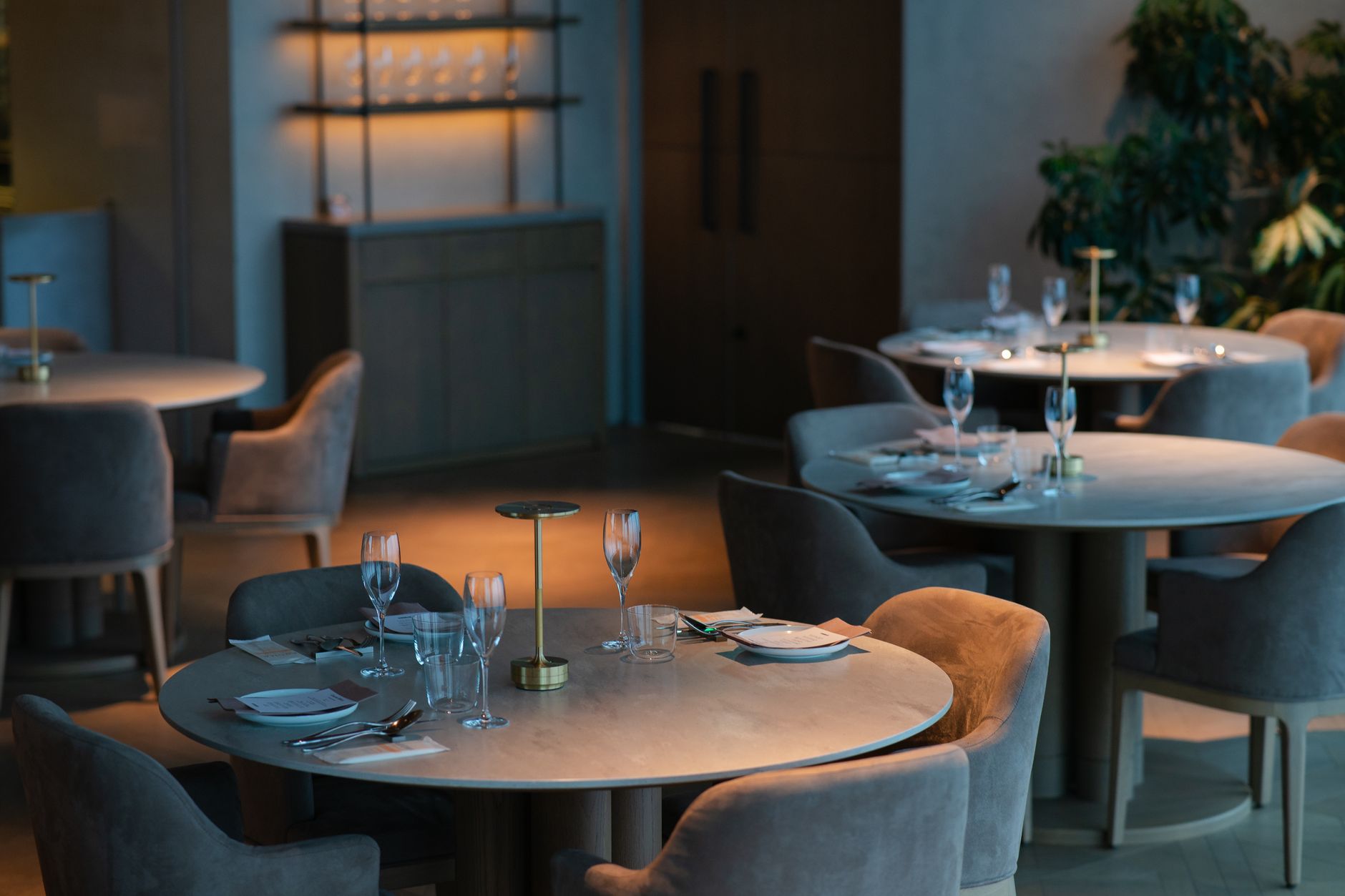
The room is a study in texture and natural materials. Exposed brick walls have been painted a soft, chalky white. Tables are fashioned from reclaimed local elm, their surfaces left unadorned, without tablecloths.
The lighting is dramatic and precise, with warm, focused beams illuminating each table as if it were a stage, while the rest of the room falls into soft shadow. The central kitchen is clad in dark, slate-gray stone and stainless steel, a gleaming hub of quiet, focused activity.
The chairs, custom-made by a local woodworker, are surprisingly comfortable, designed for a meal that lasts nearly three hours. Every element, from the weighty, hand-thrown ceramic plates to the minimalist, delicate cutlery, has been chosen to complement the food and enhance the tactile experience of dining. There is no art on the walls; the food, the space, and the people are the decoration.
This minimalist aesthetic serves a clear purpose. It strips away all distractions, focusing the diner’s attention completely on the plate and the company. It is a confident, bold choice that signals a new kind of luxury, one based on substance and quiet integrity rather than overt opulence. Penny feels less like a typical restaurant and more like a private tasting studio.
The frenzy to dine at Penny is a case study in modern restaurant economics. With only 20 seats and two seatings per night, five nights a week, the restaurant can serve a maximum of 200 guests per week. The reservation system, which releases tables for the
Sources and methodology
Reported from the public datasets below.
More from the Foodie Pundit Newsroom
- Legacy Dining Concepts Face Wave of Closures as Profit Margins Shrink
- Persistent Grocery Inflation Continues to Strain Canadian Household Budgets
- Canadian Grocery Prices Remain High Despite Broader Economic Cooling Trends
- Classic American Diners Face Extinction as Operating Costs Mount
- Beyond Three Stars: Dominique Crenn's Remaking of the Modern Bistro