The Rise of Snack-Centric Dining Forces Restaurants to Overhaul Traditional Menus
As diners swap traditional three-course meals for casual grazing platters, restaurant operators are racing to overhaul menu structures and kitchen workflows.
By Foodie Pundit Newsroom - Published - Section: Coffee Cafes
Key points
- Diners are increasingly skipping traditional main entrees in favor of multiple small plates and appetizers.
- Kitchens are adjusting line prep and inventory management to handle irregular pacing and high-volume small plate orders.
- Beverage sales are rising as guests pair craft cocktails and mocktails with prolonged casual grazing sessions.
- Restaurants are introducing bundled snack boards to protect average check sizes while meeting consumer demand.
The viral dining phenomenon known as girl dinner has officially jumped from social media feeds into the boardrooms of major restaurant operators. Originally popularized on platforms like TikTok, the concept revolves around assembling meals out of small, seemingly random assortments of snacks, appetizers, side dishes, and pantry staples. While the trend began as a low-effort home dining routine, consumer behavior analysts note that patrons are increasingly bringing this unstructured ordering style into commercial dining rooms across North America.
Industry data compiled by Nation's Restaurant News indicates that traditional multi-course dining is experiencing a notable shift in consumer interest. Diners, particularly younger demographics like Gen Z and Millennials, are skipping conventional main courses entirely. Instead, they are opting to build custom spreads composed of multiple starters, side orders, and small plates shared across the table. This pivot presents both an operational challenge and a massive financial opportunity for venue operators who must adapt to changing table dynamics.
dynamic menu design has become the primary battleground for brands attempting to capture this shifting demand. Many sit-down restaurants historically structured their pricing and kitchen workflows around the standard progression of appetizers, main entrees, and desserts. When guests order three appetizers and a side dish to share rather than two high-margin entrees, traditional average check sizes and kitchen prep timelines are significantly disrupted. Executives are now forced to re-evaluate how they market and price their small-plate offerings to maintain overall profitability.
THE OPERATIONAL SHIFT IN COMMERCIAL KITCHENS
Behind the scenes, the mechanics of the kitchen are being forced to evolve. Traditional line cooking relies on predictable pacing where starters hit the table first, followed by a coordinated push for main courses. When tables order a scattered array of small items intended for simultaneous grazing, ticket times can become erratic. Line cooks must handle high volumes of distinct, smaller fabrications simultaneously, which can create bottlenecks at the pass if kitchen stations are not optimized for tapas-style assembly.
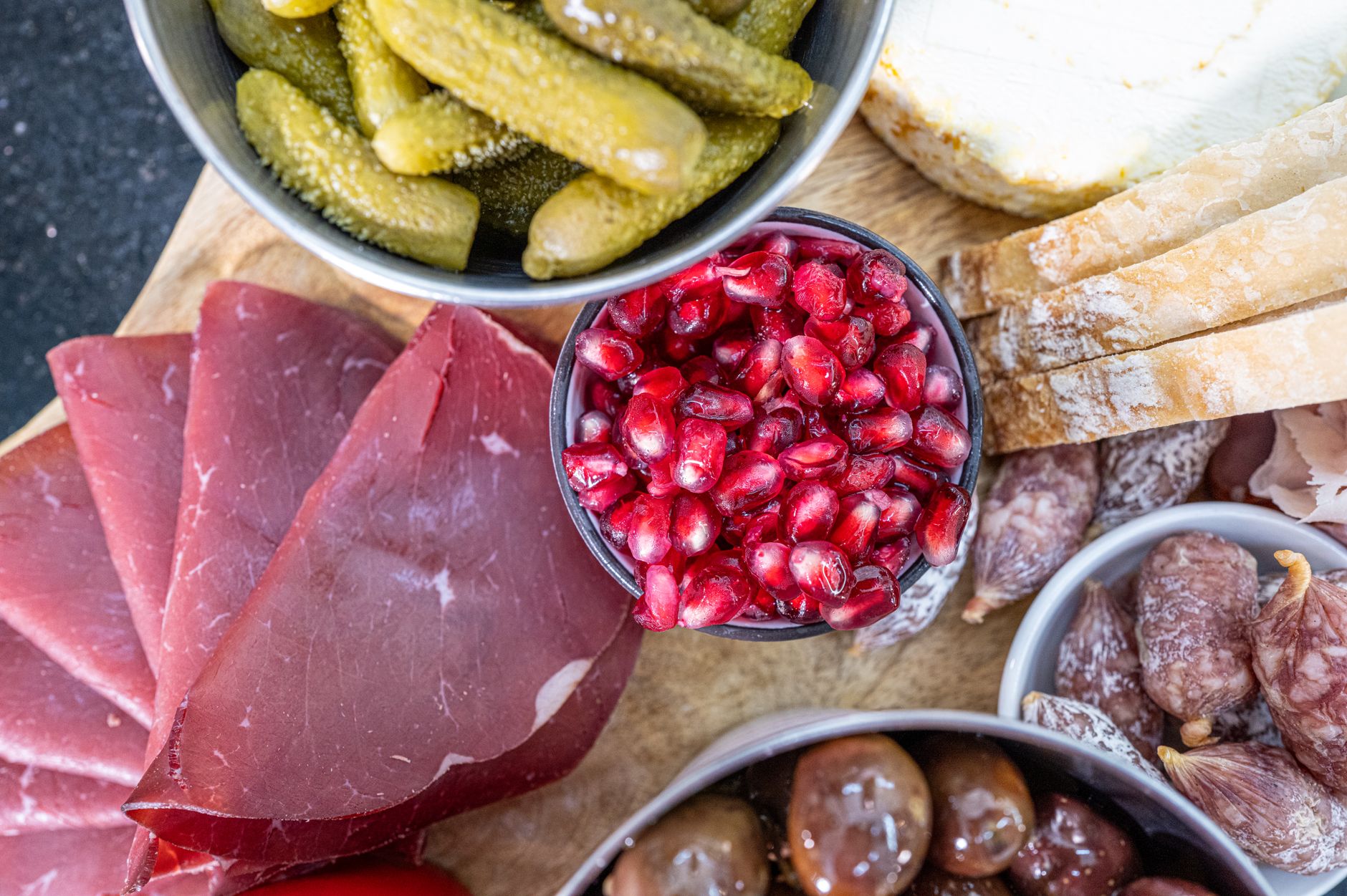
Furthermore, menu engineers are analyzing how to optimize kitchen inventory to accommodate this grazing mentality without increasing food waste. High-volume ingredients that can be cross-utilized across multiple small plates are becoming essential assets for menu developers. By utilizing versatile base components like artisanal spreads, cured meats, pickled vegetables, and specialized breads, kitchens can offer the illusion of endless customization while maintaining tight control over raw food costs and inventory turnover.
RESHAPING THE DRINKS AND DESSERT EXPERIENCE
Beverage programs are experiencing a parallel transformation as a result of the snack-centric dining movement. Guests who opt for lighter, highly varied food options tend to pair their meals with premium, aesthetically pleasing beverages. High-margin cocktails, low-alcohol aperitifs, and complex non-alcoholic mocktails fit naturally into the casual, social atmosphere that girl dinner represents. Operators report that higher beverage sales frequently compensate for lower food check averages when guests extend their stay over small bites.
Dessert consumption is similarly being reframed through the lens of casual grazing. Rather than committing to heavy, single-portion desserts at the conclusion of a meal, diners are showing a marked preference for bite-sized sweet elements ordered alongside savory plates. Restaurants that offer flight-style dessert samplers or small pastry items integrated directly into the main menu are seeing higher attach rates compared to those relying on traditional post-meal dessert trays.
Marketing departments across the hospitality sector are actively repositioning their brand communications to align with snack culture. Social media campaigns increasingly highlight curated board offerings, grazing platters, and mix-and-match happy hour items. By explicitly leaning into the language of casual assembly, brands aim to remove the perceived formal pressure of traditional sit-down meals, positioning their dining rooms as welcoming spaces for casual social gatherings and late-night light bites.
Some enterprise chains have gone so far as to create dedicated menu sections that mirror the viral trend directly. Bundled small-plate combinations, customizable snack boards, and discounted app-and-drink pairings are designed to give consumers the variety they desire while guaranteeing a baseline minimum check size for the house. This strategic packaging allows operators to maintain predictable margins while still offering guests the sense of playful autonomy they seek when dining out.
For the average consumer, this industry wide pivot means far greater flexibility when visiting your favorite local dining spots. You will likely notice menus feature expanded appetizer sections, more robust side-dish selections, and dedicated grazing platters designed specifically for sharing. The traditional social friction of visiting a sit-down restaurant just to order a few small items is rapidly disappearing as operators actively redesign their service models to accommodate snack-focused diners.
However, consumers should pay close attention to the cumulative cost of building a meal out of small plates. While individual appetizers and side dishes carry lower price tags than premium entrees, ordering four or five distinct small items can quickly exceed the cost of a standard main course. Restaurant operators utilize small-plate pricing strategies to protect their margins, meaning that your casual grazing meal might carry a higher final bill than anticipated if you do not track item totals carefully.
Sources and methodology
Reported from the public datasets below.
More from the Foodie Pundit Newsroom
- Papa Johns Accelerates Digital Transformation to Drive Long Term Revenue Growth
- Fast Casual Restaurants Outpace Industry Competitors As Consumer Dining Habits Shift
- Papa Johns Accelerates Digital Modernization Strategy to Drive Enterprise Growth
- Independent Restaurants Face Ongoing Labor Shortage As Payroll Costs Mount
- How Social Media Trends Are Rewriting Culinary Economics and Upending Traditional Dining Authority