The Science and Economics Behind the Rise of Miso-Glazed Seafood
Fermented soy paste elevates weeknight seafood prep by delivering intense flavor with minimal kitchen labor.
By Foodie Pundit Newsroom - Published - Section: Restaurants
Key points
- Miso paste provides an economical way to deliver complex umami flavors to weeknight meals.
- Retail grocery chains are expanding access to traditional Japanese pantry staples across primary aisles.
- High-heat broiling creates rapid caramelization through the Maillard reaction in under fifteen minutes.
- Pre-marinated seafood options continue to drive growth in the value-added grocery sector.
The home cooking sector is undergoing a subtle structural shift as consumers balance rising grocery costs with a desire for restaurant-grade meals at home. Recent reporting by The Sun highlights how traditional quick-prep protein dishes are being reimagined through the strategic use of high-impact Umami ingredients. Fermented soy pastes, historically relegated to specialty Japanese cuisine categories, have emerged as a prime example of culinary cross-pollination in mainstream retail food channels.
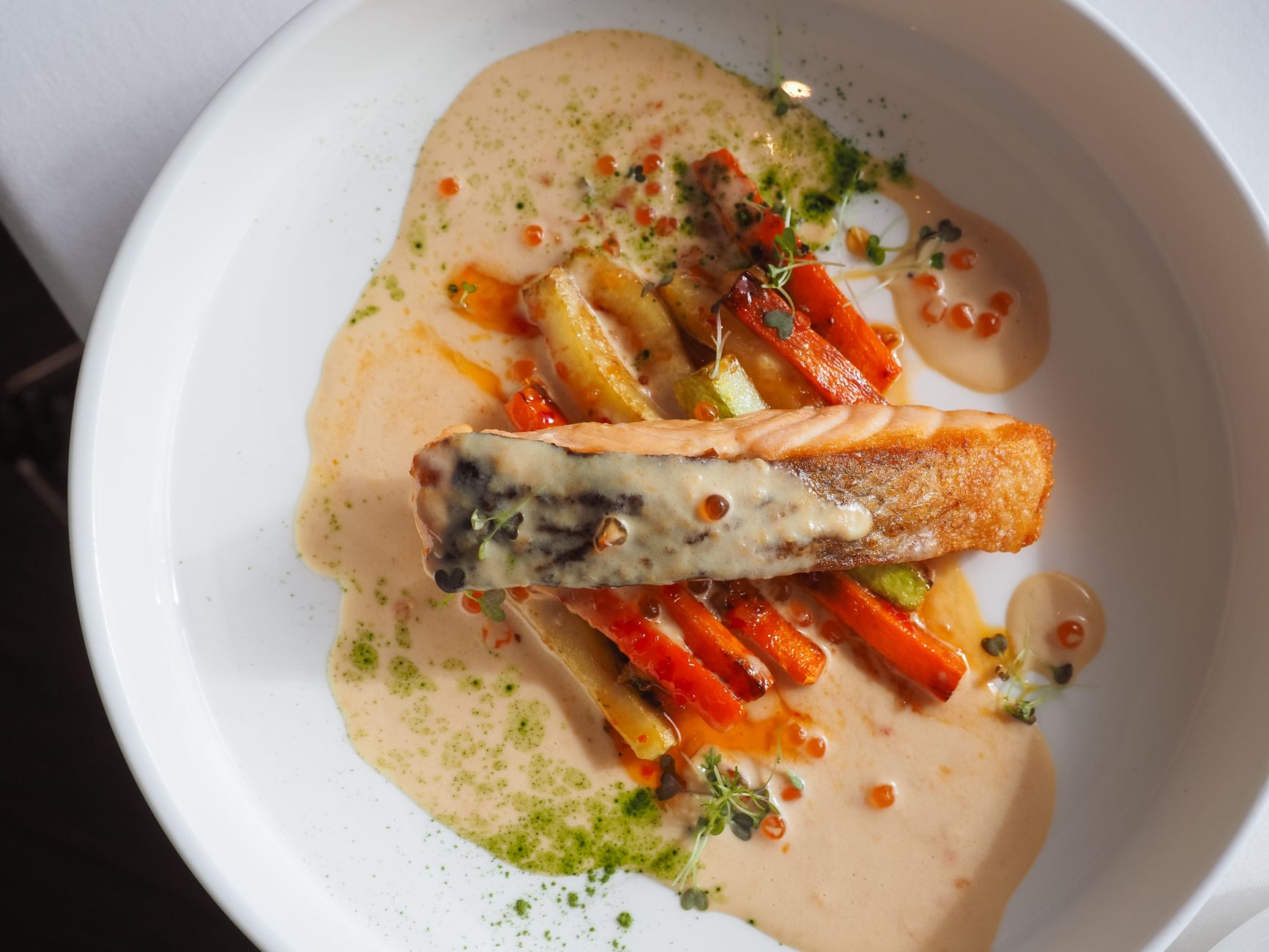
Miso salmon, a long-standing staple of casual dining and upscale izakaya menus, represents a intersection of convenience and perceived premium quality. For time-strapped households, the dish offers a high margin of yield relative to active preparation time. By examining the underlying retail mechanics and culinary science behind miso-glazed seafood, market analysts can better understand current shifting consumer preferences in the perimeter aisle of modern supermarkets.
The mechanics of a miso glaze rely on a simple balance of sugar, acid, and fermented protein paste. When applied to high-fat seafood like Atlantic or king salmon, white or red miso creates a protective barrier that seals in moisture during high-heat cooking applications like broiling or pan-searing. The high sugar content naturally present in traditional sweet miso, or added via mirin and honey, undergoes rapid caramelization under direct heat elements.
This caramelization process, known chemically as the Maillard reaction, generates complex volatile aromatic compounds in a fraction of the time required for traditional braising or slow-roasting techniques. Consumers achieve a deep savory profile within ten to twelve minutes of total cooking time. This efficiency makes miso-based glazes an attractive proposition for home cooks seeking maximal flavor extraction with minimal labor input.
Supermarket procurement strategies have adjusted rapidly to accommodate the rising demand for fermented asian pantry staples. Where red and white miso pastes were once strictly confined to international specialty aisles or ethnic grocers, primary retail chains now place these products alongside mainstream condiments and broths. This shift in physical placement has significantly lowered the trial barrier for average consumers experimenting with global flavor profiles.
Seafood counters are similarly capitalizing on this trend by offering pre-marinated miso salmon portions in ready-to-cook packaging. While these value-added protein offerings carry higher price points per pound, retail sales data indicates that consumers are willing to pay a premium for pre-portioned, pre-seasoned convenience. The growth of value-added seafood reflects a broader market trend toward accessible luxury within the home kitchen environment.
From an economic perspective, miso salmon offers a compelling cost-to-flavor ratio when executed at home compared to restaurant dining equivalents. Salmon remains one of the more expensive retail proteins per pound, but its high nutrient density and rich fat profile mean smaller portion sizes are typically required to achieve satiety. A single tub of miso paste, which retails for a modest price, provides enough seasoning capacity for dozens of meals, keeping the incremental cost per serving very low.
Nutritiously, the combination of rich omega-3 fatty acids from the fish and probiotics from the fermented soy paste aligns closely with health-conscious eating patterns like the Mediterranean and Pacific Rim diets. Fermentation breaks down soy proteins into free amino acids, making the minerals and nutrients within the paste more bioavailable while delivering intense savory notes without relying on excessive added sodium or heavy saturated animal fats.
Achieving optimal results with miso glazes requires a basic understanding of heat management to prevent scorching. White miso, or shiro miso, features a milder and sweeter flavor profile that pairs exceptionally well with delicate seafood without overpowering the natural taste of the fish. Red miso, which undergoes a longer fermentation process, carries a bolder and saltier signature that works better with beef, pork, or heartier root vegetables.
Cooking methods generally favor broiling or air frying, both of which deliver intense top-down radiant heat to crisp the outer glaze while keeping the interior moist. A standard ratio typically combines equal parts miso paste, mirin or rice vinegar, and a touch of neutral oil or sweetener. Applying the glaze during the final minutes of cooking prevents the sugars from burning while ensuring a rich, golden-brown finish across the protein surface.
Integrating miso salmon into your weekly meal rotation allows you to replicate high-end restaurant flavors at a fraction of the dining-out cost. Keeping a tub of white miso in your refrigerator provides an instant flavor enhancer that stays fresh for months due to its natural salt content and fermentation. You can easily elevate standard weeknight seafood by spending less than five minutes preparing a simple glaze before cooking.
For maximum efficiency, purchase fresh salmon fillets in bulk when on sale and portion them into individual freezer bags with the marinade already added. The sugars and acids in the glaze will penetrate the fish as it thaws, delivering a fully seasoned, high-protein main dish that cooks in under fifteen minutes. This simple pantry strategy bridges the gap between fast weeknight convenience and premium culinary satisfaction.
Sources and methodology
Reported from the public datasets below.
More from the Foodie Pundit Newsroom
- Ready to Drink Cocktails Reshape Retail Aisles and Restaurant Operations
- FDA Strengthens Food Allergen Rules to Streamline Packaging and Supply Chain Safety
- Sober Curious Craze Fuels High-Tech Revolution in Non-Alcoholic Craft Beer
- Ready To Drink Cocktails Secure Permanent Hold On Beverage Market As Convenience Wins
- Grocery Merger Battle Heats Up As Regulators and Supermarket Giants Face Off In Landmark Trial