The Science of Lamination: Professional Bakers Detail Technical Keys to Perfect Croissants
Professional pastry chefs reveal the precise mechanics, temperature controls, and dough balance required to produce ideal laminated pastries.
By Foodie Pundit Newsroom - Published - Section: Desserts Snacks
Key points
- Precise temperature management prevents the butter block from either fracturing or melting into the dough during the folding process.
- Flour selection requires a specific protein balance between 11.5 percent and 12.5 percent to construct a strong, expandable gluten matrix.
- Cold fermentation for 12 to 24 hours improves flavor complexity while relaxing gluten structure for optimal dough handling.
- Proofing temperatures must remain below 28 degrees Celsius to avoid prematurely melting the laminated butter layers.
The commercial bakery sector has experienced a profound shift toward artisanal viennoiserie over the past decade. What was once considered the exclusive domain of high-end French patisseries has expanded into neighborhood retail bakeries, coffee shops, and home kitchens globally. Driving this expansion is a growing consumer preference for premium butter pastries and complex, long-fermentation baked goods. Despite high consumer demand, producing high quality croissants remains one of the most technical challenges in the culinary industry.
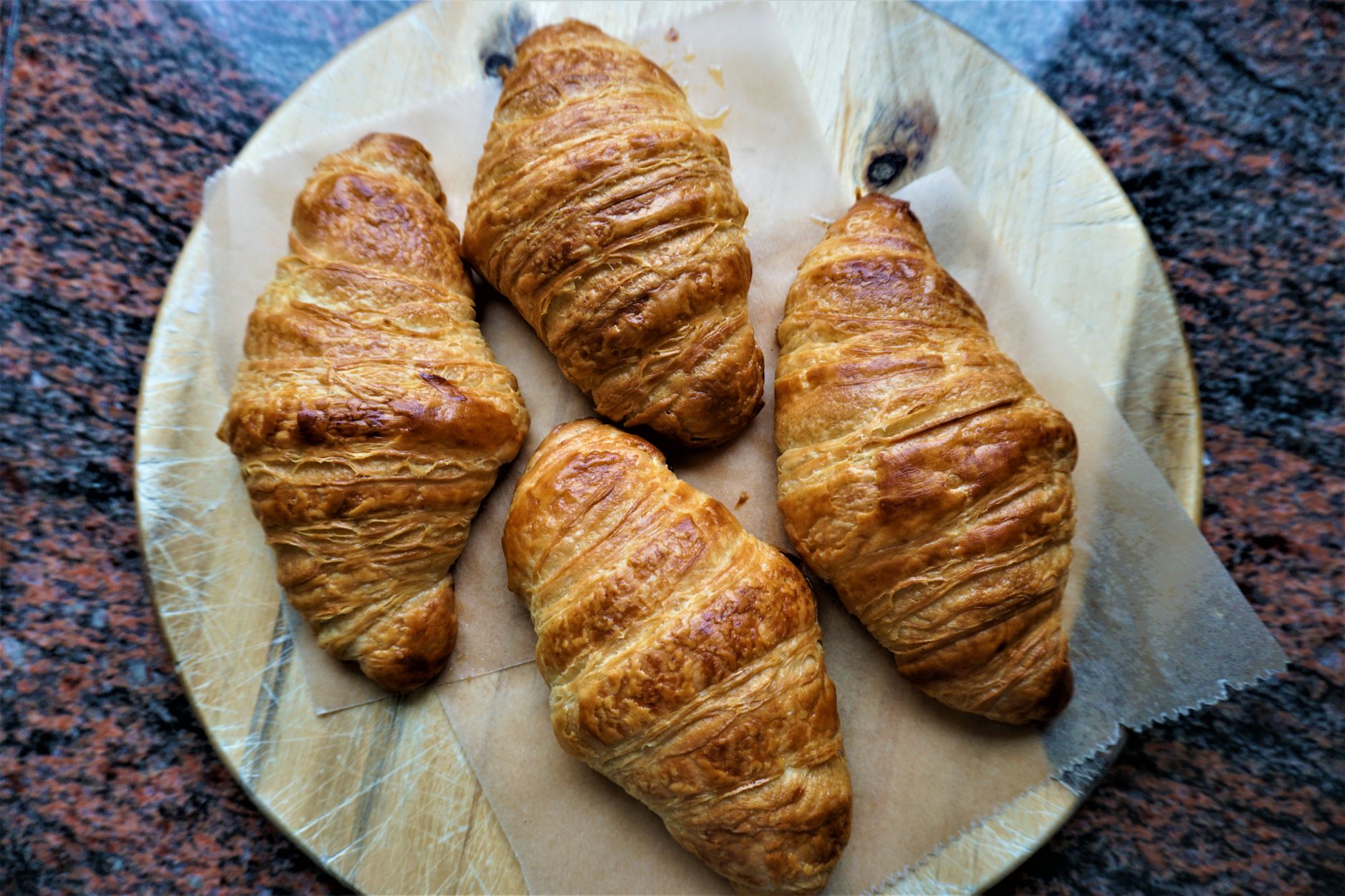
Recent reporting by the Evening Standard highlights how professional bakers are demystifying the intricate chemistry and physical mechanics behind successful croissant production. The fundamental structure of a croissant relies on a laminated dough process, where layers of butter and flour dough are repeatedly folded and rolled. Achieving the signature honeycomb cross-section requires strict temperature management, precise flour selection, and disciplined mechanical folding techniques. Understanding these variables allows both professional operators and ambitious home bakers to improve yields and maintain structural integrity.
The foundation of any superior laminated dough begins with the choice of flour, which dictates the elasticity and extensibility of the dough block. Professional bakers generally favor a strong bread flour with a protein content ranging between 11.5 percent and 12.5 percent. This protein level provides sufficient gluten strength to trap steam and air during expansion, preventing the delicate layers from collapsing under their own weight. High protein flour also allows the dough to withstand the mechanical stress of multiple rolling passes without tearing.
However, balance is critical when configuring the flour blend for laminating. Excessive protein content can render the dough overly elastic, causing it to snap back during shaping and resulting in dense, tough pastries. To mitigate this, standard industry practice incorporates a small percentage of lower protein pastry flour or utilizes a prolonged resting period to relax the gluten network.
Hydration levels must be precisely calculated, typically staying between 48 percent and 52 percent of the total flour weight. Proper hydration ensures the dough remains pliable enough to roll smoothly alongside the solid butter block.
Temperature control represents the single most critical factor in the lamination process. The goal of lamination is to create alternating, discrete sheets of dough and fat without allowing the two components to merge. Bakers utilize high fat European style butter, which contains at least 82 percent butterfat and a lower water content compared to standard table butter. The lower moisture level prevents excess steam creation from disrupting the delicate dough sheets, while the higher fat content offers superior pliability at cooler temperatures.
The ideal working temperature for the butter block during folding rests between 12 degrees and 15 degrees Celsius. If the butter becomes too cold, it turns brittle and fractures inside the dough, creating uneven pockets and ruining the layered structure. Conversely, if the butter becomes too warm, it melts into the flour matrix, effectively transforming the laminated dough into a standard brioche mixture. Professional kitchens rely on refrigerated marble work surfaces and frequent resting periods in climate controlled chillers to keep the fat layer plastic and distinct throughout the folding cycle.
Beyond mechanical assembly, controlling the biological timeline of the dough determines the final flavor profile and volume. Most artisan bakeries employ a cold, slow fermentation process lasting anywhere from 12 to 24 hours. This extended cold rest allows yeast to slowly metabolize sugars, generating complex organic acids that produce a rich, slightly tangy flavor profile. Cold fermentation also relaxes the gluten strands naturally, making the final rolling step significantly easier and preventing shrinkage during shaping.
Proofing the shaped croissants requires equal precision regarding atmospheric humidity and temperature. The optimal proofing chamber temperature ranges from 24 degrees to 26 degrees Celsius, with relative humidity maintained near 75 percent. It is vital that the proofing environment does not exceed the melting point of the butter block, which typically begins to soften around 28 degrees Celsius. If the proofing cabinet is too hot, butter will leak out onto the baking pan before the yeast creates structure, resulting in greasy, flat pastries lacking internal volume.
The final transformation occurs within the oven, where heat transfers rapidly through the thin, alternating layers of dough and fat. As the temperature rises, the water contained within the dough layers expands into steam, lifting the adjacent gluten sheets upward. Simultaneously, the butter layers melt, leaving hollow voids where the fat once sat, while the surrounding dough bakes into a crisp, structural shell. This rapid mechanical expansion during the initial minutes of baking creates the classic open honeycomb interior texture.
Proper oven settings are essential to lock in this air structure before the butter drains away. Convection ovens are traditionally set to an initial high blast, usually around 200 degrees Celsius, to ignite the rapid expansion of steam. Once the initial oven spring is achieved, bakers lower the heat to approximately 165 degrees Celsius to bake the internal structure thoroughly without scorching the exterior egg wash. Achieving a deep golden color indicates complete starch gelatinization and sugar caramelization, ensuring a crisp outer crust that retains its structural integrity after cooling.
For retail bakery operators and home enthusiasts alike, mastering laminated dough translates directly to enhanced product quality and reduced ingredient waste. High-end pastries command significant retail margins, but high defect rates due to butter leakage or poor volume can rapidly erode operational profitability. By applying precise temperature controls and disciplined flour management, bakers can achieve consistent production standards without relying on expensive industrial processing equipment.
For consumers, understanding these technical factors provides valuable insight into the pricing and value of artisanal baked goods. The labor intensity, ingredient specifications, and strict climate controls required to produce a classic French croissant explain why premium bakeries price these items higher than mass-produced alternatives. As consumer literacy around baking techniques grows, market demand for authentic, high quality laminated pastries is expected to remain exceptionally robust.
More from the Foodie Pundit Newsroom
- As Summer Heat Arrives, No-Cook Snack Dining Resurges Across Household and Grocery Markets
- McDonalds Overhauls Iconic Big Mac Cooking Process to Elevate Menu Quality
- Costco Entrance Scanner Crackdown Sparks Shopper Frustration Across North America
- Viral Subway Sandwich Rollout Highlights Growing Tension Between Fast Food Marketing and Store Operations
- McDonald's Upgrades Signature Big Mac Preparation to Boost Fast-Food Quality Standards