The Soil Revolution: Inside the Movement to Rebuild Farmland for a More Resilient Future
A growing number of farmers are turning to regenerative agriculture, a suite of soil-focused practices designed to combat climate change, boost profitability,
By Foodie Pundit Newsroom - Published - Updated - Section: Sustainability
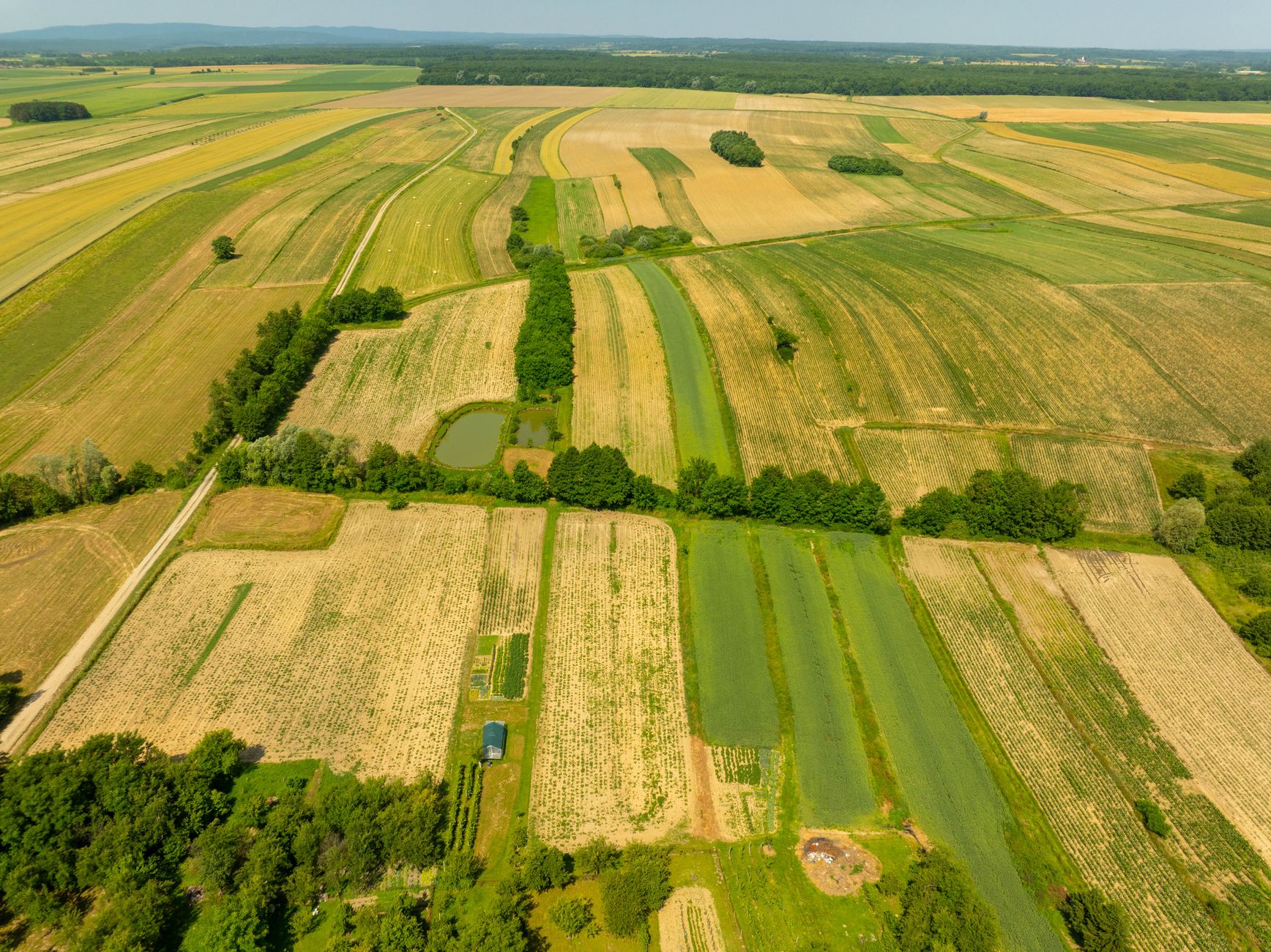
Key points
- Regenerative agriculture focuses on core principles like minimizing soil disturbance, maintaining soil cover, and increasing biodiversity to rebuild soil health.
- By increasing soil organic matter, regenerative practices enhance water retention, improve nutrient cycling, and can sequester atmospheric carbon, making farms more resilient to climate change.
- While there are initial transition costs, regenerative farming can lead to long-term profitability by significantly reducing expenditures on synthetic fertilizers, pesticides, and irrigation.
- Major barriers to adoption include existing agricultural policies, lack of technical knowledge, and the need for new supply chains that reward regenerative outcomes.
- Consumer demand for sustainably produced food and emerging carbon markets are creating new economic incentives for farmers to adopt these practices.
Beneath the vast agricultural landscapes that feed the world, a silent crisis has been unfolding. Decades of conventional farming practices, while delivering immense productivity, have come at a cost. Intensive tillage, monoculture cropping, and heavy reliance on synthetic fertilizers and pesticides have degraded one of our most vital resources: soil.
The United Nations estimates that a third of the world's soil is already moderately to highly degraded, and we are losing topsoil at a rate that far outpaces its natural formation. This degradation threatens not just farm productivity but also ecosystem stability, water quality, and the global food supply.
This slow-motion catastrophe has spurred a quiet but powerful counter-movement. A diverse coalition of farmers, scientists, and entrepreneurs is championing a different approach, one that seeks not just to sustain but to actively rebuild and improve the land. Known as regenerative agriculture, this philosophy represents a fundamental shift in how we view the relationship between farming and nature. It treats the farm not as a factory, but as a complex, living ecosystem, with healthy soil at its heart.
This movement is gaining momentum, moving from the fringes of the organic sector into the mainstream of conventional agriculture. It is driven by a convergence of factors: the growing economic pressures on farmers, the increasing frequency of extreme weather events, and a rising consumer demand for food that is not only healthy but also produced in an environmentally responsible way. The original EurekAlert!
article hinted at this shift, and the reality on the ground confirms that this is more than just a fleeting trend. It is a paradigm shift with profound implications for the future of food.
Regenerative agriculture is not a single, rigid system but rather a flexible, principles-based approach. It draws on a suite of practices, many of which are rooted in pre-industrial farming traditions, that are adapted to the specific conditions of each farm. The core principles, however, are universal and aimed at restoring the carbon cycle and soil biology.
First and foremost is the principle of minimizing soil disturbance. Conventional agriculture often relies on intensive tillage, or plowing, which inverts the soil to prepare a seedbed and control weeds. While effective in the short term, tillage breaks down soil structure, accelerates the decomposition of organic matter, and releases stored carbon into the atmosphere as carbon dioxide.
Regenerative farmers, in contrast, adopt no-till or reduced-tillage methods, planting seeds directly into the residue of the previous crop. This practice keeps the soil intact, protecting it from erosion and allowing the intricate networks of fungi and microbes to thrive.
Second is the principle of keeping the soil covered. Bare soil is vulnerable soil, susceptible to being washed away by rain or blown away by wind. Regenerative farmers use cover crops, such as clover, vetch, and rye, which are planted not for harvest but to protect and enrich the soil between cash crop seasons.
These cover crops act as a living mulch, suppressing weeds, preventing erosion, and providing a source of organic matter that feeds soil life. Their roots create channels in the soil, improving water infiltration and aeration.
Third, regenerative systems emphasize diversity. In contrast to the monocultures that dominate conventional farming, regenerative farmers cultivate a wide variety of plants, often integrating livestock into their operations. Crop rotations break pest and disease cycles, while polycultures, the practice of growing multiple crops together, can increase overall yield and resilience.
Integrating livestock, when managed properly through practices like rotational grazing, adds another layer of synergy. Animal manure provides a natural source of fertilizer, and their grazing can stimulate plant growth and trample organic matter into the soil.
At the heart of the regenerative promise is the science of soil organic matter. Soil organic matter, the fraction of the soil composed of carbon-based compounds from living and dead organisms, is the cornerstone of soil health. It is what gives topsoil its dark, rich color and crumbly texture.
It acts like a sponge, enabling the soil to absorb and hold water, making farms more resilient to both drought and heavy rainfall. A 1 percent increase in soil organic matter can allow the soil to hold an additional 20,000 gallons of water per acre.
Soil organic matter is also a critical reservoir of nutrients. It binds to essential plant nutrients like nitrogen, phosphorus, and sulfur, preventing them from leaching out of the soil and polluting waterways. As microorganisms decompose the organic matter, these nutrients are slowly released in a plant-available form, reducing the need for synthetic fertilizers.
Furthermore, healthy soil is teeming with life. A single teaspoon can contain billions of microbes, including bacteria, fungi, and protozoa, which form a complex food web that is essential for nutrient cycling and disease suppression.
Conventional farming practices have often depleted soil organic matter. Tillage introduces oxygen into the soil, which stimulates microbes to rapidly consume organic matter, releasing carbon dioxide. Synthetic nitrogen fertilizers can also accelerate this process.
Regenerative practices, on the other hand, are designed to reverse this trend. By minimizing tillage, keeping the soil covered, and increasing plant diversity, farmers can create conditions that favor the accumulation of soil organic matter. Plants, through photosynthesis, draw carbon dioxide from the atmosphere and convert it into carbon-based compounds.
Some of this carbon is used to build the plant's own tissues, and some is exuded through the roots to feed soil microbes. In exchange, these microbes help the plant access water and nutrients. When the plant dies, its residue is incorporated into the soil, adding to the store of organic matter.
This process, known as soil carbon sequestration, is a key reason why regenerative agriculture is seen as a powerful tool for climate change mitigation.
While the environmental benefits of regenerative agriculture are compelling, its adoption by farmers is ultimately driven by economics. For many, the transition is a matter of survival. The rising cost of inputs like fertilizer, fuel, and pesticides is squeezing profit margins, while soil degradation is leading to stagnant or declining yields. Regenerative practices offer a path to a more resilient and profitable business model.
In the short term, the transition to regenerative agriculture can involve costs and risks. Farmers may need to invest in new equipment, such as no-till planters, and there can be a learning curve associated with mastering new techniques. Yields may dip in the first few years as the soil ecosystem adjusts. However, studies and farmer testimonials increasingly show that these initial challenges are often outweighed by long-term benefits.
One of the most significant economic advantages is the reduction in input costs. By improving soil health and nutrient cycling, regenerative farmers can significantly reduce their reliance on synthetic fertilizers. Cover crops and crop rotations help to suppress weeds, reducing the need for herbicides.
Enhanced biodiversity can attract beneficial insects that prey on pests, reducing the need for insecticides. These savings can be substantial. A 2020 report by the Soil Health Institute, which analyzed data from 100 farms across the United States, found that farmer net income increased by an average of $52 per acre for corn and $45 per acre for soybeans after adopting soil health-improving practices.
Moreover, by improving water infiltration and storage, regenerative pr
We keep our own count of what this runs on a menu. Across 18,982 menu readings we logged in 387 cities, the middle price for a restaurant plate sits at $9.00. Those are our readings, off menus we watch, and they are the yardstick we measure this against.
Sources and methodology
Reported from the public datasets below.
More from the Foodie Pundit Newsroom
- Wholesale Food Prices Jump Again as Grocery Inflation Refuses to Ease
- Top Shelf Shift: High-End Wine and Spirits Fuel Restaurant Revenue Growth
- Michelin Star Talent Peter Tempelhoff Redefines Destination Dining With Launch Of The Beyond
- The New Digital Harvest: How Agri-Tech Is Reshaping Global Food Systems
- The New Economics of Elite Gastronomy: How Fine Dining Is Redefining Modern Luxury