THE VIRAL RAMEN HACK TRANSFORMING INSTANT NOODLES
A social media trend is elevating the humble instant ramen into a surprisingly sophisticated dish, and the economic implications for restaurants and CPG brands
By Foodie Pundit Newsroom - Published - Updated - Section: Grocery Cpg
Key points
- Viral food trends are creating new "convenience-plus" home cooking habits, blending speed with gourmet techniques.
- The ramen hack is boosting sales of adjacent CPG products like Kewpie mayonnaise and premium soy sauce.
- The trend is raising consumer expectations, forcing restaurants to improve quality or offer novel, customizable experiences.
- The hack is a form of culinary arbitrage, using simple food science to create a high-value meal from low-cost ingredients.
- Social media acts as a powerful accelerant, turning niche recipes into global phenomena that impact CPG and restaurant markets.
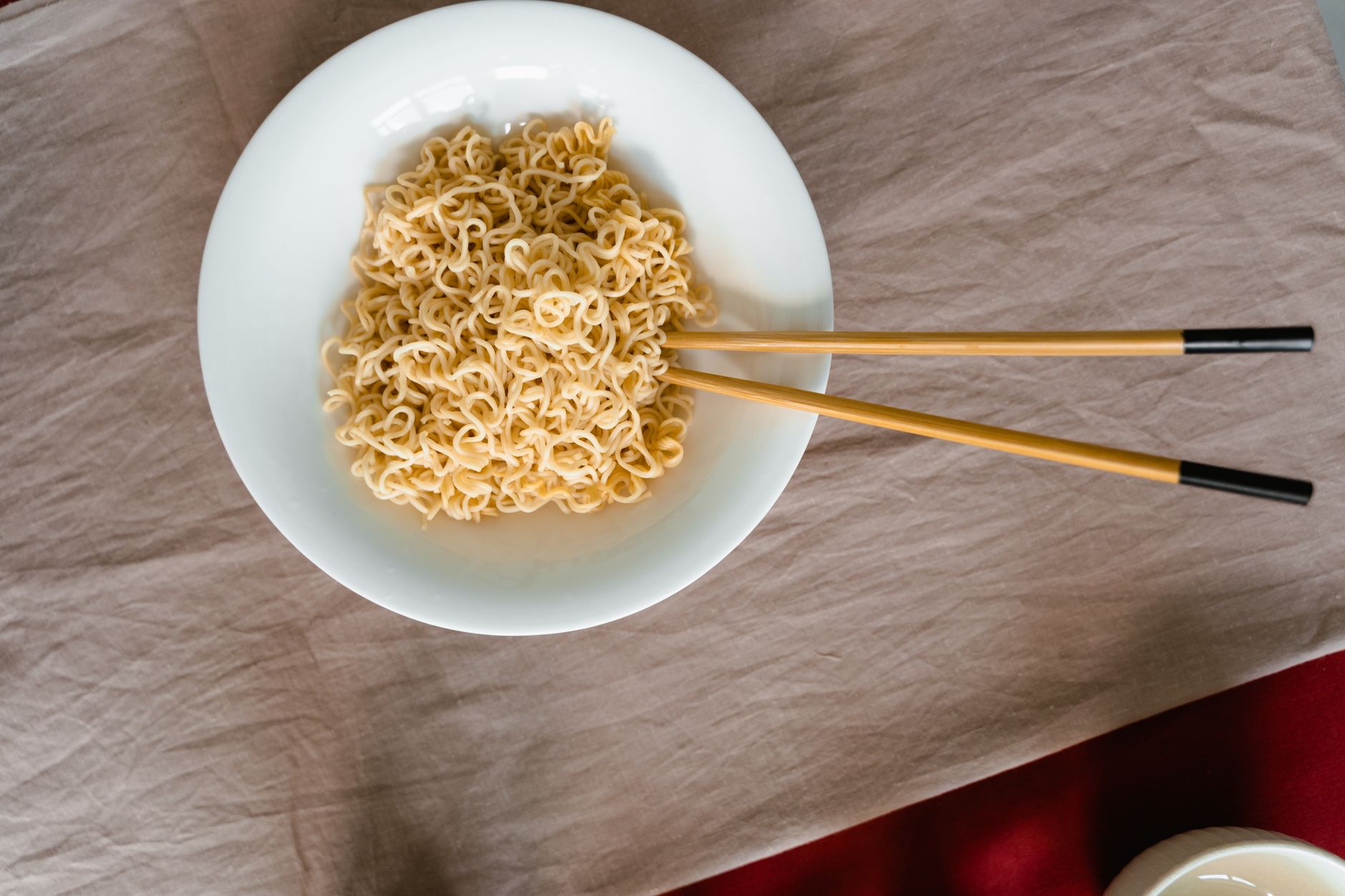
Instant ramen, long the staple of college dorm rooms and late-night study sessions, is undergoing a remarkable transformation. A viral cooking trend, originating on the social media platform TikTok and spreading across the internet, is teaching millions how to turn a simple, inexpensive block of noodles into a creamy, savory, and surprisingly complex meal. The hack, elegant in its simplicity, has captured the attention of home cooks and food enthusiasts, signaling a broader shift in consumer behavior toward what industry analysts are calling "convenience-plus" dining: the elevation of simple, accessible foods using clever techniques and readily available ingredients.
At its core, the hack is a lesson in flavor building. It involves ditching the standard seasoning packet that comes with the noodles in favor of a homemade sauce. While variations abound, the foundational recipe calls for a mixture of Kewpie mayonnaise, a raw egg, fresh garlic, and a dash of soy sauce.
The hot, cooked ramen noodles and their cooking water are then poured directly over this mixture, emulsifying the egg and mayonnaise to create a rich, carbonara-like sauce that coats every strand. The result is a dish with layers of flavor and a creamy texture that belies its humble origins.
This trend did not emerge from a vacuum. It is the product of a confluence of cultural and economic forces. The global pandemic forced a significant portion of the population to cook more at home, leading to a surge in culinary experimentation.
Simultaneously, social media platforms like TikTok became powerful engines for food discovery, capable of turning a simple recipe into a global phenomenon overnight. The ramen hack, with its visually appealing preparation and dramatic transformation, was perfectly suited for the short-form video format. Its accessibility, requiring only a few extra ingredients beyond the ramen itself, made it an easy and low-risk experiment for curious cooks.
The instant noodle market is a global behemoth. According to the World Instant Noodles Association, global demand reached over 118 billion servings in 2021, a testament to the product's universal appeal as a fast, affordable, and comforting food source. The market is dominated by a few key players, including Nissin Foods, the inventor of instant ramen, and Nongshim.
These companies have built empires on the back of a highly standardized and cost-effective product. The viral hack, however, introduces a fascinating wrinkle into this established market. It encourages consumers to see the noodle block not as a complete meal kit, but as a blank canvas.
This shift in perception has tangible economic consequences. First, it drives sales of adjacent products. Retailers have reported noticeable increases in sales of ingredients central to the hack, particularly Kewpie mayonnaise.
This Japanese mayonnaise, made with only egg yolks for a richer flavor and custardy texture, was once a specialty item found primarily in Asian markets. Today, it occupies prime shelf space in mainstream supermarkets across North America and Europe. Data from market research firm IRI shows that sales of Japanese-style mayonnaise have increased by over 30 percent year-over-year since the trend gained widespread popularity.
Similarly, sales of garlic, soy sauce, and even premium instant ramen brands have seen a lift, as consumers who have mastered the basic hack begin to experiment with higher-quality ingredients.
For consumer packaged goods (CPG) brands, this trend presents both an opportunity and a threat. The opportunity lies in alignment. Brands that can successfully position their products as essential components of the elevated ramen experience stand to gain significantly.
We are already seeing this happen. Kewpie has leaned into its newfound viral fame, with social media campaigns subtly referencing the ramen trend. Other brands, from soy sauce manufacturers to chili oil producers, are following suit.
The threat, however, is to the traditional instant ramen business model. The hack implicitly suggests that the included seasoning packet is inferior. If consumers increasingly discard the packet in favor of their own sauce creations, the core value proposition of the all-in-one meal kit is diminished.
This could force ramen manufacturers to innovate, perhaps by offering "premium" versions with higher-quality sauce bases or even "DIY" kits that provide the noodles and a selection of base ingredients for customization.
The impact of the ramen hack extends beyond the grocery aisle and into the restaurant industry, particularly the fast-casual and casual dining sectors. On one hand, the trend cultivates a more educated and discerning ramen consumer. People who have experimented with making their own creamy ramen at home are more likely to appreciate the nuance and craft of a professionally prepared bowl. This could drive demand for authentic, high-quality ramen at restaurants, benefiting establishments that specialize in the dish.
Restaurateurs have noted a shift in customer vocabulary and expectations. Diners are now more familiar with terms like "tare" (the sauce base) and "emulsification". They are asking more sophisticated questions about broth composition and noodle texture.
This elevation of consumer knowledge can be a boon for restaurants that pride themselves on quality and authenticity. It allows them to engage with customers on a deeper level and justify premium price points.
On the other hand, the trend also raises the bar for what consumers consider a "good" bowl of ramen, even at the lower end of the market. If a person can make a surprisingly delicious and creamy bowl of noodles at home for a few dollars, they will be less willing to pay ten or fifteen dollars for a mediocre offering at a restaurant. This puts pressure on casual dining establishments and fast-casual chains to improve the quality and flavor of their noodle dishes.
The "good enough" bowl of ramen that might have satisfied a customer a few years ago may no longer pass muster. The home-cooked version, thanks to this viral hack, has become a new and formidable competitor.
Some innovative restaurants are embracing the trend directly. We are seeing a rise in "build your own" ramen concepts, where customers can choose their broth, noodles, and a variety of toppings and sauces. This taps directly into the spirit of customization and experimentation that the TikTok hack champions.
Other establishments are incorporating elements of the trend into their own menu offerings, creating "creamy" or "carbonara-style" ramen specials that cater directly to the tastes of the viral-savvy consumer. This is a savvy move, co-opting the trend rather than competing with it.
What is it about this specific combination of ingredients that works so well? The answer lies in basic food science. The process is a classic emulsion.
An emulsion is a mixture of two or more liquids that are normally immiscible, like oil and water. In this case, the fat comes from the egg yolk and the mayonnaise, while the water comes from the hot noodle cooking water. The vigorous mixing, combined with the lecithin in the egg yolk acting as a natural emulsifier, creates a smooth, stable sauce.
The use of a raw egg and hot liquid is a technique with deep roots in other cuisines. Italian pasta carbonara, for example, is traditionally made by tossing hot pasta with a mixture of raw eggs, Pecorino Romano cheese, and cured pork. The residual heat of the pasta cooks the eggs, creating a creamy sauce without scrambling them.
The TikTok ramen hack is, in essence, a simplified, Japanese-inflected version of this classic Italian technique. This cross-cultural culinary borrowing is a hallmark of modern, internet-driven food trends.
The choice of Kewpie mayonnaise is also critical. Unlike American mayonnaise, which uses whole eggs and vinegar, Kewpie is made with only egg yolks and rice vinegar. This results in a product that is richer, creamier, and has a distinct umami flavor, thanks in part to the inclusion of monosodium glutamate (MSG).
This umami quality is what makes it such a powerful flavor base, complementing the soy sauce and the savory notes of the ramen noodles themselves. The garlic, grated raw into the mixture, adds a pungent, spicy kick that cuts through the richness of the sauce.
The temperature of the noodle water is paramount to the success of the dish. It must be hot enough to cook the raw egg and melt the fats, but not so hot that it causes the egg to curdle and scramble. This is why the instructions typically specify pouring the water in immediately after the noodles have finished cooking. This element of technique, a simple but crucial step, makes the cook feel like they have mastered a secret, elevating the process from simply boiling noodles to performing a bit of culinary magic.
Sources and methodology
Reported from the public datasets below.
More from the Foodie Pundit Newsroom
- Food halls are changing how urban restaurants make money
- Grocery Inflation Cools As Essential Food Prices Hold Steady Across Retail Markets
- How Montreal Food Halls Are Reshaping the Casual Dining Landscape
- Political Claims of Falling Prices Clash With High Baseline Grocery Costs
- Kfc's new crispy twister wrap is all about cutting costs, not corners