Trader Joe's Issues Nationwide Recall for Organic Fresh Basil Due to Salmonella Contamination Risk
Trader Joe's has pulled packaged fresh organic basil from store shelves across multiple states following warnings of potential Salmonella contamination.
By Foodie Pundit Newsroom - Published - Updated - Section: Food Safety
Key points
- Trader Joe's voluntarily recalled two-ounce packages of Infinite Herbs organic basil due to potential Salmonella risk.
- The affected fresh basil was sold across dozens of states between early February and mid-April.
- Salmonella causes fever, abdominal cramps, and diarrhea, posing elevated risks to young children and seniors.
- Consumers should throw away the product or return it to Trader Joe's for a full refund.
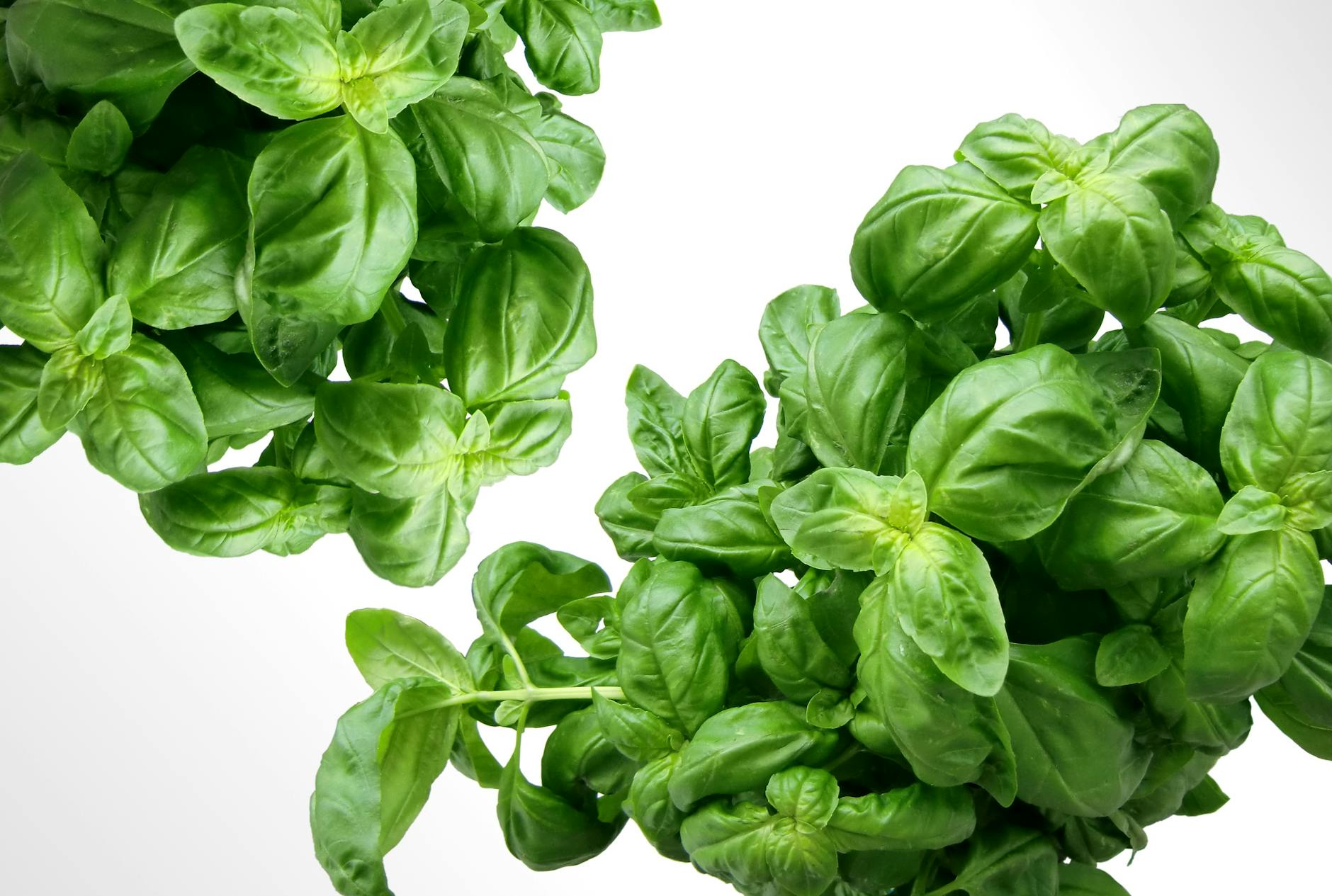
Trader Joe's has issued a voluntary recall for fresh organic basil sold in stores across multiple states following warnings of potential Salmonella contamination. The nationwide grocery chain pulled the packaged herb from store shelves after routine testing indicated the presence of the harmful bacteria. Consumers who recently purchased fresh basil from Trader Joe's locations are being urged to inspect their refrigerators immediately and dispose of any affected packages.
The recall specifically impacts Infinite Herbs brand organic basil packaged in two-ounce clamshell containers. The product was distributed to Trader Joe's retail locations in dozens of states across the country between early February and mid-April. MSN reported that federal health officials alerted the distributor after receiving reports of illnesses linked to the fresh herb. The affected packages can be identified by specific lot codes printed on the plastic containers, though retailers advise throwing away any organic basil purchased during the specified timeframe regardless of visible packaging marks.
Salmonella is a pathogenic bacterium that poses serious health risks when ingested through contaminated food or water. According to health officials monitoring the outbreak, consumption of products tainted with Salmonella can lead to salmonellosis, one of the most common foodborne illnesses in the United States. While many individuals recover without medical intervention, vulnerable populations face heightened risks of severe complications.
Symptoms of Salmonella infection typically manifest between six hours and six days after exposure to the bacteria. Common signs of illness include severe diarrhea, abdominal cramps, fever, nausea, and vomiting. Most healthy adults experience mild to moderate symptoms that resolve within four to seven days; however, young children, the elderly, and individuals with compromised immune systems are at a significantly higher risk of developing severe dehydration or invasive bloodstream infections that require hospitalization.
Fresh leafy herbs like basil present unique challenges for food safety monitoring because they are grown in open fields and frequently consumed raw. Contamination can occur at various stages along the agricultural supply chain, including through exposure to contaminated irrigation water, runoff from livestock facilities, or improper handling during harvest and packaging. Because basil leaves are fragile and typically not cooked before eating, any bacteria present on the surface can easily be ingested by consumers preparing pestos, salads, or garnishes.
The distributor, Infinite Herbs, is cooperating fully with the U.S. Food and Drug Administration and the Centers for Disease Control and Prevention to trace the precise source of the contamination. Supply chain investigations are currently examining farm operations, water sources, and packing facilities to determine how the bacteria entered the distribution network. In the meantime, Trader Joe's has removed all inventory associated with the affected supplier from its store shelves nationwide.
PREVIOUS INCIDENTS AND REGULATORY CONTEXT
This latest recall highlights an ongoing trend of produce-related food safety alerts involving major grocery chains. In recent years, public health agencies have increased surveillance and routine testing of fresh produce items to catch potential pathogens before widespread outbreaks occur. Federal regulations under the Food Safety Modernization Act require growers and distributors to maintain strict preventative controls, but raw agricultural commodities remain inherently vulnerable to environmental contamination.
Retailers like Trader Joe's rely on robust traceability systems to quickly identify and remove potentially unsafe products from circulation. When a recall is initiated, stores immediately lock registers to prevent the sale of affected inventory and post notice signs near customer service desks. Reporting by MSN notes that public health agencies rely heavily on prompt voluntary recalls by retailers to limit consumer exposure during ongoing epidemiological investigations.
If you suspect you have purchased the recalled Infinite Herbs organic basil, public health authorities advise against consuming, cooking, or serving the product. Even if the herb looks fresh, smells normal, and shows no visible signs of spoilage, Salmonella bacteria cannot be detected through sight or smell. The safest course of action is to discard the product immediately in a sealed trash receptacle or return it to any Trader Joe's store for a full refund.
For households that have recently stored the recalled basil, thorough sanitation of kitchen surfaces is strongly recommended. Cross-contamination can occur if the contaminated herb touched countertops, cutting boards, food storage containers, or refrigerator shelves. Consumers should wash all potentially exposed surfaces with warm, soapy water followed by a food-safe sanitizing solution. Washing hands with warm water and soap for at least twenty seconds after handling recalled items is also essential to prevent spreading bacteria to other foods or household surfaces.
This recall serves as an important reminder to stay vigilant about fresh produce safety in your home kitchen. Check your refrigerator immediately for any Infinite Herbs organic basil purchased from Trader Joe's, and discard it safely if found. If you or a family member consumed the product and experienced symptoms of foodborne illness, contact a healthcare professional promptly for medical guidance. Monitoring food safety alerts regularly helps protect your household from preventable foodborne infections while keeping your kitchen safe.
More from the Foodie Pundit Newsroom
- Trader Joe's Recalls Organic Fresh Basil Over Nationwide Salmonella Risk
- Nutrition Coaching Redefines Restaurant Economics as Chronic Disease Mitigation Goes Mainstream
- Forest Service poking around school lunch money committees
- Seasonal Farmers Markets Reopen as Crucial Economic Engines for Regional Food Networks
- Is Florida Florida The Next Big Hub For Turkish Food?