Your grocery bill is up because cattle prices jumped 1.11%
The latest federal data offers insights into shifting commodity costs, explaining why your grocery bills and dining out expenses are changing.
By Foodie Pundit Newsroom - Published - Updated - Section: Agriculture Supply
Key points
- Beef and select packaged goods continue to drive home food spending higher due to tight inventories and input costs.
- Fresh produce prices remain subject to localized weather patterns and elevated transport expenses.
- Dining out costs are rising faster than grocery prices as restaurants absorb higher labor and operational overhead.
Food shoppers across North America continue to encounter elevated totals at the register, reflecting a complex mix of agricultural labor expenses, energy costs, and shifting climate patterns. The latest federal data offers a granular view of where commodity prices are heading, with significant implications for both retail food prices and dining out. While the overall rate of price increases has tempered compared to peak inflation periods, specific categories continue to present notable challenges.
For instance, Wheat (SRW) futures have seen a substantial increase, now trading at $6.75 per bushel, up from $6.09 just a month prior, representing a 10.84% jump. Conversely, Soybean futures have dipped slightly to $11.84 per bushel, a 3.12% decrease over the past month. Understanding these underlying mechanics allows consumers and food industry analysts to anticipate seasonal budget shifts.
Agricultural economists track two primary indices to gauge food cost trends: food consumed at home, commonly known as grocery store purchases, and food consumed away from home, which encompasses restaurant dining and food service venues. The latest data indicates that while inflation for food away from home remains somewhat sticky, which some analysts attribute to service industry wage growth, food at home prices are exhibiting divergent trends across different food categories. Key commodities like Live Cattle are currently priced at $1.82 per pound, up 1.11% in a month, suggesting potential increases for beef products.
Similarly, Coffee futures, now at $2.26 per pound, show a remarkable 12.33% increase over the last month, pointing to higher costs for your morning brew. These movements highlight how certain staples face persistent upward price pressure, potentially driven by localized production bottlenecks and trade dynamics, even as others find stability.
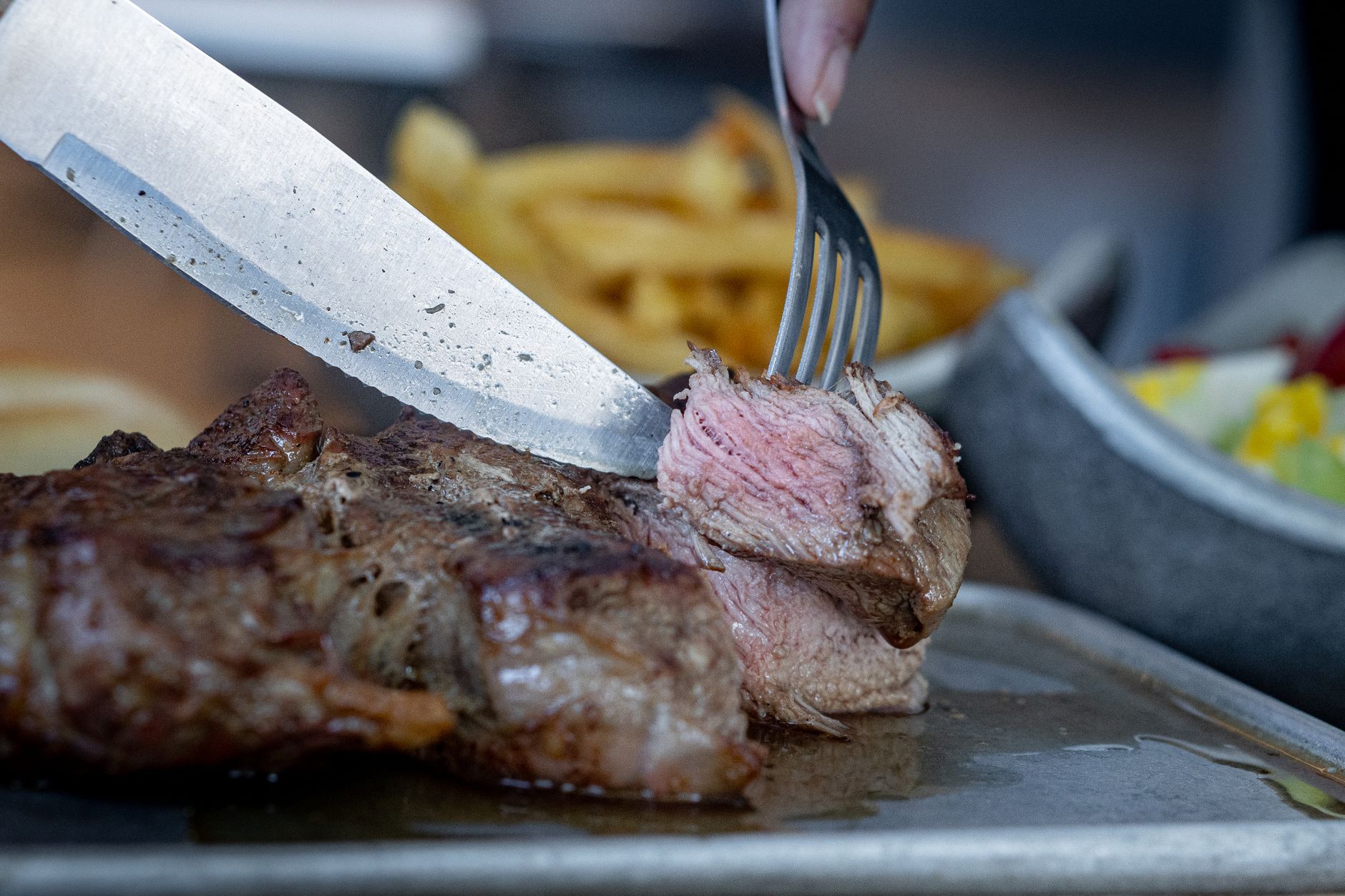
Protein categories represent one of the largest drivers of overall grocery expenditure, and current trends show varied trajectories across different animal products. Beef and veal prices have experienced sustained upward momentum as cattle inventories remain near historical lows across major producing states. Prolonged drought conditions in past seasons reportedly forced ranchers to reduce herd sizes, a structural shift that requires multiple years to rebuild. Consequently, retail cuts ranging from ground beef to premium steaks continue to command high price points at major supermarket chains.
Conversely, poultry and egg markets have displayed distinct volatility following past disruptions related to highly pathogenic avian influenza. While flock repopulation efforts helped restore commercial egg supplies and cool retail costs during preceding quarters, ongoing monitoring remains critical to prevent sudden supply contractions. Broiler chicken production has maintained a relatively stable pace, offering consumers a somewhat predictable alternative to elevated beef prices. Dairy products have similarly shown moderate fluctuations, with wholesale milk and cheese prices remaining balanced by consistent domestic processing capacity and steady international trade flows.
Fresh fruits and vegetables remain uniquely vulnerable to short term weather disruptions, transport costs, and regional labor availability. The USDA Economic Research Service notes that fresh fruit pricing has reflected weather induced yield variations in major growing regions across California, Florida, and key international trade partners. Drought, unseasonal rainfall, and late season freezes have periodically constrained the output of citrus, berries, and stone fruits, leading to localized price spikes at retail distribution centers.
Processed fruits and vegetables, including canned and frozen varieties, have absorbed cumulative packaging and transportation overhead. While these shelf stable items historically offered a hedge against fresh produce volatility, elevated manufacturing and aluminum costs have elevated baseline retail pricing. Meanwhile, cereal and bakery products continue to reflect input cost adjustments from global grain market fluctuations. Although farm gate prices for wheat and corn have retreated from historical highs, downstream processing, baking, and logistics expenses keep retail bread and cereal prices relatively firm.
Fats and oils constitute a critical input for both home cooking and commercial food manufacturing, making their pricing trends a major indicator for broader packaged food inflation. Global supplies of vegetable oils, including soybean, canola, and palm oil, have faced periodic tightness, which some experts link to biofuel mandates, geopolitical trade shifts, and weather impacts in primary exporting nations. Higher oil prices reportedly cascade into processed items such as salad dressings, snack foods, and prepared frozen meals, maintaining elevated shelf prices across center store categories.
Confectionery goods and non alcoholic beverages have also seen distinct pricing patterns. Cocoa prices reached historic highs in global commodity exchanges, with analysts citing severe crop shortages in West Africa as a contributing factor, directly influencing the retail cost of chocolate products and baking cocoa. Similarly, sugar and sweetener prices have remained firm, contributing to higher production costs for carbonated soft drinks, juices, and packaged desserts. These broad commodity movements demonstrate how international farming conditions can influence local grocery register totals.
The cost of dining out continues to increase at a pace slightly above grocery store inflation, reflecting the heavy influence of operational labor and overhead expenses. Food service operators face persistent pressure from minimum wage adjustments, commercial real estate leases, and utility costs. To maintain profit margins, quick service and full service restaurants have systematically adjusted menu prices over recent quarters, leading many households to reevaluate their discretionary spending allocation between home cooking and dining out.
This divergence between grocery and restaurant inflation often encourages consumers to shift more of their monthly food budget toward food at home options. However, as convenience seeking behavior remains strong, ready to eat and prepared meal solutions within traditional supermarkets have grown in popularity. These hybrid options offer time stressed shoppers a middle ground between high menu prices at restaurants and the time investment required for traditional home meal preparation.
Sources and methodology
Reported from the public datasets below.