USDA Targets Meat Processing Dominance to Reshape Wholesale Supply Chains
Federal regulators are rolling out targeted rules and capital programs to challenge major meatpackers and open market access for independent facilities.
By Foodie Pundit Newsroom - Published - Updated - Section: Policy Regulation
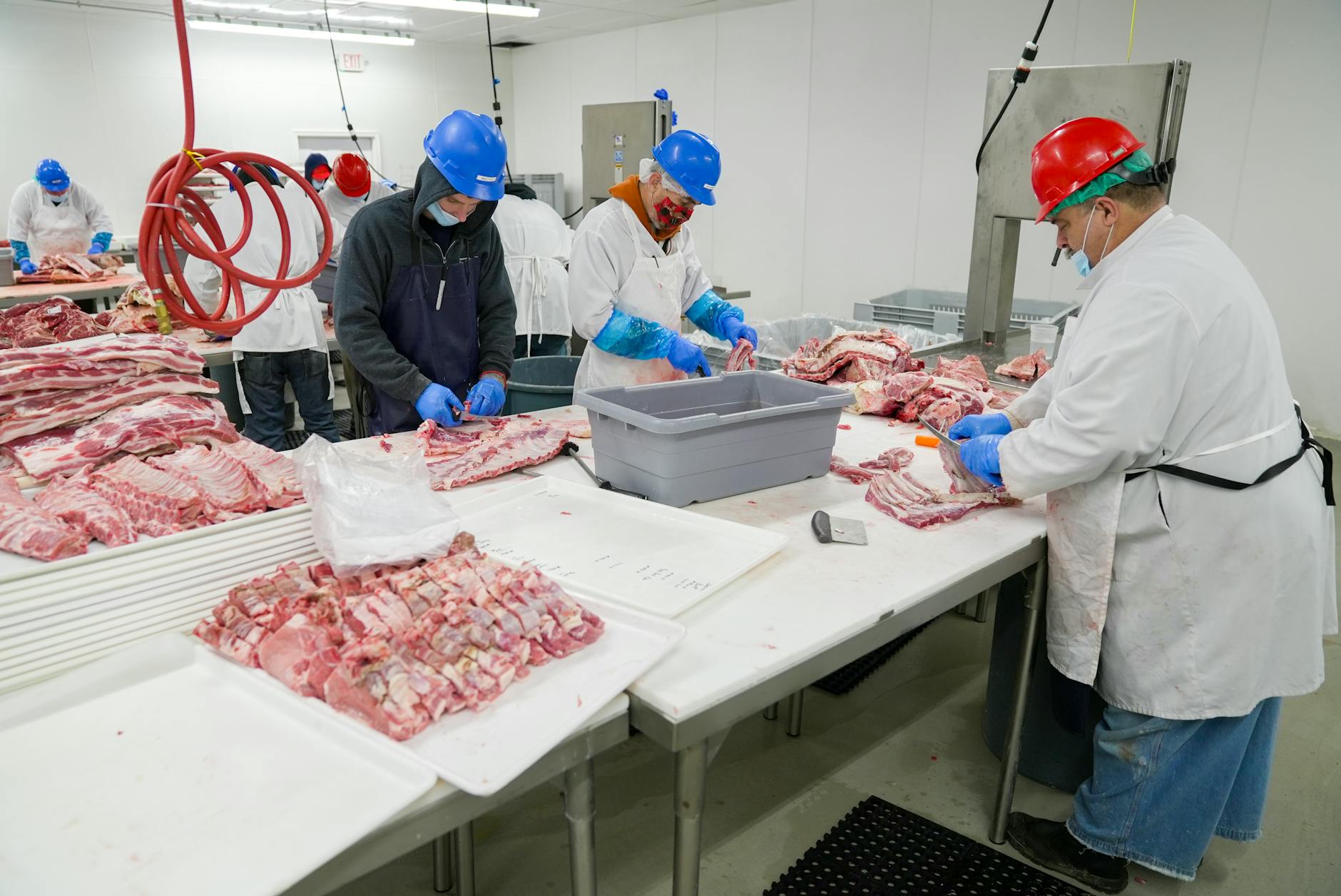
Key points
- The USDA is deploying federal grants and stricter regulations under the Packers and Stockyards Act to curb the dominance of major meatpacking conglomerates.
- Four processing giants currently control 85 percent of the domestic beef slaughter, leaving independent ranchers and buyers with limited options during supply disruptions.
- Increased funding for regional processors aims to build supply chain resilience, potentially offering restaurant operators alternative procurement options over time.
- Independent processing plants still face steep hurdles regarding operational scale, labor shortages, and established distribution channels.
The United States Department of Agriculture has launched a comprehensive series of market interventions aimed at restructuring the domestic meat processing sector. For decades, a small handful of multinational corporations have consolidated control over the slaughterhouses and distribution networks that move beef, pork, and poultry from American ranches to consumer dinner tables. This intense concentration of market power has drawn increasing scrutiny from supply chain analysts, consumer advocates, and independent livestock producers who argue that diminished competition distorts pricing at every level of the economy.
Reporting from Meat+Poultry highlights how these regulatory moves mark a pivotal shift in federal enforcement strategy under the Packers and Stockyards Act. The newly unveiled rules and financial initiatives seek to lower barriers to entry for smaller, regional processors while establishing stricter transparency guidelines for market transactions. By creating new regulatory framework protections and capital programs, federal officials hope to inject fresh competition into a marketplace that has long been dominated by four major meatpacking entities.
THE LANDSCAPE OF MEATPACKING CONCENTRATION
The contemporary American meat industry is defined by an unprecedented degree of market concentration. According to federal estimates, just four major companies control roughly 85 percent of the domestic steer and heifer slaughter, while a similarly small group dominates pork and poultry processing. This structural reality means that independent ranchers often have very few buyers competing for their livestock, leaving them with limited negotiating power when bringing animals to market.
At the same time, national restaurant chains and retail grocery distributors rely on these massive conglomerates to supply uniform products at massive scale. When a bottleneck occurs within one of these giant processing hubs, whether due to operational disruptions or sudden demand spikes, the entire national supply chain experiences immediate friction. The USDA strategy addresses this vulnerability directly by attempting to decentralize processing capacity across a broader geographic footprint.
NEW FINANCIAL CAPITALS AND REGULATORY RULEMAKING
A core component of the federal initiatives involves direct financial grants and loan guarantees designed to help independent processing plants expand their existing facilities or build new ones from scratch. Millions of dollars in federal backing are being channeled toward regional meat processors who historically lacked the capital necessary to compete with established industry giants. These funds assist facility owners in upgrading equipment, obtaining federal inspection certifications, and adopting modern logistics software.
Alongside capital deployment, the USDA is advancing new administrative rules aimed at curbing unfair or deceptive practices within the industry. The proposed regulations seek to establish clearer definitions of what constitutes anti-competitive behavior, making it easier for smaller producers to seek legal recourse when facing abusive contracting terms. By clarifying these statutory protections, regulators intend to level the playing field for smaller entities attempting to secure stable supply agreements with regional grocery chains and commercial foodservice operators.
IMPACT ON RESTAURANT OPERATORS AND FOODSERVICE COSTS
For restaurant operators, supply chain stability and predictable wholesale pricing are essential to maintaining operating margins. The extreme consolidation of the meat processing sector has historically exposed restaurant owners to sharp price volatility during supply disruptions, as seen during recent global supply chain shocks. When a major packing facility reduces output, wholesale beef and pork prices often surge overnight, leaving chefs and procurement managers with few alternative options.
By fostering a more diverse web of regional processors, the federal initiative could eventually provide foodservice buyer networks with greater flexibility. Procurement managers may soon have access to a wider variety of regional suppliers, potentially mitigating the regional price spikes that occur when national plants face operational hurdles. While establishing new processing infrastructure takes years to complete, the long-term goal is to build a more resilient system capable of absorbing localized disruptions without triggering severe wholesale price inflation.
Despite the influx of federal support, independent processors face significant structural hurdles as they attempt to challenge established market leaders. Operating a meatpacking facility requires navigate rigorous federal safety inspections, managing complex environmental compliance guidelines, and securing a continuous supply of skilled labor. Large conglomerates benefit from massive economies of scale that allow them to process thousands of head of cattle daily at lower per-unit operational costs.
Smaller plants often struggle to achieve those same operational efficiencies, which can make it difficult to compete purely on price without targeting premium market niches. Furthermore, established distributors often maintain long-term exclusive contracts with major restaurant groups and retail chains, making it hard for new entrants to secure reliable distribution channels. Analysts noted in reporting by Meat+Poultry that federal interventions must address distribution access alongside processing infrastructure to achieve lasting market reform.
For food industry professionals and restaurant operators, these regulatory changes signal a gradual shift in the wholesale procurement landscape. Over the coming years, buyers can expect to see an increase in regional beef and pork processing options, providing potential alternatives to the dominant national suppliers. While this expanded capacity will not eliminate price volatility overnight, it introduces much-needed redundancy into the national meat supply chain. Restaurant owners who prioritize local sourcing or specialty meats may find new opportunities to establish direct relationships with regional processors. Monitoring these regulatory developments will be essential for menu planners seeking to secure reliable protein sources while navigating evolving wholesale market conditions.
Sources and methodology
Reported from the public datasets below.
More from the Foodie Pundit Newsroom
- FDA Unveils Stricter Food Traceability Mandates for High-Risk Grocery and Restaurant Ingredients
- Cultivated Protein Prepares to Reshape Global Food Supply and Restaurant Menus
- The High Cost of Convenience: How Ultra-Processed Foods Shape Public Health and Food Economics
- GLP-1 Impact Shifts From Media Panic to Permanent Menu Redesign
- The USDA Wants to Break Up Big Meat So Your Ribeye Costs Stop Spiking