Starbucks drink complexity is killing baristas and slowing lines
Intricate menu items and viral digital customizations are pushing store-level operations to their limits, threatening throughput and barista retention.
By Foodie Pundit Newsroom - Published - Updated - Section: Coffee Cafes
Key points
- Intricate beverage builds disrupt standard store workflows and increase fulfillment times during peak service hours.
- Mobile app customization options drive higher ticket totals but create physical bottlenecks for retail staff.
- Existing labor models often fail to account for the additional prep time required for complex viral drinks.
- Operational strain contributes to higher barista turnover rates and ongoing labor friction within the service sector.
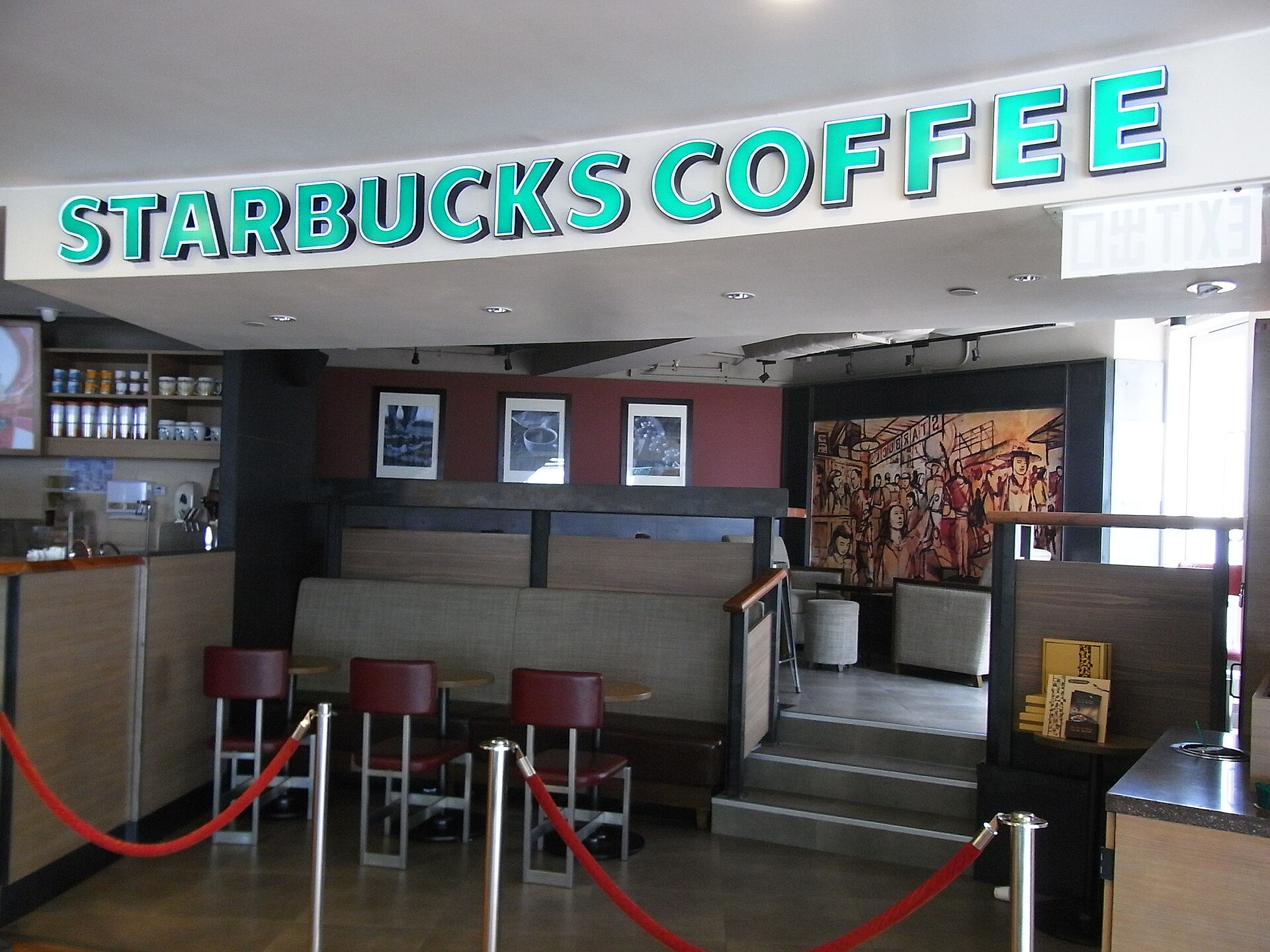
Starbucks has long relied on menu innovation to drive customer foot traffic, boost check sizes, and spark social media buzz. Seasonal offerings and viral custom beverages have historically delivered substantial revenue spikes for the global coffee giant. However, the introduction of labor-intensive complex beverages is increasingly highlighting a growing tension between executive marketing strategies and front-line store operations.
Operational strain inside retail store locations is not a new challenge for the food service industry. Yet, as custom drink modifications become the norm rather than the exception, baristas are facing unprecedented workload pressures. Recent industry reporting from Mashed indicates that front-line workers are expressing rising frustration over intricate drink recipes that disrupt standard workflow patterns and significantly increase ticket fulfillment times.
The core of the current store-level operational crisis stems from drink architecture. Modern viral beverages frequently require multiple steps, specialized cold foams, layered syrups, and precise visual presentation standards. Unlike classic espresso drinks that follow a streamlined steam-and-pour routine, multi-component concoctions force baristas to move between multiple stations for a single order.
This physical movement across the store layout creates bottlenecks during peak operational hours. When a single drink requires ingredients from the espresso bar, the cold beverage station, and the warming station, throughput naturally slows down. For stores designed around speed and high volume, complex builds create cascading delays across both drive-thru lanes and mobile order pickup counters.
MOBILE ORDERING AND THE CUSTOMIZATION EXPANDER
The widespread adoption of mobile ordering apps has fundamentally altered how consumers interact with coffee shop menus. Digital interfaces make unlimited customizations exceptionally easy for customers, encouraging complex modifications that guests might hesitate to request in person. Extra pumps of syrup, light ice requests, and layered toppings can turn a simple iced coffee into an eight-step assembly process.
While these premium modifications increase the total check value for Starbucks, they introduce significant friction for retail staff. Baristas must carefully read long, printed ticket receipts while maintaining rapid production targets. According to reports compiled by Mashed, employees report that high volumes of heavily modified orders during morning rushes create severe physical exhaustion and mental fatigue.
The operational disruption caused by intricate menu items directly intersects with corporate labor allocation models. Restaurant chain labor formulas traditionally allocate staffing hours based on expected unit sales and order volumes. When beverage prep times double or triple due to drink complexity, standard labor formulas often fail to provide adequate shift coverage.
Store managers are caught in a difficult position between strict labor budgets and demanding speed-of-service metrics. Baristas report that while corporate promotional campaigns successfully drive massive spikes in customer visits, staffing levels frequently remain unchanged. This mismatch leaves store teams understaffed during product launches, leading to missed drive-thru times and lower customer satisfaction scores.
WORKER DISSATISFACTION AND RETENTION RISKS
Persistent operational friction carries real financial consequences for food service corporations through increased employee turnover and labor organizing efforts. Retail store turnover is notoriously expensive, requiring continuous expenditure on recruitment, onboarding, and training for new hires. When experienced baristas leave due to burn-out, overall store efficiency drops even further.
Front-line dissatisfaction has also played a major role in unionization drives across the service sector in recent years. Workers frequently cite unpredictable scheduling, inadequate staffing during promotional events, and intense physical strain as primary motivators for labor organizing. Complex drink builds act as a daily flashpoint, reinforcing employee perceptions that corporate strategy prioritizes promotional buzz over operational reality.
From a corporate finance perspective, high-margin premium beverages are vital for sustaining profit growth in an inflationary environment. Specialty cold drinks carry some of the highest gross margins in the restaurant industry, allowing brands to offset rising costs for dairy, coffee beans, and paper packaging. Eliminating complex drinks entirely is simply not an option for executives looking to satisfy shareholder expectations.
Consequently, leadership teams must find technological and operational compromises. Potential solutions include redesigning store layouts to place cold foam and syrup stations closer together, updating automated equipment, or capping the maximum number of custom modifications permitted on digital ordering channels. Without structural adjustments, the gap between promotional execution and store capacity will continue to widen.
For everyday consumers, the ongoing struggle over menu complexity means that wait times at major coffee chains may continue to creep upward, especially during peak morning rush hours. If you rely on mobile ordering for a quick pickup, intricate drink trends can lead to unexpected delays at the handoff counter as baristas work through backlog tickets.
Additionally, consumers may soon see changes in how drinks are priced and customized. To manage labor costs and operational bottlenecks, major beverage brands could begin charging higher fees for specialized modifications or limiting custom build options during high-volume hours. Supporting front-line staff with patience and planning for slightly longer wait times remains essential during major seasonal drink launches.
Sources and methodology
Reported from the public datasets below.
More from the Foodie Pundit Newsroom
- Mediterranean Concept Set to Open at Plant Street Market in Winter Garden
- The Home-Cooked Paneer That Fools Everyone
- Grocery Inflation Cools As Supermarket Shelf Prices Begin To Stabilize
- What If America's Winter Salad Bowl Just... Dried Up?
- Climate Smart Farming Methods Protect Agricultural Yields Amid Record Aridity