viral Girl Dinner Trend Returns as Economic Pressures Reshape Modern Dining Habits
The viral grazing trend returns to social media as economic pressures and decision fatigue reshape modern dinner routines.
By Foodie Pundit Newsroom - Published - Section: Social Virality
Key points
- Social media users are resurrecting the popular snack based dining trend as a response to decision fatigue and busy schedules.
- Grocery retailers and restaurant operators are adjusting product offerings and menus to cater to grazing style meal preferences.
- Nutritionists emphasize that assembly based plates can offer balanced intuitive eating when protein and fiber are included.
- The trend reflects broader economic shifts toward cost effective domestic meal choices among younger demographics.
THE VIRAL CHARCUTERIE PHENOMENON RETURNS TO SOCIAL MEDIA
Social media trends often vanish as quickly as they appear, but the minimalist culinary movement known as girl dinner has proven remarkably resilient. Over the past year, short form video platforms have seen a massive resurgence in posts featuring low effort, highly aesthetic, snack based meals. According to recent reporting by Today.com, the digital phenomenon has evolved from a quirky summer fad into a lasting cultural shift that is reshaping how younger consumers approach evening dining.
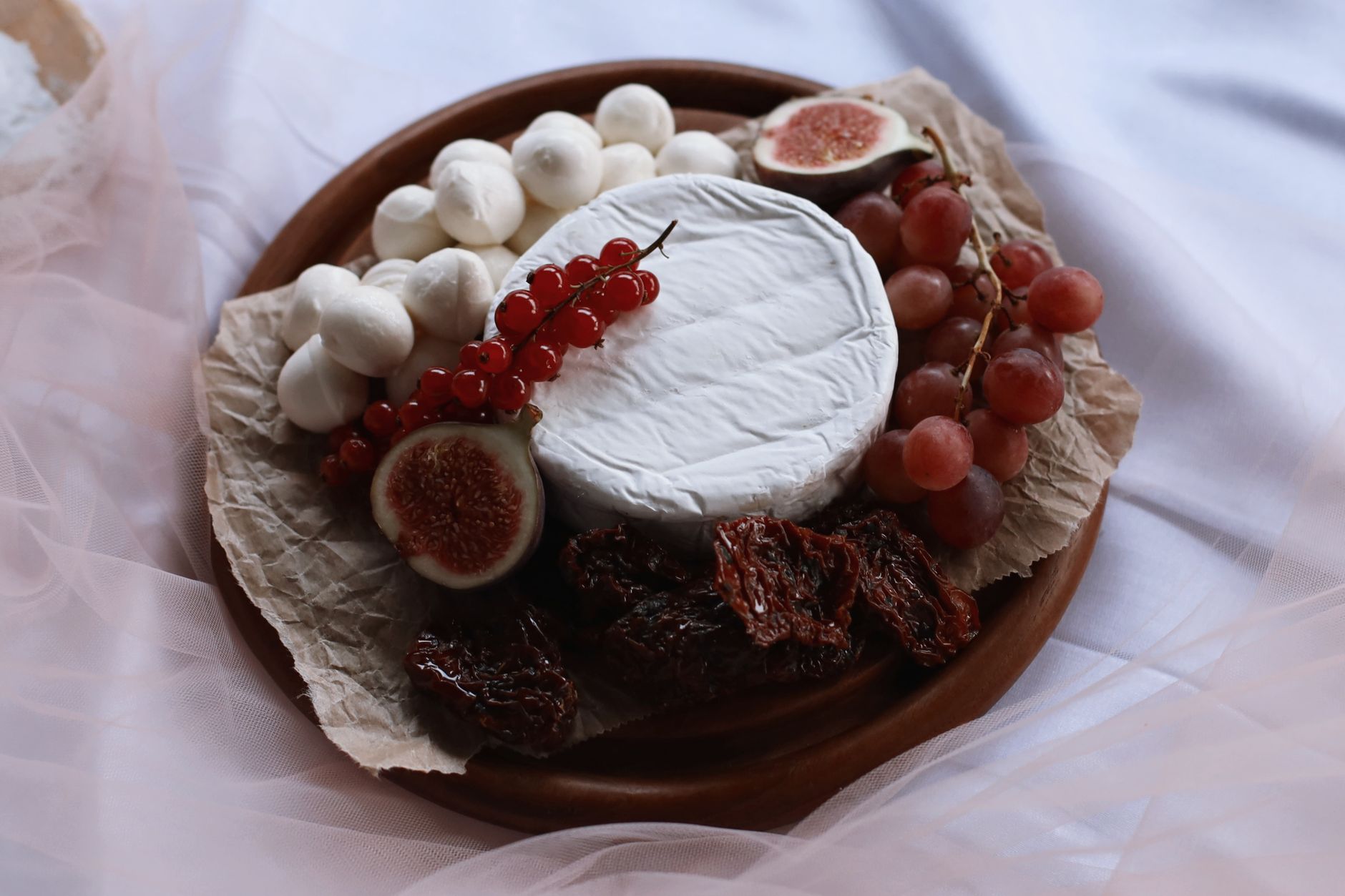
The concept originally gained traction as a celebration of personal preference over traditional meal preparation. Instead of cooking a cohesive main course with balanced side dishes, participants assemble an assortment of disparate items on a single plate or cutting board. Common elements include cheese wedges, pickles, cured meats, sliced fruit, crackers, canned fish, and leftover condiments. The resulting spread prioritizes convenience, sensory variety, and individual craving satisfaction over formal culinary rules.
Industry analysts note that the trend reflects deeper shifts in household economics and labor distribution. For many young professionals and students, the traditional model of cooking a complex dinner after a long workday feels increasingly unmanageable. As inflation continues to drive up the cost of groceries and restaurant visits, the ability to construct a satisfying meal from existing pantry staples offers both financial relief and practical convenience.
THE CULINARY PSYCHOLOGY BEHIND SNACK BASED DINING
The psychological appeal of this dining style extends far beyond mere convenience. Food psychologists suggest that the modern consumer experiences decision fatigue across every aspect of daily life, making simple food choices particularly attractive. By removing the pressure to follow a rigid recipe or coordinate cooking times for multiple ingredients, the assembly based meal restores a sense of autonomy and playfulness to the kitchen environment.
Furthermore, the visual nature of these meals makes them naturally suited for visual platforms like TikTok and Instagram. Users take visible pride in arranging visually appealing spreads using artisanal ceramics or rustic wooden boards. The contrast of textures and colors creates an engaging visual narrative that encourages community interaction and creative sharing online. What began as an unscripted moment of solitary eating has transformed into a shared digital ritual that validates non traditional eating habits.
Nutritionists have offered mixed assessments of the trend since its inception. While some health professionals caution that haphazard snacking can lead to nutritional deficiencies if protein and fiber are neglected, many praise the approach for promoting intuitive eating. When executed thoughtfully, a snack plate can easily provide a balanced mix of healthy fats, complex carbohydrates, and essential vitamins without the stress of conventional meal prep.
RETAILERS AND RESTAURANTS CAPITALIZE ON THE TREND
The commercial sector has been quick to recognize the economic potential of this consumer behavior shift. Major grocery chains and specialty food retailers have tailored their merchandising strategies to accommodate the demand for snack style assembly items. Pre packaged charcuterie trays, single serve dip containers, specialty cracker varieties, and high end canned seafood lines have experienced notable sales growth directly aligned with the trend.
Restaurants are also adapting their menu designs to capture consumers who prefer grazing over structured courses. Tapas bars, wine lounges, and casual dining establishments are expanding their small plates and shareable app offerings. Some forward thinking operators have even introduced explicit promotional menus designed around the concept, offering customizable grazing boards accompanied by paired beverages to draw in younger demographics during off peak dining hours.
This commercial adaptation highlights a broader blurring of the line between snack foods and full meals. Consumer packaged goods companies are increasingly marketing products as complete eating solutions rather than mid afternoon treats. As convenience remains the primary driver of food purchasing decisions, products that fit seamlessly into an assembly based eating style are capturing a larger share of the overall food retail market.
CULTURAL RESILIENCE IN AN ERA OF DINING FLUX
The enduring popularity of this viral habit demonstrates how digital culture can fundamentally alter long standing domestic routines. Prior generations often viewed solo, unstructured eating as a tragic compromise or a sign of poor planning. Today, social media validation has rebranded the practice as a form of self care and personal liberation from domestic expectations.
This shift is particularly pronounced among Gen Z and millennial demographics who reside in single person households or work remote schedules. Without the social imperative to feed a traditional family unit at a set time, these consumers are reimagining what constitutes a valid dinner. The democratized nature of social media allows these alternative dining styles to gain mainstream acceptance without needing endorsement from traditional culinary gatekeepers or formal cookbooks.
As the trend continues to evolve, creators are diversifying the formats to include international variations, high protein iterations, and budget conscious versions under ten dollars. This adaptability suggests that snack based dining is not merely a passing internet joke, but a permanent evolution in contemporary food culture that will influence retail product development and restaurant hospitality for years to come.
The revival of this viral eating style indicates that personalized, stress free meals are becoming a permanent feature of modern lifestyle choices. If you find yourself overwhelmed by weeknight cooking or budget constraints, assembling a balanced plate of pantry staples is a fully legitimate way to feed yourself without guilt.
For consumers looking to optimize this approach, focusing on nutritional balance is key to long term satisfaction. You can elevate a basic snack plate by ensuring it includes a lean protein source, a fiber rich vegetable or fruit, and a quality fat alongside your favorite crackers or savory bites.
From an economic perspective, embracing grazing style meals can significantly reduce food waste and lower your weekly grocery bill. By utilizing small portions of leftover ingredients and shelf stable pantry goods, you can create satisfying, visually pleasing meals that save both time and money in the kitchen.
Sources and methodology
Reported from the public datasets below.
More from the Foodie Pundit Newsroom
- Summer Grazing Culture Returns As Consumers And Restaurants Embrace Low-Effort Dining
- Casual Dining Footprints Shrink as National Chain Eliminates 28 Underperforming Locations
- Legacy Fast Food Chains Face Mounting Closures as Economic Pressures Reshape the Industry
- Fast Food Icon Closures Signal Broad Economic Shift Across Quick Service Industry
- Wave of Corporate Restructurings Hits Dining Chains as Operating Expenses Surge