Viral Mustard Trend Drives Sales Spikes and Menu Adjustments Across Food Sector
Social media video trends are pushing basic yellow mustard into the spotlight, driving grocery sales and altering fast-casual restaurant menus.
By Foodie Pundit Newsroom - Published - Updated - Section: Grocery Cpg
Key points
- Social media trends are driving unexpected sales surges for standard yellow mustard across retail supply chains.
- Restaurants are leveraging mustard-forward menu concepts to capture interest from younger demographics without high food costs.
- The trend is fueled by low-carbohydrate and high-protein diet communities seeking zero-calorie flavor enhancers.
- Budget-conscious shoppers are turning to affordable basic condiments to elevate simple home-cooked meals.
Yellow mustard is experiencing a massive revival across social media platforms, transforming from a quiet pantry staple into a dominant digital food trend. Short-form video creators are posting clips featuring whole raw vegetables, cottage cheese, sausage links, and hard-boiled eggs slathered in bright yellow mustard. The movement has racked up hundreds of millions of views over recent months. Analysts are watching the phenomenon closely as it drives tangible spikes in consumer purchasing habits at grocery stores.
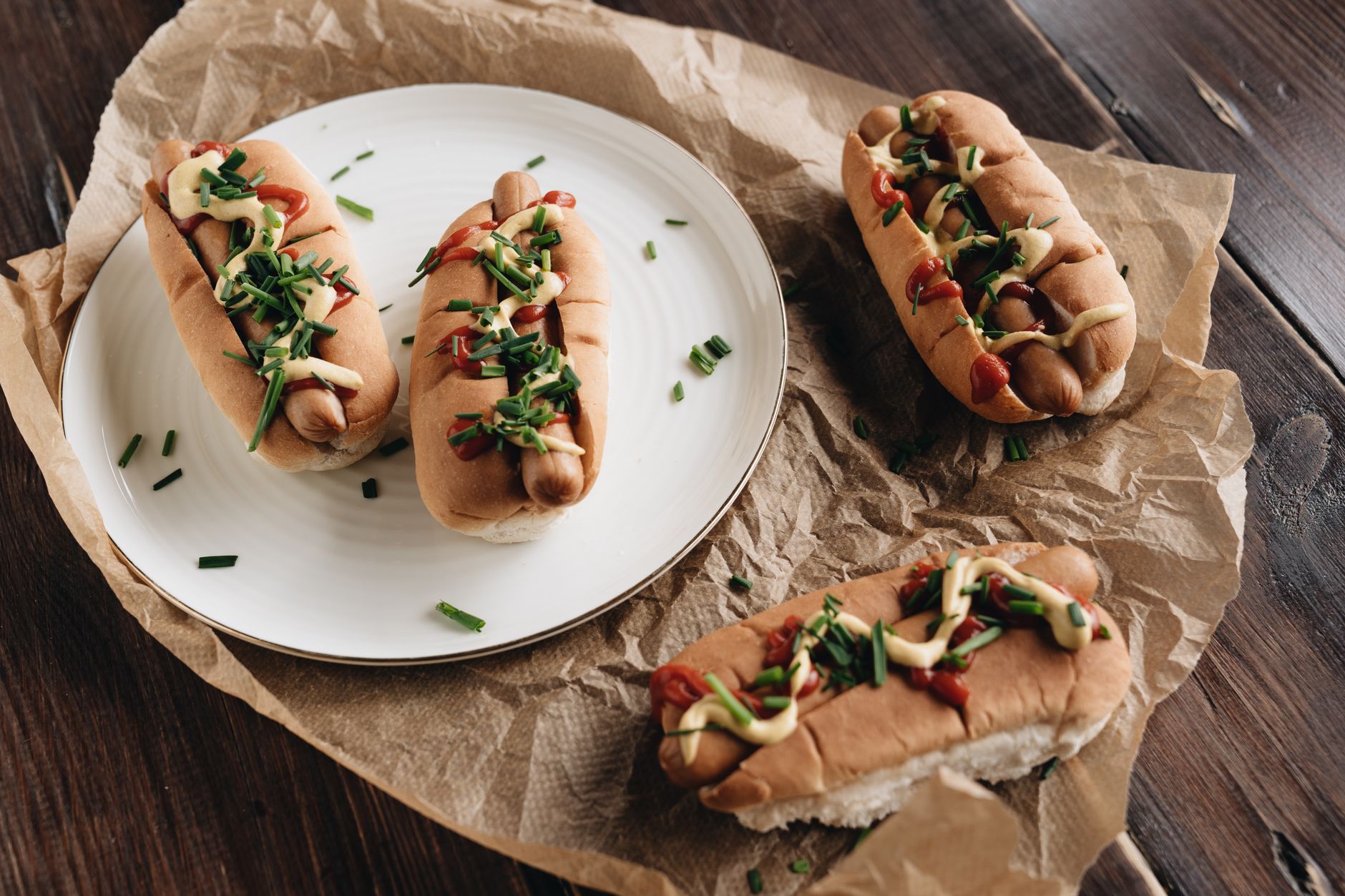
The trend gained traction through creators demonstrating low-carbohydrate meals centered on heavy applications of basic yellow mustard. While specialty food trends often lean toward artisanal items like hot honey or chili crunch, this movement relies on inexpensive, widely accessible condiments. According to reporting by The Mirror, the viral sensation has grown rapidly beyond niche online circles. Grocery shoppers and restaurant operators alike are now feeling the secondary effects of this sudden interest in standard table mustard.
The sudden popularity of mustard is creating an unexpected demand surge across the food retail ecosystem. Traditional mustard brands, which historically enjoyed stable but slow growth rates, are suddenly capturing the attention of younger demographics. Retail stock levels are fluctuating as consumers purchase mustard alongside complementary viral items like fresh crunchy vegetables and high-protein snacks. Major condiment manufacturers are closely monitoring inventory pipelines to ensure distribution centers can keep pace with regional demand spikes driven by viral algorithm shifts.
For food retailers, these viral micro-trends create unique inventory challenges. Stocking strategies traditionally rely on seasonal trends, such as summer grilling surges, rather than overnight social media crazes. Grocery store managers report rapid turnover in basic yellow condiment aisles that normally experience steady, predictable sales. Supply chain planners must balance short-term inventory increases against the risk of sudden drops in consumer interest once the online algorithm moves on to a new food hyper-fixation.
The restaurant industry is beginning to adapt menu offerings to capitalize on the renewed public interest in mustard-heavy flavor profiles. Fast-casual dining concepts and neighborhood delis are experimenting with custom mustard dips, tangy house glazes, and elevated condiment bars. Operators recognize that aligning menu items with viral food culture can attract younger diners seeking real-world versions of content seen on their feeds. By incorporating versatile mustard variations into casual menu formats, restaurants can boost dish appeal without significantly increasing food cost metrics.
Culinary directors are also exploring how to incorporate mustard into broader flavor profiles to create novelty. Pre-existing items like pretzel bites, chicken tenders, and charcuterie boards are receiving updated marketing copy that emphasizes mustard pairings. Restaurant chains that move quickly to capture trending flavor profiles often see a short-term boost in check averages and social media mentions. However, kitchen operations must remain nimble enough to rotate out trending sauces without creating prep line inefficiencies or unnecessary ingredient waste.
HEALTH PERCEPTIONS AND LOW-CALORIE APPEAL
A primary driver behind the mustard trend is its favorable nutritional profile within popular wellness and diet communities online. Yellow mustard contains virtually zero calories, sodium levels that add intense flavor without added fat, and no added sugars. Social media users frequently highlight mustard as an ideal flavor enhancer for restrictive eating plans, high-protein diets, and low-carbohydrate meal prep strategies. This positioning elevates mustard from a simple hot dog topping to a key tool for health-conscious consumers.
The combination of cottage cheese and mustard has emerged as a particularly popular pairing, blending high-protein dairy with sharp acidity. Health influencers present these combinations as satisfying snacks that deliver high volume and flavor with minimal caloric density. While dietitians note that balance remains crucial in any daily meal plan, the visual contrast of bright yellow mustard applied to raw vegetables creates compelling video content. This visual appeal has helped sustain the trend far longer than standard viral food challenges usually last.
From an economic perspective, the rise of mustard highlights the consumer shift toward affordable luxury and budget-friendly flavor upgrades. Rising food costs at grocery stores and restaurants have prompted consumers to seek maximum flavor impact from low-cost ingredients. A standard bottle of basic yellow mustard costs very little compared to specialized hot sauces or imported specialty dressings. This low cost of entry allows consumers of all income levels to participate in the viral trend without straining their household food budgets.
For CPG companies, the mustard boom demonstrates the power of organic social media engagement over traditional advertising campaigns. Brands do not necessarily need to launch expensive marketing initiatives when online creators organically generate interest in legacy products. condiment manufacturers that leverage user-generated content are seeing increased brand equity among Generation Z and millennial shoppers. The challenge for these legacy brands is converting short-term viral curiosity into long-term brand loyalty once the initial trend subsides.
As a consumer or restaurant diner, you will likely notice expanded condiment offerings and mustard-centric options across menus and grocery shelves. Restaurants are increasingly using bold, low-cost flavor agents to create distinct dishes without passing heavy price hikes onto customers.
If you are following dietary goals, mustard offers a budget-friendly way to add robust flavor to everyday meals without adding significant calories or fat. Expect brands to introduce new flavor variations, convenience packaging, and promotional bundles designed to keep this basic pantry staple at the top of your shopping list.
Sources and methodology
Reported from the public datasets below.
- Federal Reserve Economic Data (FRED) - Food services and drinking places series
- Bureau of Labor Statistics (BLS) - Consumer Price Index, food away from home
- Federal Reserve Economic Data (FRED) - Food services and drinking places series
- Bureau of Labor Statistics (BLS) - Consumer Price Index, food away from home
- The Mirror - TikTok's Wild Mustard Trend Is Officially Everywhere - Aug 2026
More from the Foodie Pundit Newsroom
- London Fine Dining Hit as Michelin-Starred The Ninth Announces Permanent Closure
- Michelin Starred Fitzrovia Landmark The Ninth Prepares To Close Permanently
- Viral Haul Culture Forces Rapid Overhaul Across Grocery Aisles and Restaurant Menus
- Kansas City Restaurant Shutdown Highlights Ongoing Struggles for Midwest Independents
- Fitzrovia Fine Dining Staple The Ninth Prepares for Final Service