Viral No-Cook Dining Trends Reshape Grocery Sales and Restaurant Menus
The viral internet trend of effortless, no-cook grazing meals continues to influence supermarket buying habits and restaurant menu design.
By Foodie Pundit Newsroom - Published - Section: Grocery Cpg
Key points
- Low-effort assembly meals have transitioned from a brief social media phase into an established, permanent dining habit.
- Grocery retailers and food brands are profiting from elevated sales of pre-packaged charcuterie, specialty cheeses, and tinned seafood.
- Restaurant operators are optimizing kitchen efficiency by expanding profitable, cold-assembly appetizer menus.
- The dining shift reflects larger economic trends, including rising single-person households and a desire to reduce food waste.
The viral social media phenomenon known as girl dinner has evolved from a transient internet meme into a permanent fixture of contemporary dining habits. What began as lighthearted short-form videos showcasing haphazard assemblages of snacks, leftovers, and simple pantry staples has reshaped how consumers view evening sustenance. Recent analysis from TODAY.
com highlights that the appetite for these effortless, no-cook assortments remains exceptionally strong across digital platforms. Restaurant operators and food manufacturers are now adjusting their retail strategies to capture a market segment that increasingly rejects traditional cooking.
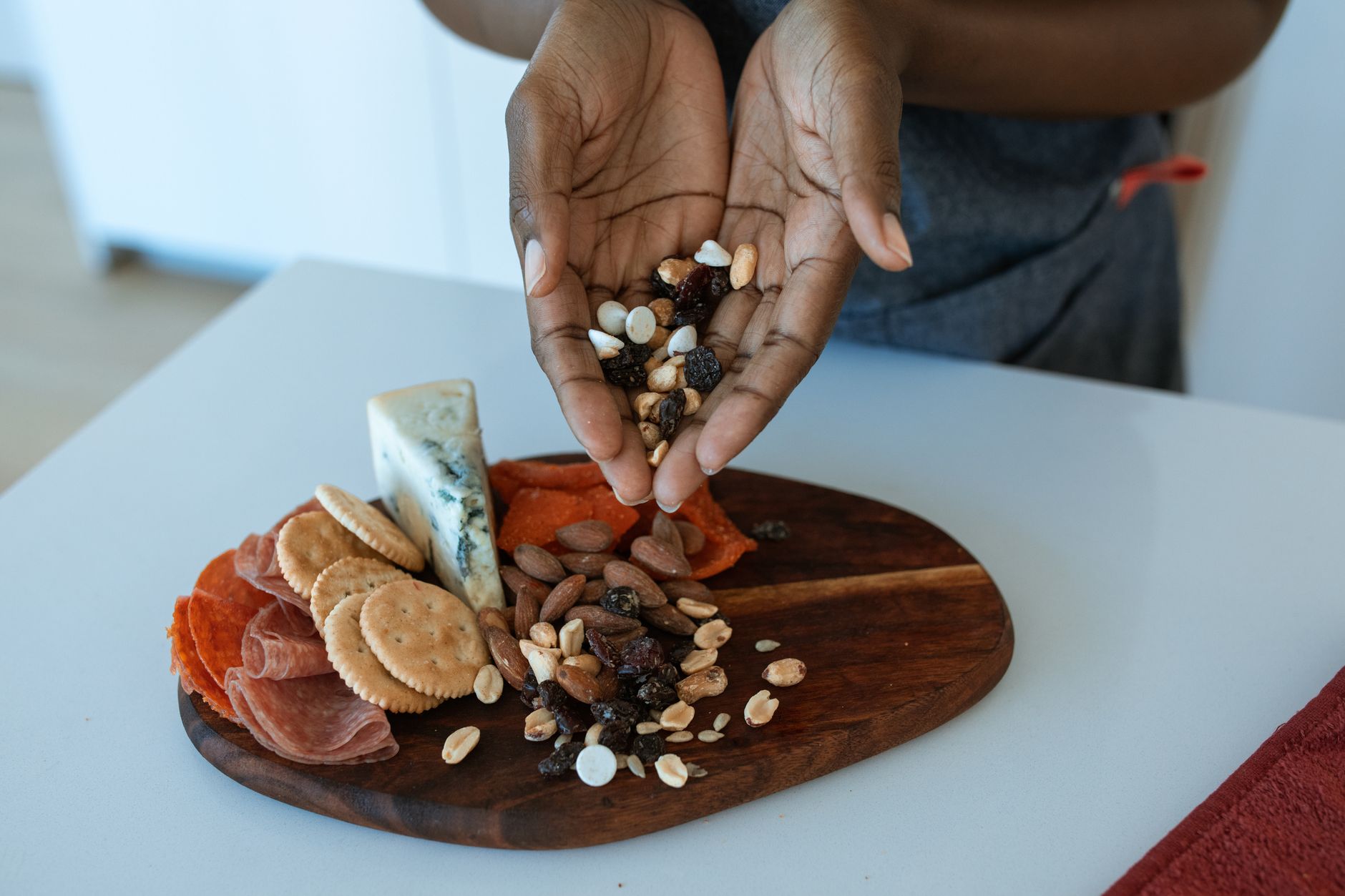
The foundational appeal of this dining style lies in its absolute elimination of culinary friction. Consumers returning home after long workdays often face decision fatigue and time constraints that make full recipe preparation unappealing. By granting implicit permission to combine unrelated items like sliced cheeses, pickles, cured meats, and raw vegetables onto a single plate, the trend liberates individuals from formal meal structures. The resulting grazing platters offer a customized dining experience that prioritizes personal convenience over conventional nutrition guidelines or traditional course sequences.
This behavioral shift reflects broader cultural changes in household composition and labor dynamics. Single-person households continue to rise globally, altering the economic calculus of cooking complex multi-ingredient dinners for one. Preparing full meals often yields excess food waste and high grocery expenses, whereas assembled snack plates utilize existing pantry inventories efficiently. The persistent popularity of low-effort dining underscores a growing desire for low-stress nourishment in an increasingly fast-paced environment.
The retail sector has experienced a measurable financial windfall from the sustained demand for snack-oriented dining solutions. Specialty cheese producers, cured meat manufacturers, and premium cracker brands have seen steady sales volume as shoppers actively seek out high-quality components for home assembly. Major grocery chains have responded by expanding their deli selections, stocking pre-packaged charcuterie items, and placing complementary snack elements in close physical proximity within store layouts.
Specialty grocers have capitalized on this consumer impulse by marketing curated tapas kits and small-bite assortments tailored specifically for rapid assembly. These premium convenience items carry higher profit margins than basic raw commodities, boosting overall basket sizes for food retailers. By repackaging traditional ingredients as curated snacking elements, grocers successfully bridge the gap between low-effort preparation and high-end aesthetic appeal. The strategy transforms mundane snack consumption into an elevated home culinary event without requiring gas burners or complex techniques.
Consumer packaged goods companies are also reformulation products to align with this decentralized eating model. Single-serve packaging, artisanal dips, and portion-controlled snack packs have flooded supermarket shelves to capture impulse buyers looking for quick plate additions. Brand marketers now routinely structure digital ad campaigns around the concept of effortless grazing, recognizing that modern shoppers frequently skip traditional meal planning entirely in favor of modular snack purchases.
The persistent popularity of low-effort grazing at home has forced commercial restaurant operators to reevaluate their appetizer programs and shared plate concepts. Dining establishments are increasingly designing menu offerings that mimic the variety and flexibility of social media dinner trends. High-margin items like artisanal cheese boards, sea salt tinned fish, warm olives, and crusty breads have moved from peripheral menu placement to core focal points across independent and chain restaurants.
Operators benefit significantly from menu architectures centered on small, low-prep items. Cold-station assembly items require minimal cook time, allowing kitchen staff to execute orders rapidly during peak operational hours without straining hot line equipment. Furthermore, tinned seafood and preserved meats offer extended shelf lives, reducing product spoilage costs while maintaining attractive gross margin profiles for restaurant owners. The economic efficiency of assembling pre-made or preserved foods aligns perfectly with ongoing kitchen labor shortages.
To maximize revenue, hospitality operators present these simple component meals with premium pricing by emphasizing ingredient sourcing and artistic presentation. Guests are routinely willing to pay elevated menu prices for curated charcuterie spreads, recognizing the value of pre-selected flavor pairings and communal presentation. By validating the snack-as-a-meal philosophy, restaurants successfully tap into the emotional and social desires of diners seeking relaxed, low-commitment culinary experiences.
For the modern consumer, the staying power of low-effort meal assembly represents a permanent validation of personal convenience in home dining. You no longer need to feel pressured to execute complex recipes or prepare traditional three-part dinners every night of the week. Embracing modular, assembly-only meals allows you to lower food waste by utilizing leftover produce, pantry condiments, and single-serve proteins sitting in your refrigerator.
From a budgeting perspective, leaning into high-quality grazing components can actually reduce your overall food spending when managed strategically. Purchasing a few versatile, long-shelf-life ingredients like cured meats, hard cheeses, olives, and nuts allows you to build satisfying, quick plates without committing to expensive bulk perishable items that risk spoiling. You can curate satisfying dining experiences at home that save time, minimize dishwashing duties, and reduce everyday culinary stress.
Finally, keep an eye on your local grocery stores and favorite dining establishments for expanding small-bite options. As food companies and restaurants continue to lean into this trend, you will likely gain access to a wider variety of pre-assembled charcuterie packs, specialized tinned seafoods, and customizable tapas menus. This ongoing shift gives you greater flexibility to eat on your own terms, whether you are dining out with friends or assembling a quick midnight plate in your own kitchen.
Sources and methodology
Reported from the public datasets below.
More from the Foodie Pundit Newsroom
- Supermarket Prices Show Uneven Relief As Grocery Categories Diverge
- Sticky Food Inflation Keeps Pressure On Weekly Household Budgets
- Taco Bell Expands Premium Offerings With New Cantina Chicken Lineup
- Fast Food Economics: Why McDonald's Relies on Scarcity Marketing with the Return of the McRib
- Grocery Bill Surges Cool Down but Baseline Costs Remain Rigid