The Internet Has Spoken: Why a Viral Pasta Recipe is the New Fine Dining
Explore how viral pasta recipes are overtaking traditional fine dining, as internet crowds crown new culinary kings.
By Foodie Pundit Newsroom - Published - Updated - Section: Trending
Key points
- The internet is replacing traditional culinary critics.
- Simple pasta dishes resonate more than complex fine dining.
- TasteAtlas rankings reflect global populist tastes.
It is eleven oclock at night. The soft blue glow of your phone screen illuminates your face in an otherwise dark room. You are scrolling.
You are always scrolling. Amidst the barrage of dance challenges, unboxing videos, and impassioned rants about minor daily inconveniences, a different kind of content catches your eye. A block of feta cheese sits proudly in the center of a baking dish, surrounded by a sea of cherry tomatoes.
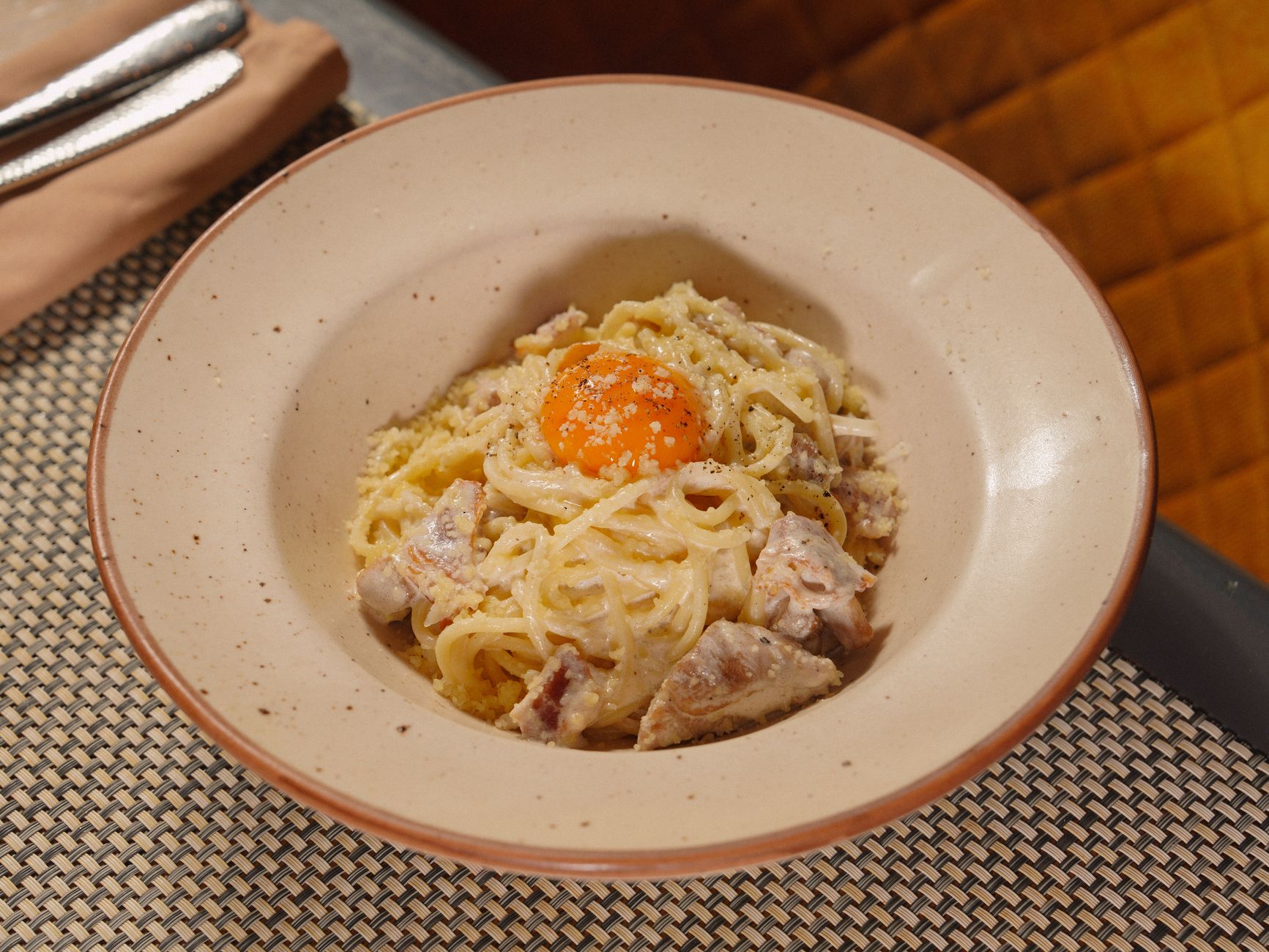
Or perhaps it is a slick, glossy pan of carbonara, the egg yolks emulsifying perfectly with the rendered pork fat and starchy pasta water. The audio track is usually a lo-fi hip hop beat or a frantic voiceover explaining how this specific combination of ingredients will change your life forever. You watch the cheese melt.
You watch the pasta fold into the sauce. Your stomach rumbles. You hit the heart icon, save the video, and tell yourself you will make it this weekend.
You are not alone. Millions of people are having this exact same visceral reaction every single night. The conversation online has shifted dramatically over the past few years, moving away from aspirational, unattainable culinary masterpieces and toward hyper accessible, visually satisfying comfort food.
The internet has become the worlds largest, most chaotic test kitchen. And in this sprawling, decentralized culinary landscape, a clear winner has emerged. It is not a delicate foam.
It is not a rare cut of wagyu beef delicately placed on a bed of foraged lichen. It is pasta.
This brings us to the crux of the current culinary moment. Recently, the popular global food mapping project TasteAtlas released its updated rankings for the best dishes in the world. And right there, sitting comfortably near the top, often dominating the discourse and driving endless digital engagement, are classic pasta dishes that have found a massive, rejuvenated audience online.
According to reports from Today, exploring the TasteAtlas rankings, dishes like carbonara are not just enduring classics; they are viral sensations. Forget your Michelin stars. Forget the pristine white tablecloths and the hushed, reverent dining rooms.
The internet has spoken, and it wants carbs, cheese, and a recipe that takes less than twenty minutes to execute.
To understand how a simple pasta dish became the undisputed champion of the modern food world, we have to look at the mechanics of digital virality. Food has always been a social experience, but the parameters of that society have expanded exponentially. In the past, a recipe gained traction through word of mouth, community cookbooks, or the daytime television slot of a charismatic celebrity chef. Today, a recipe lives or dies by its visual hook.
Pasta is inherently photogenic. The way a strand of spaghetti coils around a fork, the glossy sheen of a perfectly executed sauce, the steam rising from a freshly plated bowl; these are universal visual cues for comfort and satisfaction. When people document their cooking endeavors online, they are not just sharing a recipe.
They are sharing an aesthetic experience. The baked feta pasta, which caused literal shortages of feta cheese in grocery stores globally, is the perfect example. The transformation of a solid block of cheese and raw tomatoes into a creamy, bubbling sauce is a magic trick.
It is visually arresting, requires zero advanced culinary techniques, and delivers a highly satisfying payoff.
But the phenomenon goes beyond just feta and tomatoes. The resurgence of traditional Italian dishes, particularly carbonara, speaks to a different kind of viral appeal. Here, the hook is not a novel trick, but the pursuit of perfection.
The internet loves an argument, and there are few things people are actually arguing about more passionately than the authentic way to make carbonara. Guanciale versus pancetta. Pecorino versus parmesan.
Whole eggs versus just yolks. The absolute prohibition of cream. These debates rage in comment sections, generating massive engagement and propelling the dishes further into the digital stratosphere.
TasteAtlas, by aggregating reviews, ratings, and global sentiment, acts as a mirror reflecting these massive shifts in food culture. When a dish like carbonara ranks incredibly high on their global lists, it is not just a testament to its intrinsic deliciousness. It is a reflection of its cultural dominance.
The platform captures the zeitgeist of what people are actually cooking, eating, and obsessing over. It democratizes food criticism, taking the power out of the hands of a select few anonymous inspectors and handing it to the hungry masses with smartphones.
This democratization represents a seismic shift in how we assign value to food. For decades, the pinnacle of culinary achievement was defined by French institutional standards. The Michelin Guide, with its secretive inspectors and rigorous, often rigid criteria, dictated what was considered the best food in the world. It was an exclusive club, characterized by luxury ingredients, immense technical complexity, and an eye watering price tag.
But the modern diner has changed. The millennial and Gen X generations, who grew up during the rise of the celebrity chef and the explosion of global food media, have a different set of priorities. They are more informed, more adventurous, and significantly more skeptical of traditional gatekeepers. They are looking for authenticity, flavor, and a story, rather than just luxury for the sake of luxury.
Dr. Sarah Jenkins, a food sociologist at the University of Chicago, has been tracking this shift for years. She notes that the way we consume food media directly impacts our real world culinary choices. People are no longer looking to high end critics to tell them what is good, Dr. Jenkins explains.
They are looking to their peers. When a recipe goes viral, it comes with built in social proof. Millions of views and thousands of comments act as a collective endorsement that no single restaurant review can match.
It feels democratic. It feels accessible. And most importantly, it feels achievable.
This is not to say that fine dining is dead. There will always be a place for the artistry and technical brilliance of a multi course tasting menu. But the center of gravity in the food world has moved. The cultural conversation is no longer dominated by what is happening in the kitchens of elite restaurants. It is dominated by what is happening in the kitchens of everyday people.
This shift has not gone unnoticed by the professionals. Chefs who have spent decades honing their craft, mastering complex sauces, and obsessing over the perfect plate presentation are suddenly finding themselves competing for attention with twenty something content creators making pasta in their tiny apartments.
Marco Rossi, a chef who previously held a Michelin star in a highly acclaimed New York restaurant, recently opened a much more casual, pasta focused eatery. He views the viral pasta trend with a mixture of amusement and respect. At first, it is easy to be cynical, Rossi says.
You see someone making a carbonara on a screen, and they are doing it wrong, and you want to scream. But then you realize something important. They are cooking.
They are excited about food. They are sourcing ingredients and trying to make something delicious. That is the entire point of what we do.
Rossi recognizes that the culinary landscape has fundamentally changed. We used to dictate the trends, he continues. Now, we have to listen to the crowds. If millions of people are obsessed with a specific flavor profile or a specific technique, you would be foolish to ignore it. The goal is not to copy the viral trend, but to understand why it resonates and elevate it.
This elevation is where the magic happens. A viral recipe is often a starting point, a blueprint that can be refined and perfected. The baked feta pasta is undeniably tasty, but what happens when you use a high quality, barrel aged feta?
What happens when you confit the tomatoes in a premium olive oil with fresh thyme and garlic before roasting? The internet provides the inspiration, and culinary knowledge provides the execution.
So what exactly makes these pasta dishes so universally appealing? Why does a simple combination of flour, water, eggs, and cheese hold such power over our collective psyche? The answer lies in the science of craveability.
Pasta is the ultimate delivery system for flavor. Its neutral profile and porous texture make it an ideal canvas for fats, salts, and umami rich ingredients. When you bite into a perfectly al dente strand of spaghetti coated in a rich, emulsified sauce, you are triggering a symphony of pleasure receptors in your brain.
Take carbonara, the darling of the TasteAtlas rankings and the reigning champion of online culinary debates. It is a masterclass in culinary alchemy. The rendered fat from the pork provides a deep, savory richness.
The pecorino cheese adds a sharp, salty tang. The egg yolks bind everything together into a luxurious, velvety sauce. And the generous crack of black pepper cuts through the richness, providing a necessary counterpoint of heat.
It hits every single note required for profound culinary satisfaction.
Furthermore, these dishes are deeply comforting. In an era defined by economic anxiety, global instability, and a constant barrage of stressful news, food remains one of the few accessible sources of pure, unadulterated comfort. A bowl of warm, starchy pasta is a physical and emotional embrace.
It reminds us of childhood, of family dinners, of simpler times. It is a temporary reprieve from the chaos of the outside world.
The virality of these dishes also speaks to the globalization of the modern pantry. Ingredients that were once considered specialty items, like guanciale, Calabrian chilies, or high quality San Marzano tomatoes, are now readily available in most major supermarkets or just a click away online. The barriers to entry for global cooking have never been lower.
Sources and methodology
Reported from the public datasets below.
More from the Foodie Pundit Newsroom
- A new Missouri SNAP experiment tells us nothing about what hits the cart
- Japan's food safety files meet Brazil's prices at the American table
- Miami And Coral Gables Brace For A New Wave Of Dining
- Charleston's menu prices are climbing, and the paper trail is long
- Arkansas SNAP file names a food fight but not the players