Visual Capital: How San Antonio's The Pink Room Signifies a New Era in Aesthetic Lounge Economics
San Antonio hospitality operators are betting heavily on specialized interior aesthetics to drive cocktail lounge profitability and social media foot traffic.
By Foodie Pundit Newsroom - Published - Section: Wine Spirits
Key points
- High-concept lounge venues prioritize specialized interior design and lighting to drive organic digital marketing.
- Bespoke buildouts increase initial square-foot development costs, requiring higher beverage margins to achieve profitability.
- San Antonio's growing population and urban development continue to attract capital-intensive nightlife investments.
- Long-term success for thematic venues relies on balancing initial visual novelty with consistent service and menu innovation.
San Antonio has seen a steady rise in concept-driven hospitality venues over the past several years. Investors and hospitality groups are pouring significant capital into specialized decor, custom lighting, and immersive interior architecture. The recently highlighted venue, known as The Pink Room, represents the latest iteration of this trend in the regional market. According to reporting from MySanAntonio, the high-concept cocktail lounge focuses heavily on visual appeal, targeted lighting, and stylized spatial design to draw in evening patrons.
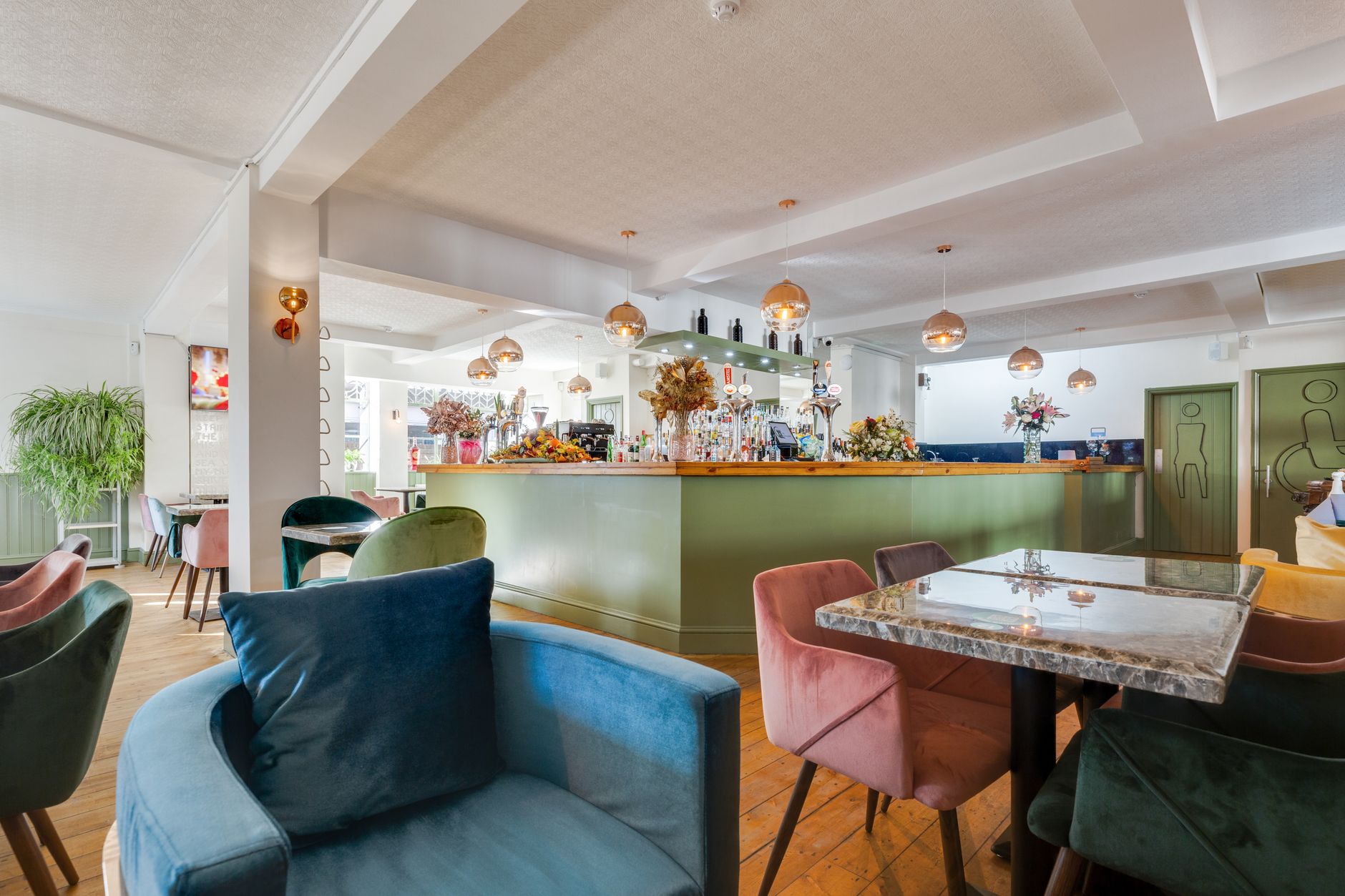
The broader shift toward aesthetic-first lounge spaces reflects changing consumer habits within the nightlife sector. Commercial real estate analysts note that traditional bars relying solely on standard seating and basic drink menus are losing market share to venues that offer explicit visual environments. The Pink Room relies on a cohesive monochromatic color palette, specialized upholstery, and curated ambient lighting to differentiate itself from surrounding establishments. By prioritizing visual design, operators aim to capture a younger demographic that highly values social media shareability when selecting evening outposts.
Building out a venue with high-end thematic design requires substantial up-front capital expenditure compared to traditional neighborhood bars. Commercial interior designers emphasize that bespoke lighting rigs, custom fabrications, and specialized wall treatments significantly increase initial square-foot development costs. For an operation like The Pink Room, these investments are calculated risk assessments intended to drive organic, user-generated marketing across digital platforms.
When patrons share photos and video clips of a venue online, they effectively reduce the establishment's reliance on paid advertising channels. Industry data indicates that venues featuring distinct aesthetic features generate significantly higher organic search volume during their initial opening months. However, high initial capital outlays also mean these establishments must maintain consistent foot traffic and premium beverage pricing to achieve operational profitability. The reliance on viral aesthetic appeal creates a tight timeline for recouping real estate buildout costs.
BEVERAGE PROGRAMMING AND MARGIN MANAGEMENT
While visual aesthetics serve as the primary marketing hook, the long-term economic viability of concept lounges depends on beverage program execution. High-concept venues typically feature specialty cocktail menus designed to complement the interior environment. These menus often utilize premium spirits, house-made syrups, and elaborate garnishes to justify higher price points per unit served.
Spirit margins in luxury lounge settings routinely sit between seventy and eighty percent, helping offset the higher overhead costs associated with prime retail leases and custom interior maintenance. Reporting by MySanAntonio indicates that venues targeting this high-design market segment emphasize signature mixology alongside their visual branding. Ensuring fast ticket times for complex cocktails remains a central operational challenge for high-volume lounge concepts during peak weekend operating hours.
The emergence of venues like The Pink Room reflects broader economic growth across the San Antonio metropolitan area. As population density increases in urban commercial districts, national and regional hospitality groups are competing for prime commercial real estate. Multi-use developments and downtown entertainment corridors have seen elevated lease rates, driving operators to maximize revenue per square foot through premium positioning.
Local demographic trends show an influx of younger professionals with disposable income seeking varied entertainment options. Urban planning experts point out that nightlife corridors with diverse, visually distinct concepts tend to retain foot traffic longer into the evening. By adding specialized cocktail lounges to the local grid, developers enhance the surrounding commercial ecosystem, potentially driving up neighboring retail property values.
A major question facing thematic hospitality concepts is long-term customer retention once the initial visual novelty wears off. Trend-driven venues frequently experience a surge in traffic during their first six to twelve months of operation, followed by potential normalizations in attendance. Successful operators mitigate this decay curve by regularly updating their beverage offerings, hosting specialized events, and continuously adjusting interior elements.
Hospitality consultants stress that design elements must be paired with consistent service standards and competitive product quality. A venue cannot rely indefinitely on an attractive interior if execution at the bar or host stand falters. Long-term profitability requires building a stable base of repeat local clientele alongside the steady stream of first-time visitors seeking photo opportunities.
For consumers, the opening of high-concept spaces like The Pink Room signals a broader availability of specialized nightlife experiences across the city. Patrons can expect top-tier interior environments and meticulously crafted drink menus, though these features typically come with higher per-cocktail prices to offset elevated operator buildout costs.
For real estate observers and hospitality investors, the continued expansion of aesthetic-driven lounges highlights the changing criteria for successful commercial venues. Operating in major urban centers increasingly demands a distinct brand identity, high visual impact, and rigorous cost management across all facets of the beverage program. As the San Antonio market continues to evolve, operators who balance strong spatial design with operational efficiency are best positioned to capture market share.
Sources and methodology
Reported from the public datasets below.
More from the Foodie Pundit Newsroom
- All-Day Hospitality Venues Drive Downtown Raleigh Commercial Real Estate Growth
- Summer Dessert Trends Shift Toward Complex Textures, Botanical Flavors, and High-Margin Visual Innovations
- General Mills Posts Strong Quarterly Revenue as Cereal and Snack Sales Surge
- Artisanal Bakeries Share Professional Lamination Techniques as Pastry Economics Shift
- Summer Dessert Trends Focus on Bold Flavors, Dynamic Textures, and Hybrid Frozen Formats