Foodie Pundit

Visual Dessert Trends Drive Operations and Margins in Modern Retail Bakeries

Rising consumer demand for highly visual and innovative dessert concepts is fundamentally changing production strategies and profit margins across the retail ba

By Foodie Pundit Newsroom - Published - Updated - Section: Desserts Snacks
Visual Dessert Trends Drive Operations and Margins in Modern Retail Bakeries

Key points

  • Bakeries are re-engineering traditional recipes to maximize visual appeal and social media performance.
  • High-labor specialty pastries allow operators to command higher price points and protect profit margins.
  • Ingredient suppliers are developing technical solutions to maintain filling stability in visual desserts.
  • Retail spaces and packaging are being redesigned to preserve and highlight product aesthetics.

The modern bakery counter is undergoing a dramatic shift as digital platforms dictate how visual, complex, and oversized classic baked goods must be to capture consumer attention. Recent industry observations published by Bake Magazine highlight how social media algorithms have reshaped production priorities for retail bakeries across North America. Bakers are no longer simply focused on traditional flavor profiles or morning foot traffic, but are instead engineering products designed to generate viral video engagement. This structural shift is altering everything from ingredient purchasing strategies to kitchen labor allocation and price point positioning.

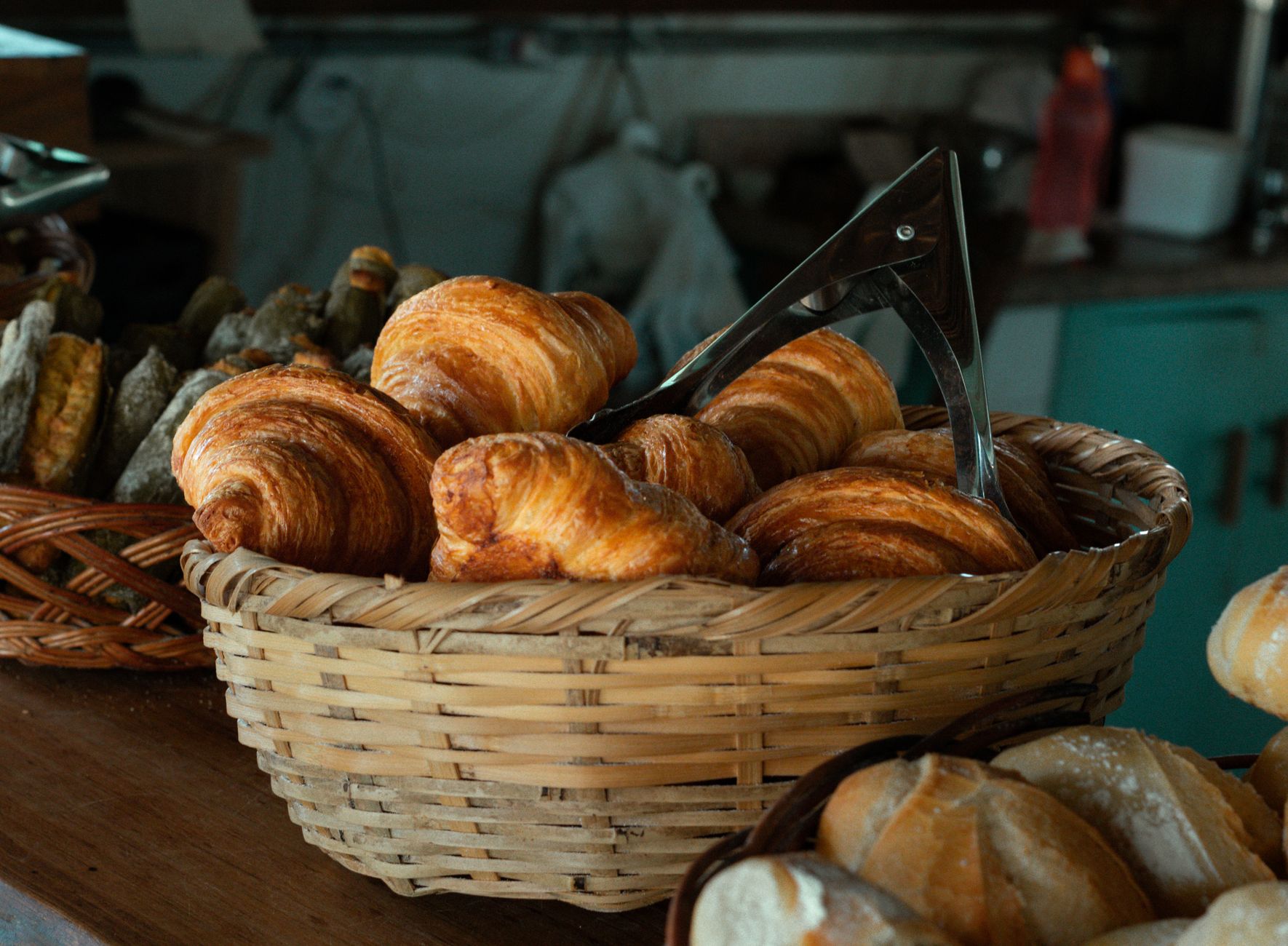
Consumers are increasingly treating high-end pastries as accessible luxury experiences, driving a willingness to pay premium prices for items that offer strong visual appeal. Bakery operators report that dramatic cross-sections, multi-textured fillings, and unexpected flavor pairings generate the highest engagement on platforms like Instagram and TikTok. As a result, commercial kitchens are investing heavily in specialized equipment such as reverse sheeters and precision injection nozzles to ensure maximum visual impact. The traditional croissant, long considered a baseline metric of a baker's skill, has been reinvented into filled cubes, oversized spirals, and dual-colored pinwheels that command prices twice that of traditional offerings.

From an economic perspective, the shift toward hyper-visual, multi-layered desserts is altering operational margins across the independent baking sector. Premium visual pastries require significantly higher labor inputs, as lamination, precision shaping, and elaborate finishing techniques demand skilled workforce hours. To offset rising labor costs, bakeries are introducing these specialized items as limited-run drops, creating artificial scarcity and driving high early-morning demand. Bake Magazine notes that this strategy helps bakeries manage inventory risk while maintaining high gross margins on featured specialty items.

Ingredient supply chains are also adjusting to accommodate the demand for specialized components required by these visual dessert trends. High-fat European butter, specialized cocoa mass, freeze-dried fruit powders, and natural colorants are seeing elevated order volumes from mid-sized commercial bakeries. While input costs for these ingredients remain high, operators are successfully passing these costs on to consumers who view these items as affordable indulgences. The pricing power inherent in visually unique baked goods has provided a crucial buffer for operators facing broader inflationary pressures in rent, energy, and labor.

The rise of short-form video content has fundamentally changed how consumers discover and evaluate food options before making a purchase. Video formats prioritize motion and texture, favoring pastries that feature oozing fillings, crisp cracking sound profiles, or dramatic pulling actions. Bakers are now actively considering how a product will behave on camera during the initial recipe development phase. This reverse-engineering of recipes to fit digital media formats has introduced new technical challenges regarding shelf stability and structural integrity.

To maintain structural stability while delivering maximum visual fluid flow, formulation chemistry has become a central focus for product developers. Fillings must remain stable at ambient temperatures while maintaining a glossy, viscous appearance when sliced or bitten into on camera. Industry suppliers are responding by introducing modified starches, specialty emulsifiers, and stabilized fruit preparations designed specifically to maintain performance under high-heat photographic lighting and extended display conditions. These technical innovations allow smaller retail bakeries to replicate complex textures without sacrificing product consistency.

The physical layout of contemporary retail bakeries is evolving alongside product design to maximize visual impact for incoming foot traffic. Glass display cases are being retrofitted with directional LED lighting optimized to highlight color contrasts and multi-layered lamination structures. Many new bakery concepts are reducing seating areas in favor of expanded viewing windows that allow customers to watch the intricate assembly process in real time. This operational transparency serves a dual purpose, acting as in-person entertainment while reinforcing the artisanal value proposition that justifies higher menu prices.

Furthermore, packaging design has evolved from simple greaseproof paper bags to rigid, custom-molded cardboard boxes that protect delicate decorative toppings during transit. Operators recognize that a damaged pastry undermines the visual appeal that prompted the purchase in the first place. High-end packaging also extends the brand experience into the consumer's home, where unboxing videos generate secondary promotional cycles on social channels. This holistic focus on product presentation from counter to couch has become a baseline operational requirement for competitive urban bakeries.

For retail consumers, the rise of visually engineered pastries means access to highly creative, premium dessert concepts, albeit at higher price points than traditional baked goods. As bakeries focus resources on specialized, photo-ready items, customers can expect to see higher menu diversity and more frequent seasonal rotations. However, this trend also means that traditional, low-margin bakery staples may occupy less display space or see modest price increases to subsidize complex production processes. Understanding these industry mechanics helps consumers navigate menu pricing and appreciate the labor-intensive craftsmanship behind today's viral bakery offerings.

Sources and methodology

Reported from the public datasets below.

All sources Foodie Pundit reports from

More from the Foodie Pundit Newsroom

Permalink