The Sunshine Vitamin
A receptor discovered decades ago is rewriting the rules of health, from our bones to our brains. Here's why your diet is the key to unlocking its full potentia
By Foodie Pundit Newsroom - Published - Section: Health Nutrition
Key points
- The Vitamin D Receptor (VDR) is a crucial protein that acts as a docking station for vitamin D, turning it into a powerful signal that can switch genes on and off throughout the body.
- Beyond its well-known role in bone health, the VDR influences a vast network of biological processes, including immune function, metabolism, and cellular growth in various tissues.
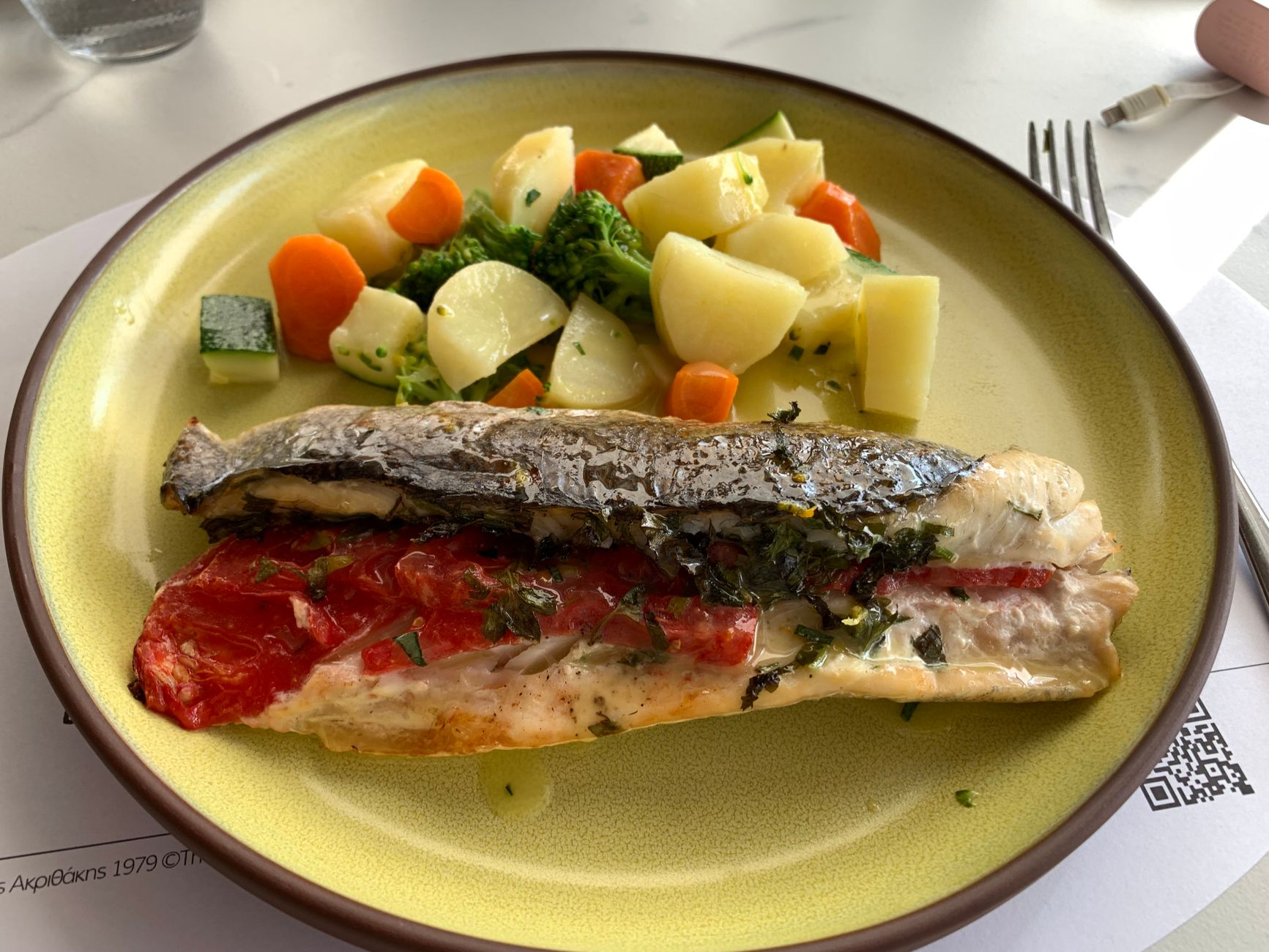
- Diet is a critical source of vitamin D, as sun exposure is often unreliable. Fatty fish and fortified foods like milk and cereals are key for providing the fuel your VDR needs.
- The effectiveness of the VDR can be influenced by other factors, including your gut microbiome and your intake of other nutrients like vitamin A, highlighting the interconnectedness of nutrition.
- Future health therapies may target the VDR in specific tissues to treat diseases, but for now, ensuring adequate vitamin D intake through diet, sensible sun exposure, or supplements remains a key strategy for overall health.
This report is part of Foodie Pundit premium coverage. Foodie Pundit members read the full story. See membership.
Sources and methodology
Reported from primary records. Open any source to verify a claim.
More from the Foodie Pundit Newsroom
- Your Brain on Ginseng: The Ancient Root Getting a Modern Mood-Boosting Makeover
- Pentagon City Emerges as a Key Regional Hub for New Dining Concepts
- The Commercial Decline of Girl Dinner and the Return of the Hot Meal
- Fast Casual Chains Quietly Scale Back Store Footprints As Operating Costs Rise
- How an Unlimited Shrimp Deal Tanked a Casual Dining Giant