Walmart and Target Transform Digital Grocery Strategy to Win Gen Z Shoppers
Mass merchants are revamping app features, cutting prices on essentials, and capturing younger shoppers with dynamic digital experiences.
By Foodie Pundit Newsroom - Published - Updated - Section: Food Tech
Key points
- Walmart and Target are overhauling their mobile applications to offer personalized, trend-driven grocery experiences for Generation Z.
- Strategic price reductions and expanded private-label offerings are helping big-box chains appeal to price-sensitive young shoppers.
- Logistics automation and micro-fulfillment centers are enabling faster same-day pickup and delivery while keeping operational costs low.
- Traditional supermarkets and restaurant operators face increased competition as big-box retailers capture a larger share of food spending.
Retail giants Walmart and Target are fundamentally reshaping how younger consumers purchase food, turning routine grocery runs into highly dynamic digital experiences. Driven by shifting consumer preferences and rising food costs, these big-box powerhouses are revamping their mobile applications, adjusting pricing strategies, and deploying targeted product offerings. The move represents an aggressive push to capture long-term loyalty from Generation Z shoppers, a demographic that views food shopping through a vastly different lens than previous generations.
According to reporting from Supermarket News, both retailers are investing heavily in tech-forward solutions that bridge the gap between digital convenience and brick-and-mortar affordability. Generation Z consumers, born between 1997 and 2012, are entering their prime earning and spending years. However, high inflation and economic uncertainty have made this cohort acutely price sensitive. To win them over, mass merchants are moving away from traditional marketing flyers and static store displays, opting instead for personalized digital ecosystems that cater to social media trends and rapid home fulfillment.
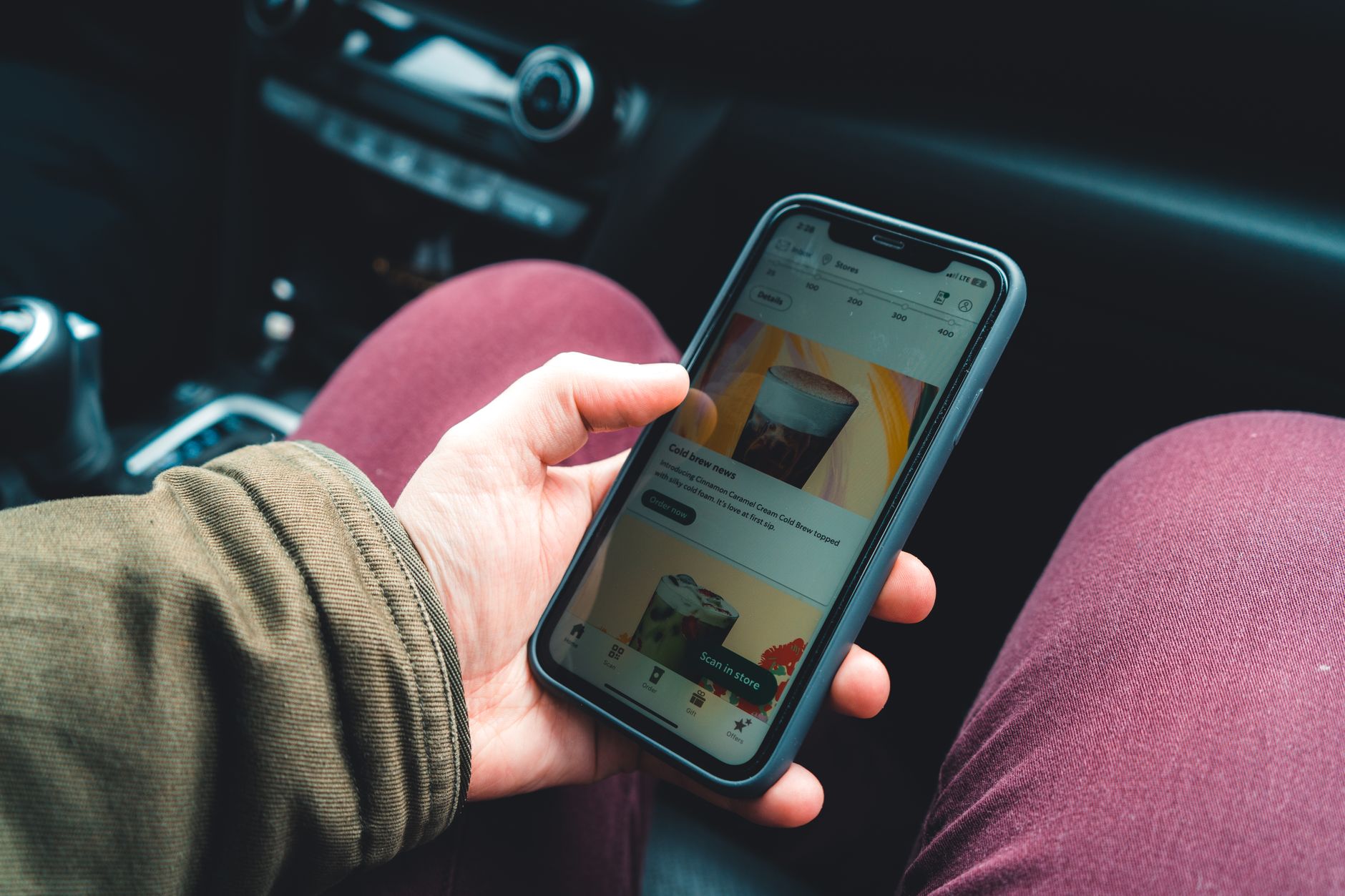
The modern battle for market share is being fought on mobile screens long before a shopper ever walks through store doors. Both Walmart and Target have overhauled their mobile platforms to emphasize tailored recommendations, real-time inventory tracking, and seamless integration with social commerce. These app updates allow users to save customized shopping lists, receive instant alerts on targeted promotions, and easily reorder staple pantry items with a single tap.
For younger shoppers, the convenience of digital curation is just as critical as product selection. Target has leaned into its popular circle loyalty program and curated lifestyle collections, emphasizing quick pickup options such as same-day drive up services. Walmart, meanwhile, has doubled down on its digital marketplace integration and automated fulfillment centers, ensuring that low prices are matched with fast, reliable delivery options. These technological enhancements have transformed mobile apps from simple shopping tools into engaging daily utility platforms.
Value remains the primary driver for consumer decision-making in the current grocery landscape. Recognizing that young adults are actively seeking ways to stretch their budgets, both retail chains are deploying competitive pricing models designed to highlight affordability. Walmart continues to leverage its massive scale to keep everyday low prices on staple food items, while Target has announced strategic price cuts across hundreds of essential pantry goods and private label products.
The strategy extends beyond simple discounting to focus heavily on value perception. Supermarket News notes that younger shoppers are particularly drawn to store brands that offer high-quality ingredients at a fraction of the cost of legacy consumer packaged goods. Target's Good and Gather line and Walmart's Great Value and Bettergoods brands have seen significant traction among younger demographics. By offering aesthetically pleasing, trend-focused private label products at accessible price points, both retailers are effectively reframing private label items as desirable choices rather than cheap compromises.
SOCIAL MEDIA AND TREND-DRIVEN FOOD CULTURE
The influence of viral culinary trends on food purchasing habits cannot be overstated in today's retail market. Social media platforms like TikTok and Instagram have become major drivers of impulse grocery purchases, with viral recipes creating sudden spikes in demand for specific ingredients. Both Walmart and Target are adapting to this fast-moving culture by aligning their inventory and digital promotions with trending culinary concepts.
When a specific recipe goes viral online, these retailers are increasingly using their app algorithms to bundle necessary ingredients for easy one-click purchasing. Additionally, both companies are actively partnering with popular digital influencers and expanding their store shelves to include boutique, trendy beverage and snack brands that originated as direct-to-consumer products. By keeping their food aisles culturally relevant, the retail giants ensure they remain top-of-mind for trend-conscious shoppers.
Behind the user-friendly apps and trendy product displays lies a complex logistics network engineered for speed and accuracy. To sustain competitive prices and support rapid delivery, both companies are pouring capital into backend supply chain automation. Micro-fulfillment centers located inside or adjacent to existing stores allow workers to pick and package digital orders in a matter of minutes, significantly cutting down operational costs.
These logistics investments are crucial for maintaining margins while offering low prices to consumers. Automated inventory management minimizes store-level stockouts, ensuring that when a customer places an order via a mobile app, the items are readily available. The seamless coordination between backend supply chain technology and frontend digital design creates a frictionless experience that appeals directly to time-strapped young shoppers who prioritize efficiency above all else.
For everyday shoppers and restaurant industry observers, the aggressive push by Walmart and Target signals a permanent shift in how food is sold and consumed. Traditional grocery stores are facing intense pressure to lower prices, enhance their digital tools, and rethink their private label strategies to remain competitive. As big-box retailers capture a larger share of the younger demographic's food spend, traditional supermarkets may be forced to consolidate or heavily invest in their own tech infrastructures to keep pace.
For consumers, this heightened competition yields immediate benefits in the form of lower prices, better app functionality, and a wider variety of affordable private-label foods. However, it also means that dining out faces stiffer competition from home cooking solutions that are both trendy and cost-effective. As mass merchants continue to refine their digital grocery models, the line between retail food shopping, convenience fulfillment, and casual dining will continue to blur, reshaping the economic landscape for the entire food industry.