Watermelon and Mustard Trend Captivates Social Media and Tests Flavor Science
A viral social media trend pairing sweet summer melon with tangy yellow mustard is generating massive online engagement and driving consumer curiosity.
By Foodie Pundit Newsroom - Published - Section: Social Virality
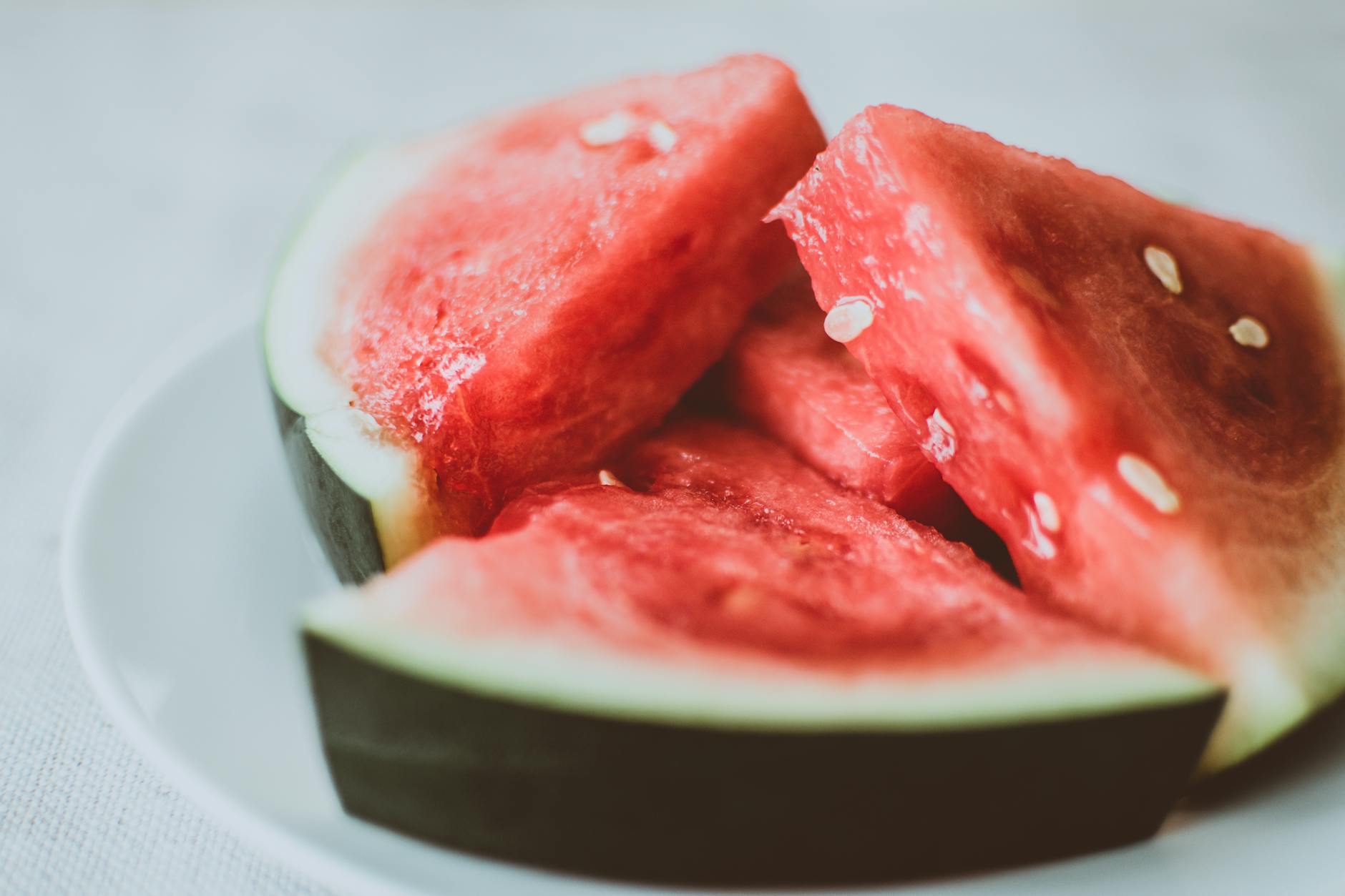
Key points
- A viral TikTok trend featuring watermelon paired with yellow mustard has sparked millions of online views and widespread culinary debate.
- Food scientists explain that the combination works because the acidity and salt in mustard balance the natural sugars in the fruit.
- The trend reflects historical regional traditions of pairing sweet fruits with savory, salty, or spicy condiments.
- Restaurant developers and grocery brands monitor these short term viral fads to gauge evolving consumer appetite for sweet and savory combinations.
The viral nature of social media platforms has repeatedly transformed unusual food pairings into overnight retail and cultural phenomena. The latest trend capturing widespread attention involves squeezing traditional yellow mustard directly onto fresh slices of watermelon. What started as a casual video experiment on TikTok has rapidly evolved into a global culinary conversation, prompting millions of views, grocery store runs, and heated debate among food enthusiasts.
While odd food combinations are far from new, the speed at which this specific pairing achieved virality highlights the powerful intersection of digital content, consumer curiosity, and low barrier novelty. Anyone with a slice of melon and a standard condiment bottle can participate in the challenge immediately. The low cost and total accessibility of both ingredients have fueled unprecedented engagement across demographic lines.
The current wave of interest began when content creators began posting short videos reacting to the unusual pairing of sweet summer fruit and tangy condiment. Early videos showed creators expressing skepticism before taking a bite, followed by surprising endorsements of the flavor profile. These dramatic reactions provided the exact visual narrative that algorithms favor, driving millions of impressions within a matter of days.
Reporting by TODAY underscored how quickly the digital dare crossed over into mainstream food media. Newsrooms and test kitchens across the country rushed to replicate the experiment to determine whether the combination possessed genuine culinary merit or was merely a shock value stunt. The trend quickly demonstrated how social platforms can dictate short term consumer eating habits overnight.
Beyond the initial shock value, food scientists and chefs note that the combination relies on well established principles of taste balancing. Watermelon is dominated by sugar and high water content, providing a light, refreshing sweetness. Yellow mustard, on the other hand, relies heavily on vinegar, salt, and ground mustard seed to deliver sharp acidity and subtle heat.
When combined, the acidity and saltiness of the mustard act as a counterweight to the intense sweetness of the melon. Salt has long been used to enhance the natural sugars in fruit, a common practice in many southern regional cuisines. Vinegar cuts through the sweetness in a manner similar to balsamic reductions used on strawberries or peaches, creating a complex contrast on the palate.
While the trend originated in home kitchens and digital feeds, the broader food service industry monitors these viral movements closely. Menu developers often analyze social media food fads to identify emerging consumer preferences for contrasting flavor profiles. Sweet and savory combinations, colloquially known as swavoury, have dominated new product launches across major food brands for several years.
Grocery distributors and agricultural boards also keep a watchful eye on these fleeting moments of internet fame. A sudden spike in consumer interest during peak watermelon season can influence impulse purchases at the supermarket level. Condiment manufacturers stand to benefit when traditional household staples are repositioned as novel ingredient pairings for adventurous eaters.
Putting non traditional toppings on fruit is not a novel concept in global gastronomy. In Mexico, fresh fruits such as mango, cucumber, and watermelon are routinely seasoned with chili powder, salt, and lime juice or topped with savory chamoy sauce. In parts of the American South, dusting fresh watermelon slices with a pinch of table salt is a deeply rooted summer tradition.
The addition of yellow mustard simply replaces salt and lime with a pre packaged liquid condiment that provides identical taste components. Understanding this historical context helps explain why the combination functions better than most skeptics expect. The pairing leverages the foundational element of balancing sweet, salty, and acidic flavors, even if the delivery method appears unorthodox to uninitiated diners.
Media outlets that tested the trend, including the food desk at TODAY, reported mixed but surprisingly positive reactions from tasters. Many reviewers noted that while the visual presentation is unappealing, the actual taste experience is balanced. The strong vinegar punch of the mustard recedes quickly, leaving behind a subtle tang that highlights the crisp texture of the fruit.
However, the pairing remains polarizing. Detractors maintain that the distinct aroma of turmeric and mustard seed overpowers the delicate aromatic qualities of fresh fruit. For many casual consumers, the visual imagery of yellow sauce smeared over red melon creates an obstacle that prevents them from enjoying the actual flavor balance.
For the average consumer, the watermelon and mustard craze is a harmless and inexpensive culinary experiment to try at home. It costs almost nothing to test a drop of mustard on a fruit slice you likely already have in your refrigerator. If you enjoy sour, salty, and sweet flavor profiles, you may find the combination surprisingly pleasant during warm weather months.
From an industry perspective, this trend serves as a reminder that consumer taste preferences are increasingly shaped by online video platforms rather than traditional restaurant menus. Operators and food marketers will continue monitoring these viral phenomena to anticipate the next wave of unexpected flavor trends. Whether this specific pairing endures or fades by next season, the underlying demand for bold, contrasting flavor combinations remains a permanent fixture of modern dining culture.
Sources and methodology
Reported from the public datasets below.
More from the Foodie Pundit Newsroom
- Viral Watermelon and Mustard Trend Highlights the Power of Social Media Flavor Experiments
- Half-Century Legacy Ends as Iconic Bay Area Diner Prepares for Final Service
- Fast Food Restructuring Accelerates as Legacy Chains Close Locations Nationwide
- Tom Kerridge Pivots Strategic Focus to London as Regional Pub Landscape Faces Cost Pressures
- End of an Era: Beloved 42-Year-Old Bay Area Diner Shutters Permanently