Watermelon and Mustard Trend Signals Shifting Consumer Flavor Preferences
An unconventional viral food pairing highlights how social media trends reshape consumer tastes and influence restaurant menu innovation.
By Foodie Pundit Newsroom - Published - Section: Social Virality
Key points
- Social media continues to accelerate the adoption of unconventional sweet and savory flavor combinations.
- The pairing of watermelon and yellow mustard relies on fundamental flavor science that enhances natural sweetness through acidity and salt.
- Low-cost pantry staples allow viral food trends to achieve rapid, widespread consumer participation.
- Restaurant operators track digital food trends to create innovative limited-time menu offerings.
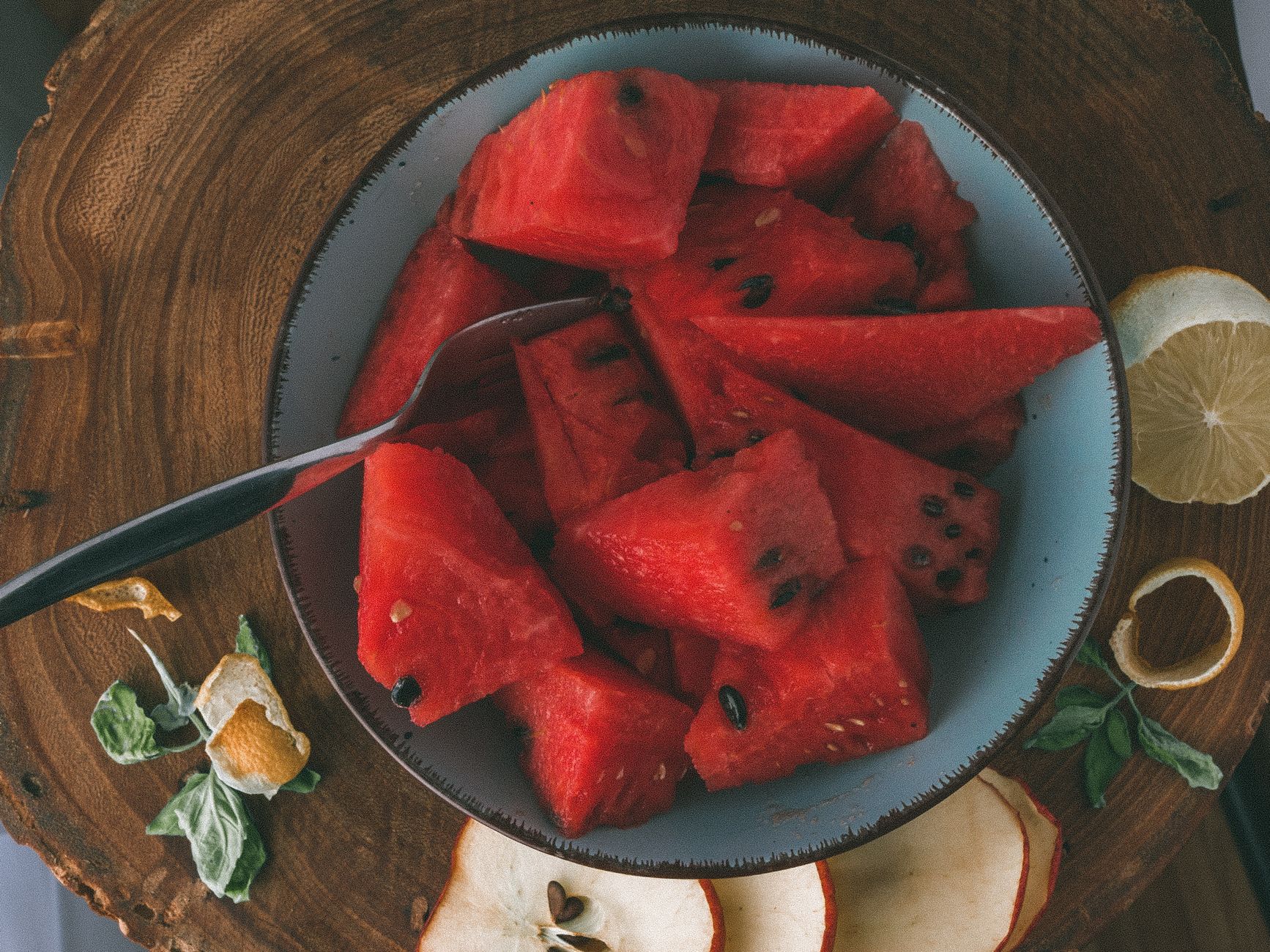
The digital landscape is currently witnessing an unprecedented surge in unexpected food combinations, driven largely by viral short-form video platforms. The latest culinary sensation captivating millions of viewers involves pairing fresh sliced watermelon with yellow mustard. While the combination sounds contradictory to traditional palates, social media users and food influencers are flocking to test the trend firsthand. This phenomenon highlights a growing movement where unconventional flavor pairings migrate rapidly from user-generated content to mainstream consumer consciousness.
Reporting originally published by TODAY explored the origins and sudden explosion of this specific food experiment. The trend gained momentum after several high-profile content creators posted video clips depicting their initial reactions to taking a bite of yellow mustard squeezed directly onto a crisp wedge of watermelon. The contrast between sweet summer fruit and tangy, vinegary condiment has sparked heated debate across comment sections. While some creators express visible shock at how well the components complement each other, others dismiss it as an attention-grabbing stunt designed purely for algorithmic reach.
To understand why such a polarizing combination achieves traction, food scientists and culinary experts often look to the principles of flavor pairing. Watermelon consists mostly of water, natural sugars, and mild botanical compounds that provide a refreshing, sweet baseline. Yellow mustard, on the other hand, delivers sharp acidity, sodium, and a distinct punch of turmeric and mustard seed. When combined, the intense tartness and saltiness of the condiment can theoretically suppress the perception of bitterness while enhancing the underlying sweetness of the melon.
This chemical interaction is not entirely foreign to established global cuisines. In many cultures, pairing sweet fruit with savory, salty, or spicy elements is a long-standing tradition. Mexican street vendors routinely dress fresh watermelon, mango, and pineapple with chili powder, lime juice, and salt.
In Mediterranean diets, the pairing of sweet watermelon with salty feta cheese and crisp mint is considered a classic summer dish. The yellow mustard trend essentially repackages this fundamental sweet and savory contrast into a modern, accessible format using standard pantry staples.
OPERATIONAL IMPACT ON THE FOOD SERVICE INDUSTRY
While viral food trends often begin in home kitchens, their downstream impact on the restaurant and retail sectors can be substantial. Foodservice operators closely track these digital fads to gauge shifting consumer curiosity and adventurousness. When a viral combination achieves critical mass, menus often adapt by incorporating similar flavor profiles in more refined formats. A casual dining establishment might not put raw mustard on watermelon slices, but a chef might develop a watermelon salad dressed with a mustard seed vinaigrette or a mustard-glazed pork dish featuring watermelon reduction.
The rapid viral cycle presents both opportunities and risks for restaurant operators. Incorporating trendy ingredients can drive immediate traffic among younger demographics seeking novelty. However, menu development requires careful balance, as adding hyper-specific trend items can strain supply chains and create waste if consumer interest evaporates overnight. Successful operators tend to use limited-time offerings to test these adventurous flavor combinations without committing long-term real estate on their core menus.
The economics driving these viral culinary experiments are fundamentally tied to digital engagement metrics. For social media creators, testing controversial or unexpected food pairings serves as a reliable mechanism to generate comments, shares, and watch time. The low barrier to entry for this specific trend contributes heavily to its widespread dissemination. Yellow watermelon and a standard squeeze bottle of yellow mustard are inexpensive, readily available items that almost any consumer can purchase for just a few dollars.
This accessibility democratizes participation in the trend, allowing ordinary consumers to replicate the experience at home and post their own reaction videos. The resulting feedback loop creates a massive volume of free, organic publicity for both the commodity fruit sector and condiment manufacturers. As millions of viewers watch their favorite creators sample the dish, demand for basic grocery staples experiences a brief, noticeable spike, demonstrating the profound influence of digital media on immediate retail buying behavior.
For the average consumer, viral food trends like watermelon and mustard offer a low-risk opportunity to experiment with flavor theory in your own kitchen. You do not need expensive ingredients or advanced culinary training to participate in these cultural moments. Understanding the science behind why sweet and tangy elements work together can help you become a more confident and creative cook when preparing everyday meals.
For restaurant diners, expect to see an increasing number of adventurous flavor pairings popping up on local menus. Chefs are paying close attention to what captures the public imagination online, using those insights to design innovative dishes that push culinary boundaries. Whether you choose to squeeze mustard on your summer fruit or simply observe the debate from afar, these trends signal a dynamic shift toward bolder, more playful dining experiences.
Sources and methodology
Reported from the public datasets below.
More from the Foodie Pundit Newsroom
- The Lobster Tan Craze Exposes Deep Risks Behind Social Media Trends
- Legacy Fast Food Brands Face Mounting Closures as Operational Costs Soar
- Viral Seafood Metaphor Sparks Health Warnings and Changes Outdoor Dining Trends
- Miso Chocolate Tarts Lead Industry Push Toward Savory Sweet Innovations
- Truffle Poulet and Fusion Menus Drive Spring Restaurant Revenue Growth