Foodie Pundit

Wave of Restaurant Chain Bankruptcies Accelerates Under Weight of Labor and Debt Costs

Persistent inflation, high labor expenses, and heavy debt loads force casual dining and fast-casual brands into Chapter 11 restructuring.

By Foodie Pundit Newsroom - Published - Updated - Section: Closings Bankruptcies
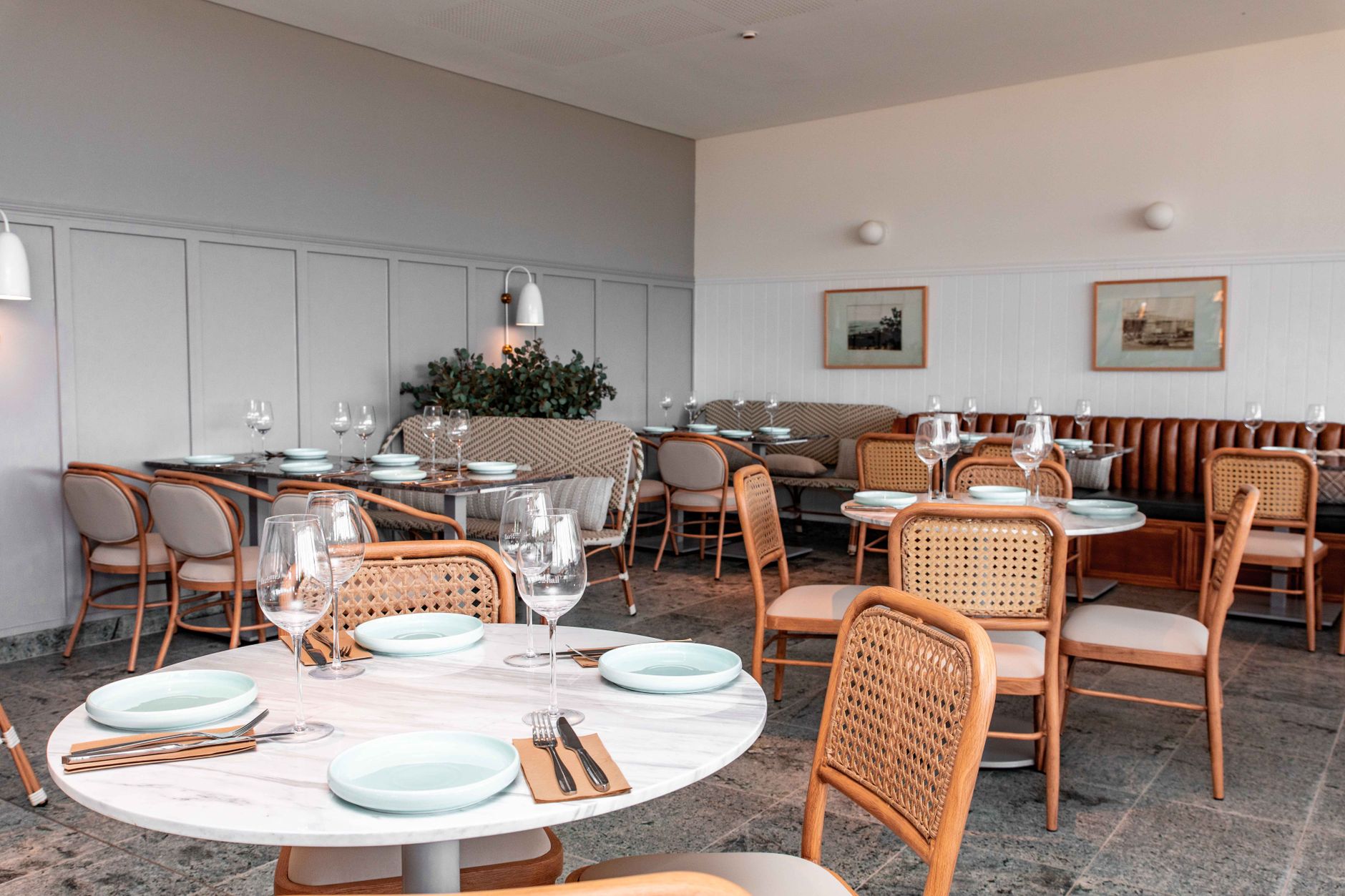
Wave of Restaurant Chain Bankruptcies Accelerates Under Weight of Labor and Debt Costs

Key points

  • Cumulative inflation and sustained high labor costs continue to compress operating margins across the restaurant sector.
  • Rising interest rates have made legacy debt service unsustainable for heavily leveraged multi-unit chain operators.
  • Chapter 11 filings allow brands to close unprofitable store locations and reject costly real estate leases.
  • Consumers will likely see underperforming chain locations close while surviving units streamline menu offerings.

The restaurant sector is facing a severe wave of financial distress as persistent inflation, elevated interest rates, and stubborn labor shortages converge on mid-sized chain operators. Recent regulatory filings and industry reports highlight a growing list of regional and national brands forced to restructure under Chapter 11 bankruptcy protection. According to reporting by Nation's Restaurant News, these filings reflect deep systemic pressures that have been compounding across the industry for more than three years. Operators that managed to survive the initial disruptions of the pandemic are now finding their reserves depleted and their profit margins squeezed to sustainable limits.

Consumer spending habits have shifted dramatically over the past eighteen months, placing additional strain on casual dining and quick-service establishments alike. As everyday food costs at grocery stores remain high, diners are trimming discretionary spending and reducing the frequency of their restaurant visits. When consumers do choose to eat out, they are increasingly seeking value meals, trading down from casual dining to fast casual, or using digital promotions to minimize ticket totals. This shift in traffic patterns has left many chain operators with declining sales figures even as their operational overhead continues to rise.

Managing labor expenses has become the primary operational hurdle for multi-unit restaurant companies nationwide. Statutorily mandated minimum wage increases across multiple key states, paired with intense local competition for experienced kitchen personnel, have driven base pay significantly higher. To retain staff and maintain basic operational hours, chains have been forced to offer higher wages, signing bonuses, and expanded benefits packages. Despite these costly incentives, many locations still operate with abbreviated hours or capped seating capacities due to persistent staffing gaps, directly capping potential revenue.

At the same time, wholesale food supply chains continue to present unpredictability and elevated price tags. While headline inflation metrics have cooled from their peak levels, essential menu inputs such as beef, poultry, dairy, and specialized paper packaging remain far above historical averages. Restaurant chains operating under long-term supplier agreements have faced difficult renegotiations, often absorbs cost increases that cannot be fully passed along to budget-conscious guests. The resulting margin compression has made it nearly impossible for heavily leveraged companies to meet their monthly debt obligations.

Much of the current wave of insolvency stems from corporate financial decisions made during the era of historically low interest rates. Many private equity groups and corporate parent entities loaded restaurant chains with floating-rate debt to fund rapid store expansion, physical remodeling, or dividend recapitalizations. As central banks raised interest rates to combat broader economic inflation, the cost of servicing that debt skyrocketed. Refinancing maturing loans has become extraordinarily difficult, as commercial lenders tighten credit standards and demand higher yields for hospitality assets.

Furthermore, post-pandemic real estate strategies have backfired for several multi-unit operators. Chains that aggressively signed expensive long-term leases in high-traffic urban centers or newly developed suburban strip malls are now locked into exorbitant fixed overhead costs. When sales volume at these new locations failed to match initial corporate forecasts, the underperforming units began dragging down the profitability of the entire enterprise. Without the financial flexibility to exit expensive leases quickly outside of court supervision, Chapter 11 has become the primary mechanism for companies to trim non-performing locations.

Entering Chapter 11 bankruptcy protection does not necessarily spell the end for a distressed restaurant brand. Instead, it provides a legal framework for corporate leadership to reject unprofitable real estate leases, renegotiate terms with primary vendors, and restructure balance sheets. During the restructuring process, most brands continue operating their top-performing locations while securing debtor-in-possession financing to keep supply lines open and payroll funded. Successful reorganizations often yield leaner, more digitally focused operational models that prioritize core menu items and smaller store footprints.

Industry analysts expect the trend of restructuring filings to persist through the upcoming fiscal quarters. Smaller regional chains and middle-market brand concepts remain the most vulnerable, lacking the immense purchasing scale and marketing budgets of mega-chains. To survive without court intervention, operators are aggressively streamlining core menus, investing in kitchen automation tech, and renegotiating vendor contracts to protect baseline cash flow. Brands that fail to adjust their cost structures swiftly risk liquidating entirely through Chapter 7 proceedings or being sold off at steep discounts.

For the average consumer, these corporate bankruptcies will primarily result in a shifting local restaurant landscape. Diners may notice unexpected closures of underperforming chain locations in their neighborhood shopping centers over the coming months. Brands that successfully emerge from court protection are likely to feature simplified menus, pared-back operational hours, and an increased reliance on self-service kiosks or mobile ordering channels.

From a financial perspective, consumers should expect menu prices at surviving casual and fast-casual chains to remain firm. Operators cannot afford to launch deep price cuts while their labor and real estate costs remain elevated, meaning value promotions will likely be targeted strictly through proprietary digital apps and loyalty programs. Supporting local dining establishments and tracking digital rewards will remain the most effective strategy for diners looking to manage their food budgets while navigating a changing industry landscape.

Sources and methodology

Reported from the public datasets below.

All sources Foodie Pundit reports from

More from the Foodie Pundit Newsroom

Permalink