What Happened to All the Big Carrots?
A confluence of climate volatility and shifting consumer demand is quietly reshaping the size, price, and availability of America's favorite root vegetable.
By Foodie Pundit Newsroom - Published - Updated - Section: Sustainability
Key points
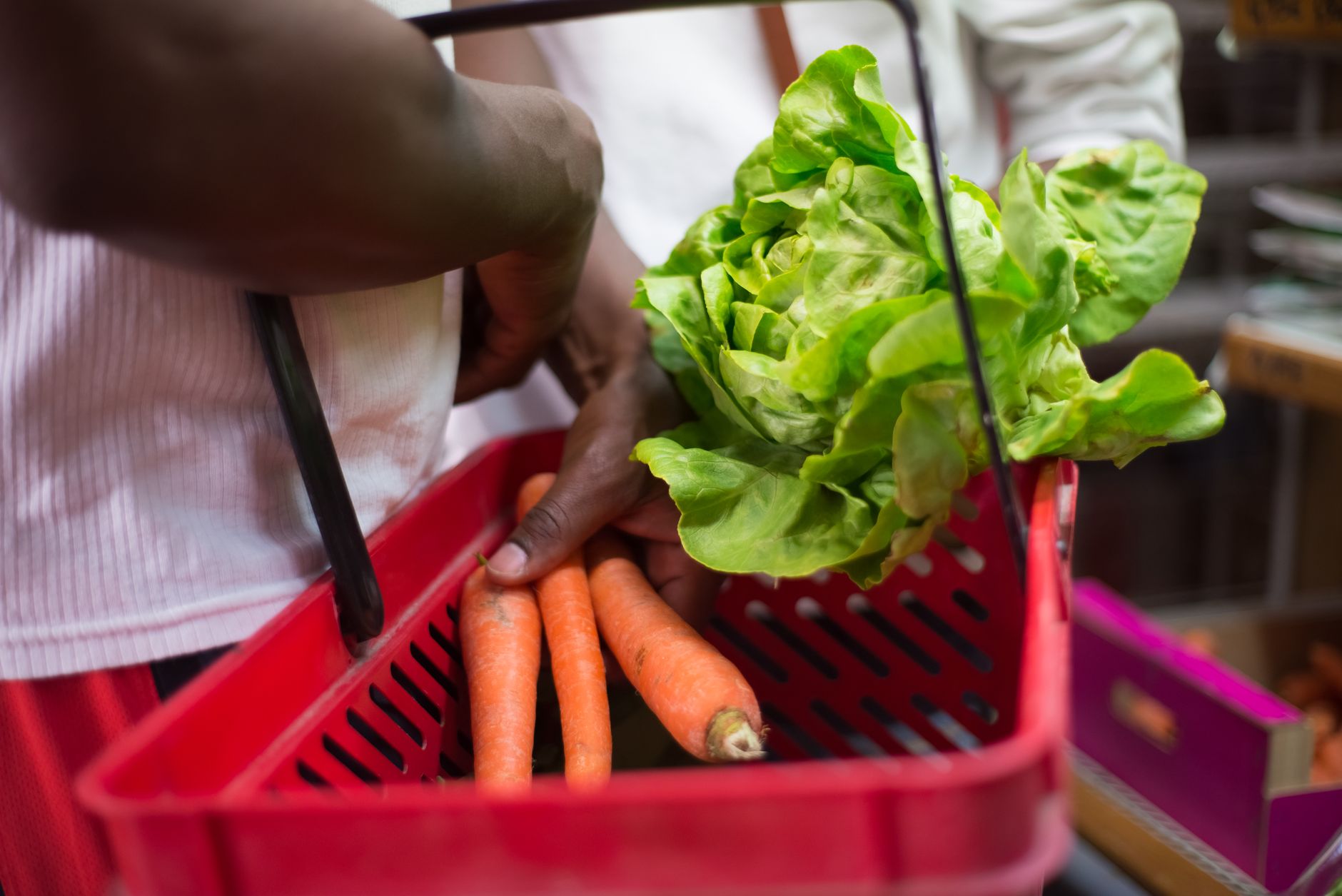
- The American carrot industry has shifted from selling large, whole carrots to producing "baby" carrots, which now make up over 70% of sales.
- Climate change, particularly drought and extreme weather in California, makes growing smaller, faster-harvested carrots for processing a less risky option for farmers.
- The dominance of processed baby carrots has led to a decline in crop diversity, as farmers favor uniform varieties suitable for industrial milling over more flavorful heirloom types.
- While baby carrots offer convenience and price stability, they are a manufactured product that involves more processing and may have a slightly different nutritional profile than whole carrots.
- Consumers seeking large, flavorful carrots may need to look to farmers markets or specialty grocers, as supermarkets increasingly prioritize convenient, processed options.
This report is part of Foodie Pundit premium coverage. Foodie Pundit members read the full story. See membership.
Sources and methodology
Reported from the public datasets below.
More from the Foodie Pundit Newsroom
- Top-Shelf Pivot: How Premium Wine and Spirits Are Reshaping Restaurant Economics
- Grocery Prices Surge to New Heights as Economists Warn of Prolonged Household Strain
- Pentagon City Emerges as a Regional Dining Hotspot as Diverse Concepts Open
- Luxury Dining Redefines Value Through Immersive Experience Design
- Grocery Inflation Cools as Major Retailer Signals Price Growth Stabilization