Whole Foods Appoints New Regional Vice President To Oversee Northeast Operations
A major leadership shift at Whole Foods Market signals potential changes for store operations and local brand procurement across northeastern stores.
By Foodie Pundit Newsroom - Published - Updated - Section: Restaurants
Key points
- Whole Foods Market has appointed a new vice president to lead its high-volume Northeast region.
- The transition comes amid heightened competition from regional grocers and discount chains in dense urban markets.
- Industry observers expect potential shifts in local vendor procurement, micro-fulfillment logistics, and store technology.
- The Northeast region serves as a crucial economic testing ground for broader national retail strategies.
The specialty grocery landscape in the northeastern United States is entering a pivotal transition period following a major leadership shift at Whole Foods Market. Parent company Amazon has appointed a new vice president to oversee operations across the crucial Northeast region, marking a strategic pivot for one of the grocer's most competitive and high-volume territories. Industry analysts view this regional command change as a clear signal that the retailer intends to revamp its store operations, supply chain efficiency, and customer experience across dense urban centers and suburban hubs.
According to reporting from Supermarket News, the leadership change arrives at a moment when traditional natural foods retailers face intense pressure from conventional supermarket chains, discount grocers, and specialized online delivery services. The Northeast region represents a significant portion of the total sales volume for Whole Foods Market, driven by high-density metropolitan markets including New York City, Boston, and Philadelphia. Managing these complex logistics networks requires a delicate balance between maintaining localized sourcing standards and executing corporate efficiency mandates.
The appointment comes after several years of steady operational integration between Whole Foods Market and Amazon. While this integration has streamlined digital fulfillment and expanded loyalty benefits for Prime subscribers, it has also created distinct operational challenges for physical store managers. The incoming regional leader will be tasked with optimizing inventory turnover, addressing labor allocation hurdles, and ensuring that regional store layouts align with shifting urban consumer behaviors.
The northeastern grocery corridor is widely regarded by industry experts as one of the most volatile retail environments in North America. Regional powerhouses, specialty boutique grocers, and expanding European discount chains have aggressively targeted the health-conscious demographic historically dominated by Whole Foods. To retain market share, the new executive will need to address both pricing perceptions and product differentiation across hundreds of locations.
Supermarket News notes that retail observers are closely watching how this leadership transition will affect store-level decision making and vendor relationships. Regional suppliers and local artisanal brands have historically relied on regional vice presidents to secure shelf space and promotional placement within local stores. Shifts in regional leadership often result in recalibrated procurement strategies, which can alter the mix of hyper-local products versus centralized national brands on store shelves.
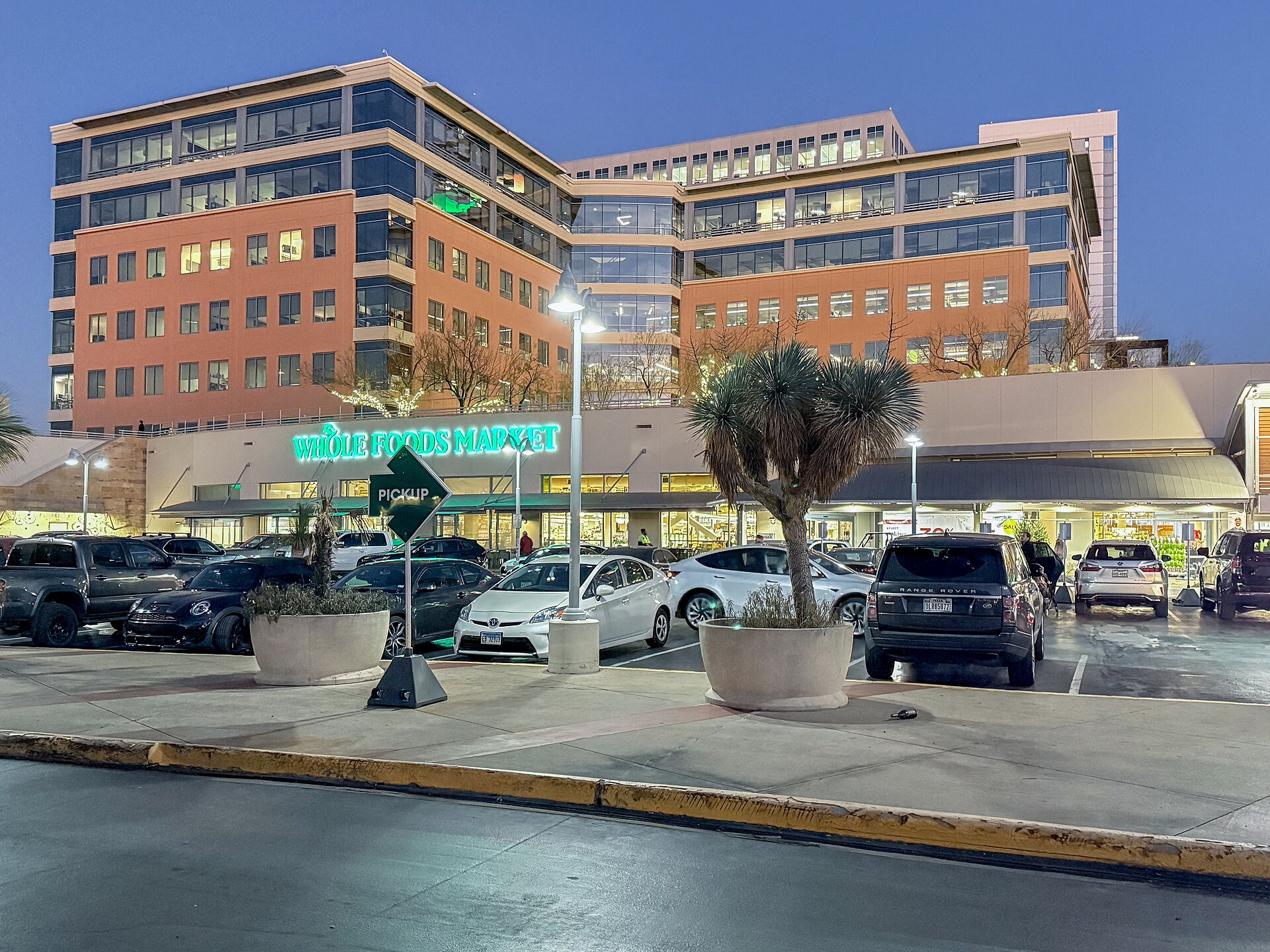
Furthermore, the physical footprint of Northeast stores presents unique spatial and logistical challenges compared to suburban locations in the Sunbelt or Midwest. Urban store formats in Manhattan and Boston require specialized inventory delivery schedules, smaller back-of-house storage spaces, and high-throughput point-of-sale systems. Navigating these micro-logistics while maintaining profitability will be an immediate priority for the newly appointed vice president.
BALANCING AUTOMATION AND SPECIALTY RETAIL
A central mandate for any incoming Whole Foods regional leader is managing the ongoing technological evolution within physical store aisles. Amazon has increasingly introduced automated inventory tracking, micro-fulfillment centers, and streamlined checkout options across select retail locations. Implementing these technological upgrades without eroding the high-touch, service-oriented atmosphere that built the original brand remains a delicate balancing act.
Industry consultants suggest that the new Northeast leadership will likely focus on refining micro-fulfillment operations embedded within existing retail stores. As online grocery ordering and rapid home delivery remain popular choices among urban consumers, stores must function simultaneously as retail showrooms and high-speed distribution hubs. Managing this dual-purpose operational model requires strict oversight to prevent aisle congestion and inventory stockouts during peak shopping hours.
Labor management represents another major focus area for the incoming executive team. Staffing challenges, rising wage floors, and unionization discussions across the retail sector have added layers of complexity to daily store management. Establishing stable store-level leadership and clear operational standards will be essential for maintaining employee retention and high customer service metrics across the regional store portfolio.
THE BROADER IMPACT ON GROCERY RETAIL ECONOMICS
The executive shift at Whole Foods reflects broader economic realities shaping the entire grocery industry today. Food inflation, shifting consumer spending power, and rising commercial real estate costs in major northeastern metros have forced food retailers to scrutinize margins with unprecedented rigor. Strategic decisions made in this high-profile region often serve as a testing ground for broader national rollouts across the enterprise.
Competitors across the grocery sector are expected to closely monitor the regional unit's performance metrics and merchandising shifts over the coming quarters. Changes in pricing strategy, promotional cadence, or local brand sourcing could prompt counter-moves from regional supermarket chains seeking to capture market share. The ability of the new leadership team to drive top-line revenue while controlling operating costs will serve as a key benchmark for the executive board.
As the transitional strategy unfolds, industry observers anticipate targeted store updates, refreshed promotional initiatives, and potential adjustments to local procurement frameworks. The success of this leadership transition will ultimately depend on how effectively the new management team translates high-level corporate mandates into consistent execution across individual store departments.
For everyday shoppers across the Northeast, this executive transition could eventually influence what products appear on store shelves and how seamlessly you complete your grocery trip. In the coming months, you may notice subtle changes in the variety of local, regional food brands available in the produce, dairy, and specialty aisles as procurement strategies are reviewed.
Additionally, store layouts and checkout systems may undergo updates as the new regional leadership seeks to improve operational flow and delivery fulfillment speed. While immediate pricing shifts are unlikely, long-term operational efficiencies could help stabilize everyday costs on core kitchen staples while maintaining the high standards expected from specialty grocers.
Sources and methodology
Reported from the public datasets below.
More from the Foodie Pundit Newsroom
- THE GARDENIA'S GHOST: CHASING THE FLEETING FLAVOR THAT SCIENCE IS FINALLY UNLOCKING
- The Cereal Killer: WK Kellogg
- Whole Foods Appoints New Northeast Regional Vice President to Drive Growth
- Whole Foods Names New Regional Leadership for Northeast Operations
- Your Salad's New Passport: The Quiet Canadian Takeover of the Produce Aisle