Whole Foods Names New Northeast Regional Vice President Amid Shifting Specialty Grocery Market
A leadership transition across Whole Foods Market's Northeast operations signals potential changes for regional store strategy, supplier relations, and urban gr
By Foodie Pundit Newsroom - Published - Updated - Section: Grocery Cpg
Key points
- Whole Foods Market has appointed a new vice president to lead its crucial Northeast operating region.
- The Northeast market presents unique supply chain, real estate, and urban logistics challenges for specialty grocers.
- Industry analysts expect the leadership change to impact local vendor partnerships and prepared food strategies.
- Consumer shopping habits and persistent food inflation continue to drive operational adjustments across premium retail formats.
ORGANIZATIONAL SHIFT AT THE REGIONAL LEVEL
The grocery landscape across the northeastern United States is entering a fresh era of strategic readjustment following significant leadership changes at the top level of regional supermarket operations. Whole Foods Market has officially designated new executive leadership for its Northeast division, marking a crucial transition for one of the brand's most lucrative and densely populated retail footprints. According to recent reporting from Supermarket News, this administrative shift comes at a time when premium grocery chains are navigating shifting consumer habits, stubborn inflation, and fierce competition from both traditional supermarkets and digital delivery platforms.
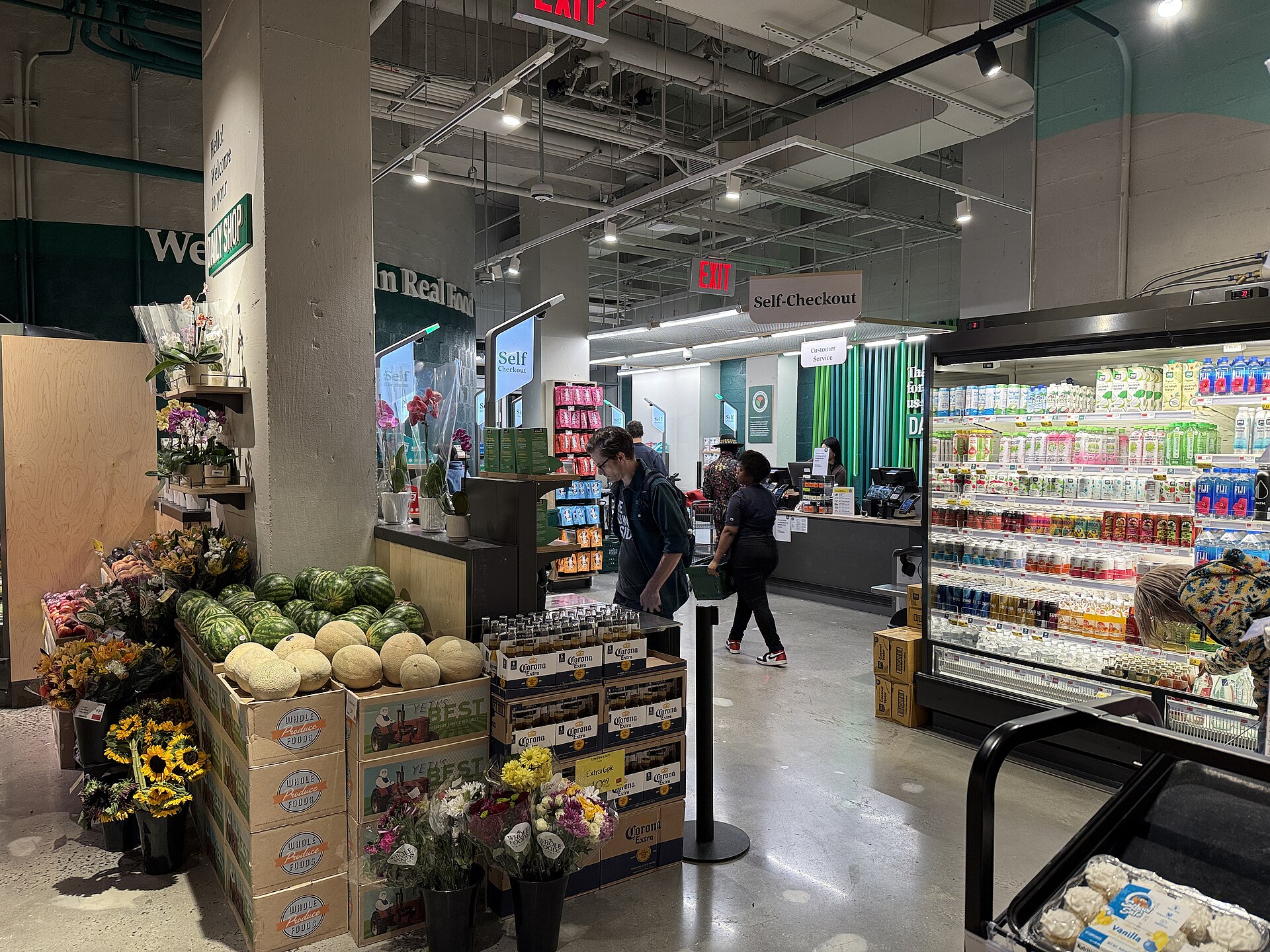
The Northeast market, which encompasses major metropolitan hubs including New York City, Boston, and Philadelphia, presents unique operational challenges that require a distinct managerial approach. High real estate costs, complex supply chain logistics, and an exceptionally discerning customer base make the region a high-stakes environment for high-end grocery executives.
The newly appointed vice president takes control of a territory that serves as a bellwether for specialty grocery trends nationwide. Regional leadership within major grocery corporations holds immense power over product selection, local vendor integration, store format innovation, and labor management strategies. While corporate headquarters sets the overall brand trajectory, regional executives must tailor those directives to fit local demographics and regional supply chains. Industry observers are paying close attention to how this new leadership will balance corporate standardization with local market preferences, particularly as smaller, independent natural food stores and regional specialty chains continue to challenge the national leader for market share.
STRATEGIC IMPLICATIONS FOR SPECIALTY RETAIL
This high-profile transition highlights the broader economic pressures facing upscale food retailers across urban corridors. Over the past several years, specialty grocery stores have had to modify their value propositions as elevated food costs forced shoppers to become more selective with their grocery budgets. Supermarket News reports that grocery executives across the sector are re-evaluating pricing strategies, private label expansion, and store layouts to maintain foot traffic and average basket sizes. In the Northeast, where density allows for smaller footprint store formats, executive decisions regarding merchandising and shelf space allocation can dramatically impact supplier success and consumer loyalty.
The regional market is also characterized by intense competition among organic and natural food sellers. Emerging regional players and aggressive discount chains have expanded their organic offerings, stripping away the near-monopoly that dedicated health food stores once enjoyed over premium ingredients. To maintain its competitive edge, the incoming leadership team will likely need to focus heavily on supply chain efficiency, exclusive local product partnerships, and enhanced prepared food operations. Prepared foods and hot bar offerings represent high-margin categories that are particularly popular among busy urban professionals in northeastern cities, making them a critical focus area for regional management.
Managing grocery operations in dense urban environments requires navigating logistical complexities that do not exist in suburban sunbelt markets. Historic infrastructure, limited loading dock access, and stringent municipal regulations present daily operational hurdles for store directors and supply chain coordinators throughout the Northeast. The incoming executive team must address these structural challenges while simultaneously overseeing store renovations, technology integration, and labor force optimization. Labor relations and workforce retention remain persistent concerns across the grocery industry, particularly in northeastern states where cost of living pressures are most acute for frontline retail workers.
Furthermore, the ongoing integration of digital ordering and home delivery logistics continues to alter the physical layout and daily routines of brick-and-mortar stores. Balancing in-store shopper experience with the rapid fulfillment of online delivery orders remains a primary operational headache for regional managers. Stores in densely populated urban centers often serve dual roles as retail showrooms and micro-fulfillment centers, creating congestion in aisles and placing extra strain on store inventory management systems. How the new leadership addresses these fulfillment bottlenecks will serve as an indicator of how the parent company intends to modernize its urban retail portfolio overall.
For everyday shoppers, regional executive changes typically translate into noticeable shifts on store shelves over time. Consumers throughout the Northeast may see a refreshed emphasis on local regional vendors, changes in prepared food menus, and potential shifts in store promotional strategies over the coming months. When regional leadership shifts, store formats and inventory curation often adapt to better match localized demand, which could mean new organic options, updated store layouts, or altered pricing structures on staple goods.
For small food producers and local agricultural suppliers, a change at the regional executive level represents both an opportunity and a potential hurdle. New leadership often brings a fresh perspective on local sourcing programs, creating openings for regional brands to secure shelf placement across northeastern stores. Conversely, store operations may undergo streamlinings that raise the barrier to entry for smaller vendors. Keeping a close eye on regional leadership priorities allows consumers and suppliers alike to anticipate changes in how premium grocery experiences are delivered in their communities.
Sources and methodology
Reported from the public datasets below.
More from the Foodie Pundit Newsroom
- The Michelin Star's Shadow: How Culinary Tourism Is Reshaping Southeast Asia's Soul Food
- San Diego's Culinary Ascent: How the Michelin Guide Redefined a City's Fine Dining Scene
- Butter boards blew up dining and food marketing
- Restaurants are cutting costs to survive, not thrive
- Biscoff Blitz: Why America Is About To Get A Whole Lot More Speculoos