Why Crispy Rice Salad Is the Defining Restaurant Order of the Season
From Lao street corners to natural wine bars, nam khao has taken over menus by offering an addictive collision of crunch, funk, and acid.
By Foodie Pundit Newsroom - Published - Updated - Section: Trending
Key points
- Crispy rice salad originated as nam khao, a traditional Lao street food designed to repurpose day-old rice with red curry and sour pork.
- The dish gained widespread momentum due to its unique textural contrast and visually compelling tableside preparation.
- Mainstream adoption has led to shortcuts, including missing fermented elements and poorly fried rice that can turn greasy.
- Diners will find the best versions at dedicated Lao and Northern Thai restaurants that fry the seasoned rice fresh to order.
It is difficult to pinpoint the exact moment a niche specialty transforms into a menu fixture, but the sudden ubiquity of crispy rice salad has left little doubt about its arrival. Diners in metropolitan markets from New York to London have noticed the same textural powerhouse claiming prime real estate on dinner menus. Known traditionally in Laos and Northern Thailand as nam khao, the dish has rapidly migrated from Southeast Asian enclaves into upscale bistros, natural wine bars, and fast-casual lunch counters.
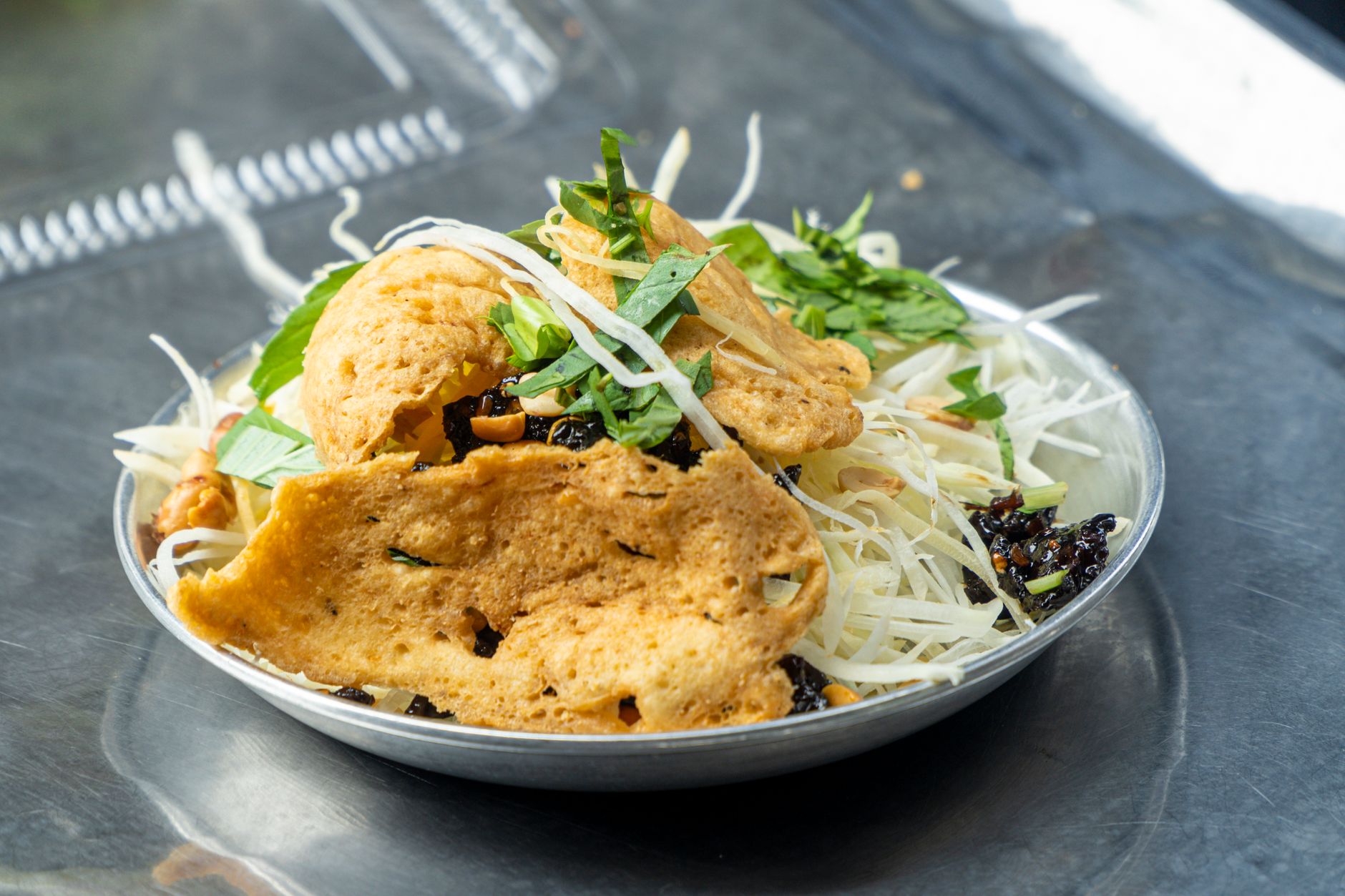
The appeal relies on a sensory contrast that feels engineered for modern appetites. To create the base, cooked rice is seasoned with red curry paste, shaped into patties or loose balls, and deep-fried until a rigid, golden crust forms around a tender interior. The rice clusters are then broken apart and tossed with herbs, cured pork, fish sauce, lime juice, and roasted peanuts, resulting in an assertive balance of crunch, acidity, and umami.
The culinary press first documented this resurgence through regional specialty spots that refused to tone down the pungent fermented flavors of the dish. As food lovers shared clips of the shattering rice balls being crushed tableside, the visual and acoustic appeal propelled it into mainstream dining consciousness. Now, chefs who have never cooked Laotian food are offering their own variations, betting that the addictive texture will keep dining rooms full.
The roots of the dish belong squarely to Lao culinary heritage, where nam khao has long been a celebratory street food staple. Home cooks and market vendors developed the recipe as a clever way to repurpose day-old rice, elevating leftovers with aromatics and lime-cured sour pork known as som moo. In these traditional preparations, the rice is wrapped in crisp lettuce leaves or betel leaves by hand, creating a communal and highly interactive eating experience.
Its transition into Western dining began quietly in regional hub cities like Washington, D.C., Minneapolis, and Seattle, where significant Lao-American communities preserved the recipe across generations. Independent food writers and immigrant restaurateurs spent years advocating for Lao cuisine to be recognized on its own terms rather than subsumed under general Thai menus. Their persistence created the foundation for the dish to eventually catch the attention of broader culinary influencers.
The tipping point arrived as restaurant trends shifted heavily toward bold textures and funkier fermentation profiles. Diners who had embraced chili crisp and natural wine were primed for the intense collision of cured pork and deeply browned starches. Short-form video platforms accelerated the phenomenon, turning the tactile preparation of fracturing the brittle rice into an algorithmic hit. Within two seasons, what was once an insider order became a universal recommendation across lifestyle magazines and dining apps.
As crispy rice salad spread across mainstream menus, the recipe inevitably began to morph to suit commercial dining requirements. Traditional nam khao demands intensive labor, particularly in frying the rice to order so it retains its crispness without absorbing excess oil. To streamline operations during busy dinner rushes, some high-volume kitchens have turned to par-frying the rice or baking it on sheet pans, producing a dried-out grit rather than a light, airy shatter.
Ingredient substitutions have also created friction among purists. Many non-specialist establishments have swapped out the traditional fermented sour pork for roasted chicken, duck, or entirely plant-based mushroom alternatives. While these adaptations make the dish accessible to wider dietary demographics, they often eliminate the lactic tang that defines the original Lao version. Without that sour counterweight, the rich fried rice and heavy dressing can easily turn greasy and cloying after just a few bites.
Despite these compromises, exceptional versions still thrive in kitchens dedicated to culinary precision. Top operators maintain the delicate moisture balance by utilizing jasmine rice dried to specific tolerances before hitting clean, high-temperature oil. They also resist the temptation to dress the greens prematurely, serving the dressing on the side or tossing it seconds before service to preserve the structural integrity that made the salad famous in the first place.
For diners navigating current restaurant menus, the ubiquity of crispy rice salad offers both an opportunity and a cautionary tale. If you are ordering the dish at a generalist neighborhood bistro, inspect the description for evidence of fermentation and proper acid balance, such as fish sauce, lime, or fermented sausage. A menu that lists simply fried rice with greens may deliver a heavy, oil-logged bowl rather than the vibrant, punchy balance that made the dish a viral phenomenon.
When dining out, prioritize ordering crispy rice salad from authentic Lao or Northern Thai establishments whenever possible. These dedicated kitchens not only preserve the cultural context of nam khao, but they also possess the specialized frying techniques required to achieve the elusive shatter. If you decide to attempt the recipe at home, remember that temperature control and thoroughly chilled leftover rice are the two non-negotiable secrets to keeping the grains distinct and crisp.
More from the Foodie Pundit Newsroom
- The Gurugram B-School Swapping Tenured Professors for Active CEOs
- The Great Nashville Migration: Why Tennessee's Hottest Restaurants Are Betting on Dallas
- Dallas's Dining Boom: Beyond the Bucket List
- Seattle's Culinary Vanguard: An Analytical Guide to the City's Most Defining Restaurants
- The Insider's Table: Where Seattle's Culinary Elite Are Actually Eating in 2024