Why Culinary Operators Are Adding Miso to Chocolate Tarts to Drive Premium Menu Margins
Culinary operators are elevating standard pastry programs by incorporating fermented umami pastes into chocolate desserts to boost margins and satisfy adventuro
By Foodie Pundit Newsroom - Published - Section: Desserts Snacks
Key points
- Pastry programs are increasingly incorporating fermented savory staples like miso to create complex flavor profiles and reduce reliance on refined sugars.
- Cross-utilizing kitchen ingredients like miso across savory and sweet stations optimizes inventory management and improves food cost ratios.
- Savory-sweet hybrid desserts attract adventurous diners, allowing operators to command higher menu prices and boost overall dessert sales.
- The high flavor concentration of umami ingredients allows kitchens to serve richer, perfectly portioned desserts that manage expensive cocoa costs.
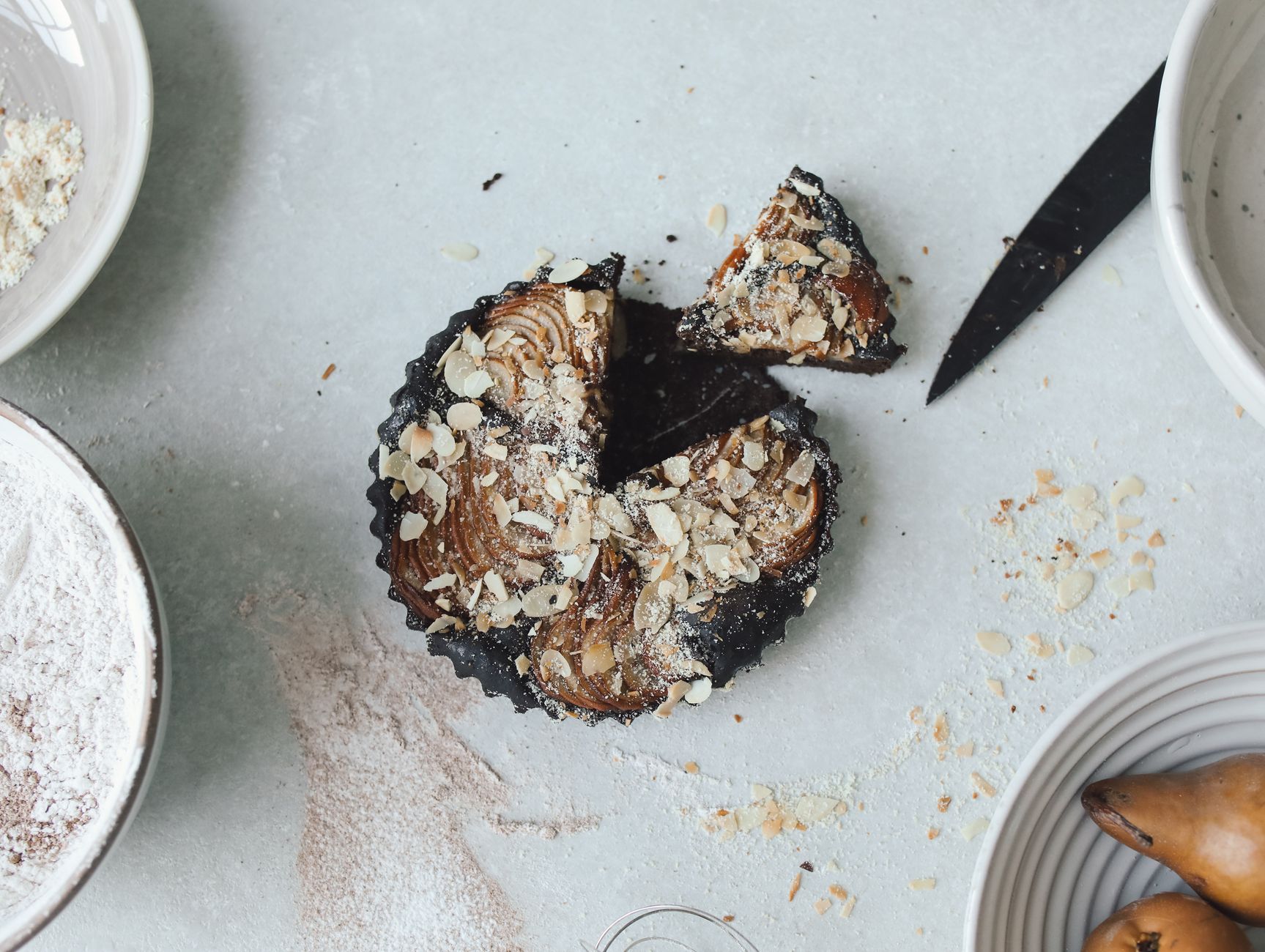
The culinary industry is currently experiencing a structural shift in how operators approach the dessert course. For decades, restaurant menus maintained a rigid boundary between sweet and savory ingredients, reserving umami-rich fermented pastes for savory applications like soups, glazes, and marinades. Today, culinary directors are rewriting those operational playbooks by integrating traditional Japanese staple ingredients like fermented soybean paste directly into high-margin pastry programs. A recent report by ABC News highlighted this emerging trend, focusing on how pastry chefs are using red and white miso to transform traditional chocolate tarts into sophisticated, high-value dessert offerings.
From a restaurant economics perspective, the rise of the miso chocolate tart represents far more than a fleeting food trend. Desserts have historically presented a unique financial challenge for casual and fine dining establishments alike. While beverage programs often enjoy massive markups, classic desserts can suffer from low order rates, high labor costs, and thin margins.
By introducing complex, non-traditional flavor profiles, restaurants can rebrand standard chocolate tortes as premium culinary experiences. This subtle repositioning allows establishments to command higher menu prices while utilizing low-cost staple ingredients that are already well-stocked in the kitchen inventory.
To understand why this menu innovation works, one must examine the sensory dynamics of dark chocolate and fermented soybeans. Dark chocolate relies on a complex mix of bitterness, acidity, and residual sweetness to create its signature taste profile. Traditional pastry technique balances these elements with heavy cream, butter, and refined sugar. However, excessive sugar can dull the palate and make a final course feel heavy or cloying to modern diners who increasingly prefer lighter, less sugary menu items.
Integrating miso paste introduces concentrated glutamate, the amino acid responsible for the rich taste known as umami. When paired with high-cacao chocolate, the salt and savory depth of the fermented soybean paste cut through the natural bitterness of the cocoa bean without requiring excessive sugar. The combination functions similarly to salted caramel, which took the food service industry by storm two decades ago, but offers a far more complex and subtle finish. The result is a balanced dessert that encourages full consumption, driving higher customer satisfaction scores and repeat visits.
OPERATIONAL ADVANTAGES FOR COMMERCIAL KITCHENS
For commercial kitchen operations, adopting a miso chocolate tart offers remarkable efficiency benefits. Kitchen managers are constantly looking for ways to streamline cross-utilization of raw ingredients across different stations. Because miso is a fermented product, it possesses an exceptionally long shelf life and requires no specialized cold-chain storage beyond standard refrigeration. A single tub of miso paste can supply the savory line for glaze preparations while simultaneously providing the pastry station with a secret flavoring agent.
Furthermore, the labor footprint required to produce a miso-infused chocolate ganache tart is minimal compared to other elaborate pastry items. The base components typically consist of a standard blind-baked pastry shell and an emulsion of melted chocolate, heavy cream, butter, and a precise ratio of dissolved miso. Because the tart can be prepared in advance during morning prep shifts and stored flat in refrigeration units, it reduces ticket times during peak dinner service. Kitchen staff simply slice, plate, and garnish the item, optimizing throughput during critical service windows.
The popularity of the miso chocolate tart is indicative of a broader market movement toward savory-sweet hybrid foods. Consumer research indicates that younger dining demographics, particularly Millennials and Gen Z, actively seek out novel sensory experiences when dining out. Standard dessert offerings like lava cakes, simple fruit pies, and plain chocolate mousses are increasingly viewed as predictable. In contrast, dishes that incorporate unexpected global ingredients create organic social media coverage, serving as free marketing for restaurant brands.
Food service operators are leveraging this consumer curiosity to drive dessert sales, which had seen a steady decline over the last decade due to health-conscious dining trends. By framing these new desserts as sophisticated flavor explorations rather than mere sugar indulgences, restaurants effectively overcome consumer hesitation regarding late-meal calories. ABC News noted that this shift allows everyday home cooks and commercial chefs alike to elevate basic baking recipes into headline-worthy culinary achievements.
MARKET IMPLICATIONS FOR THE PASTRY SECTOR
As supply chain pressures and inflation continue to impact core restaurant inputs like dairy and cocoa, pastry chefs must continuously innovate to protect their bottom lines. High-grade chocolate remains an expensive commodity, but combining it with deeply flavorful, cost-effective adjuncts like miso allows kitchens to stretch their chocolate inventory without sacrificing quality or portion size. The intensity of the flavor profile means smaller, richer portions can be served at full price points, preserving unit margins.
Looking ahead, industry analysts expect to see further crossover between pantry staples and dessert menus. Ingredients such as black sesame, tahini, gochujang, and extra virgin olive oil are already securing permanent placement on modern dessert menus across major metropolitan markets. The widespread acceptance of the miso chocolate tart paves the way for these broader menu developments, signaling a permanent evolution in how the food service industry conceptualizes the final course.
For everyday diners and food enthusiasts, this culinary shift opens up exciting possibilities both when eating out and baking at home. You can expect to see more creative, less sugary choices on dessert menus that offer far richer taste profiles without feeling overly heavy. When dining out, ordering these hybrid desserts supports menu innovation and offers a higher culinary return on your dining dollar.
If you enjoy baking, incorporating a tablespoon of white or red miso paste into your favorite chocolate ganache or brownie recipe is an easy, low-risk way to elevate your home cooking. It requires no specialized equipment or advanced culinary techniques, yet it delivers a professional, restaurant-quality result that will impress your guests. Embracing these simple ingredient swaps allows you to bring modern food trends directly into your personal kitchen.
More from the Foodie Pundit Newsroom
- Artisanal Bakery Chains Quietly Trim Storefronts as Cost Pressures Mount
- How Two Ingredient Desserts Are Reshaping Home Cooking and Food Retailing
- The Physics of Lamination: How Professional Chefs Master the Art of the Croissant
- The Business of Umami: Why Miso Chocolate Tarts Are Redefining Modern Pastry Menus
- How Off-Menu Customization Drives Revenue and Operational Shifts in Modern Coffee Retail