Why Gourmet Tinned Sardines Are Captivating Modern Diners And Restaurants
Driven by social media trends and nutritional benefits, preserved seafood is transforming from a basic budget item into a gourmet dining sensation.
By Foodie Pundit Newsroom - Published - Updated - Section: Health Nutrition
Key points
- Tinned seafood has evolved from an inexpensive pantry backup to an accessible gourmet luxury product.
- High nutritional value and strong environmental sustainability metrics are driving consumer adoption.
- Restaurant operators are using conservas to build high-margin menu items with minimal labor costs.
- Lower transport emissions and extended shelf life offer substantial economic and ecological advantages.
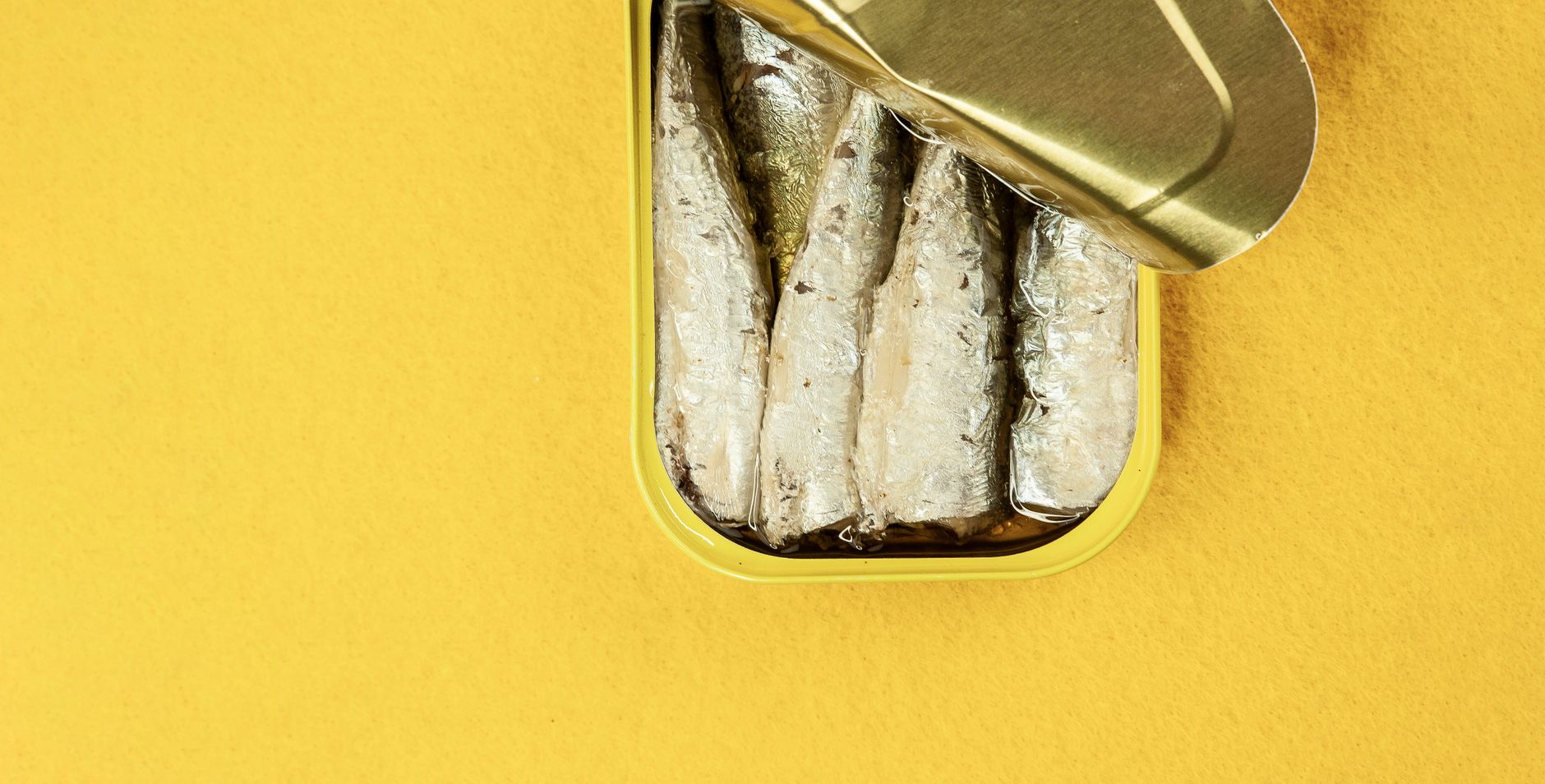
The world of retail food and restaurant dining is experiencing a dramatic shift as tinned seafood moves from an obscure pantry staple to a high-end culinary phenomenon. Driven by social media viral trends, changing consumer preferences for shelf-stable proteins, and a growing appreciation for sustainable dining, the consumption of preserved sardines, mackerel, and anchovies has surged dramatically over the past eighteen months. Market analysts report that premium canned seafood is no longer viewed as a budget meal of last resort, but rather as an affordable luxury that offers high nutritional value and complex regional flavors.
This trend, recently documented by retail reporting from Mint, highlights how modern consumers are actively seeking out nutrient-dense, shelf-stable foods that align with contemporary wellness standards. The movement has gained significant traction on digital platforms, where users showcase ornate tin collections, elaborate charcuterie boards featuring tinned fish, and quick dinner recipes centered around preserved seafood. For independent restaurants and mainstream food service chains alike, this trend represents a lucrative opportunity to menu high-margin, low-prep artisanal ingredients that appeal to younger demographics.
Canning seafood has a centuries-long history in Mediterranean and Iberian culinary traditions, where preserving catches at peak freshness is considered an art form. In countries such as Spain, Portugal, and France, conservas shops have long operated as gourmet boutiques, offering vintage tins of sardines packed in extra virgin olive oil, spiced tomato sauces, or fragrant herbs. However, the North American and broader global markets historically viewed canned fish through a narrow lens, associating it primarily with low-cost tuna or basic pantry backup options.
The contemporary renaissance began when specialty importers started bringing high-grade Iberian tins to Western grocery shelves and wine bars. Culinary influencers quickly seized on the visual appeal of these colorful, artistic tins, transforming a mundane product into a social media aesthetic. Beyond the visual appeal, modern diners have rediscovered the robust flavor profiles and culinary versatility of high-quality preserved fish, driving a massive increase in retail sales and restaurant menu placements nationwide.
From a health perspective, tinned sardines present an exceptional nutritional profile that appeals directly to health-conscious consumers. Packed with omega-3 fatty acids, high-quality lean protein, essential vitamins, and minerals like calcium, these small fish deliver maximum nutrition with minimal processing. Because sardines sit low on the marine food chain, they also carry significantly lower risks of heavy metal contamination compared to larger predatory fish like tuna or swordfish, making them a preferred option for clean-eating enthusiasts.
Economic factors have played an equally critical role in propelling this food trend forward. Inflationary pressures on fresh meat and seafood over the past several years have forced consumers to seek alternative protein sources that offer value without compromising on quality. Premium canned seafood bridges this gap perfectly, allowing shoppers to indulge in a luxurious culinary experience for a fraction of the price of a fresh fillet at a specialty fish market. Restaurant operators benefit similarly, as tinned items require zero raw protein waste, extended shelf life, and minimal kitchen labor to assemble into high-margin appetizers.
Environmental awareness among modern diners has accelerated the shift toward smaller forage fish. Industrial overfishing and ocean warming have put immense strain on populations of larger wild fish, making wild-caught salmon and tuna increasingly expensive and ecologically problematic. In contrast, sardine populations tend to be more resilient, reproducing quickly and requiring less intensive harvesting practices when managed under strict regional fishing quotas.
The lower carbon footprint associated with transport and storage also enhances the sustainability profile of tinned seafood. Fresh fish requires complex, energy-intensive cold chain supply networks to transport catches from coastal waters to inland markets without spoilage. Tinned seafood, conversely, is non-perishable and shelf-stable at room temperature, dramatically reducing transportation emissions and eliminating food waste across the supply chain. This environmental efficiency resonates deeply with younger consumers who prioritize eco-friendly purchasing decisions in their daily diets.
The restaurant industry has responded to this consumer demand by integrating high-end tinned seafood into diverse menu concepts. Contemporary wine bars, tapas joints, and upscale casual dining establishments are featuring curated tinned fish boards served alongside crusty sourdough, cultured butter, pickled vegetables, and fresh citrus. By elevating the presentation, operators can charge premium menu prices for an item that requires virtually no cooking, effectively lowering back-of-house labor costs while boosting margins.
Beyond standalone tins, chefs are increasingly utilizing canned sardines and anchovies as foundational flavor boosters in pasta dishes, compound butters, and grain bowls. The intense umami profile of preserved fish adds rich complexity to sauces and dressings without requiring long simmering times. As culinary cross-pollination continues, fast-casual concepts are beginning to experiment with tinned fish bowls and wraps, signaling that preserved seafood is moving firmly into the mainstream dining landscape.
For everyday consumers and home cooks, the rise of premium tinned seafood offers an accessible path to quick, nutritious, and flavor-forward dining. Keeping a diverse selection of high-quality sardines in your pantry provides an instant protein source that requires zero cooking skills to transform into a sophisticated meal. Pairing a tin of extra virgin olive oil sardines with fresh bread, greens, or pasta yields a restaurant-quality dinner in under five minutes at a fraction of the cost of dining out.
For operators and industry professionals, embracing tinned seafood presents an efficient strategy to manage rising operational costs. Incorporating artisanal conservas onto appetizer menus allows establishments to diversify their food offerings, capture trendy consumer interest, and maintain healthy profit margins without adding stress to line cooks or kitchen inventory. As sustainability and cost-efficiency remain top priorities across the hospitality sector, shelf-stable gourmet seafood is poised to remain a permanent staple of modern food culture.
Sources and methodology
Reported from the public datasets below.
More from the Foodie Pundit Newsroom
- Expansion of Global Dining Guides Reshapes Regional Restaurant Economies
- Behind the Velvet Rope: The Understated Economic Forces Pushing Independent Restaurants to the Edge
- Jollibee Opens Times Square Flagship as International Quick Service Brands Expand US Footprint
- Stop & Shop Recalls Store Brand Spinach Over Salmonella Concerns
- Butter Boards Get a Flavor Upgrade as Chefs Swap Basic Garlic for Chili Crisp and Acid