Why Dining Out Costs Stay High Even as Inflation Cools
While national inflation trends downward, high labor costs and fixed operational expenses keep dining out expensive for consumers.
By Foodie Pundit Newsroom - Published - Section: Food Prices
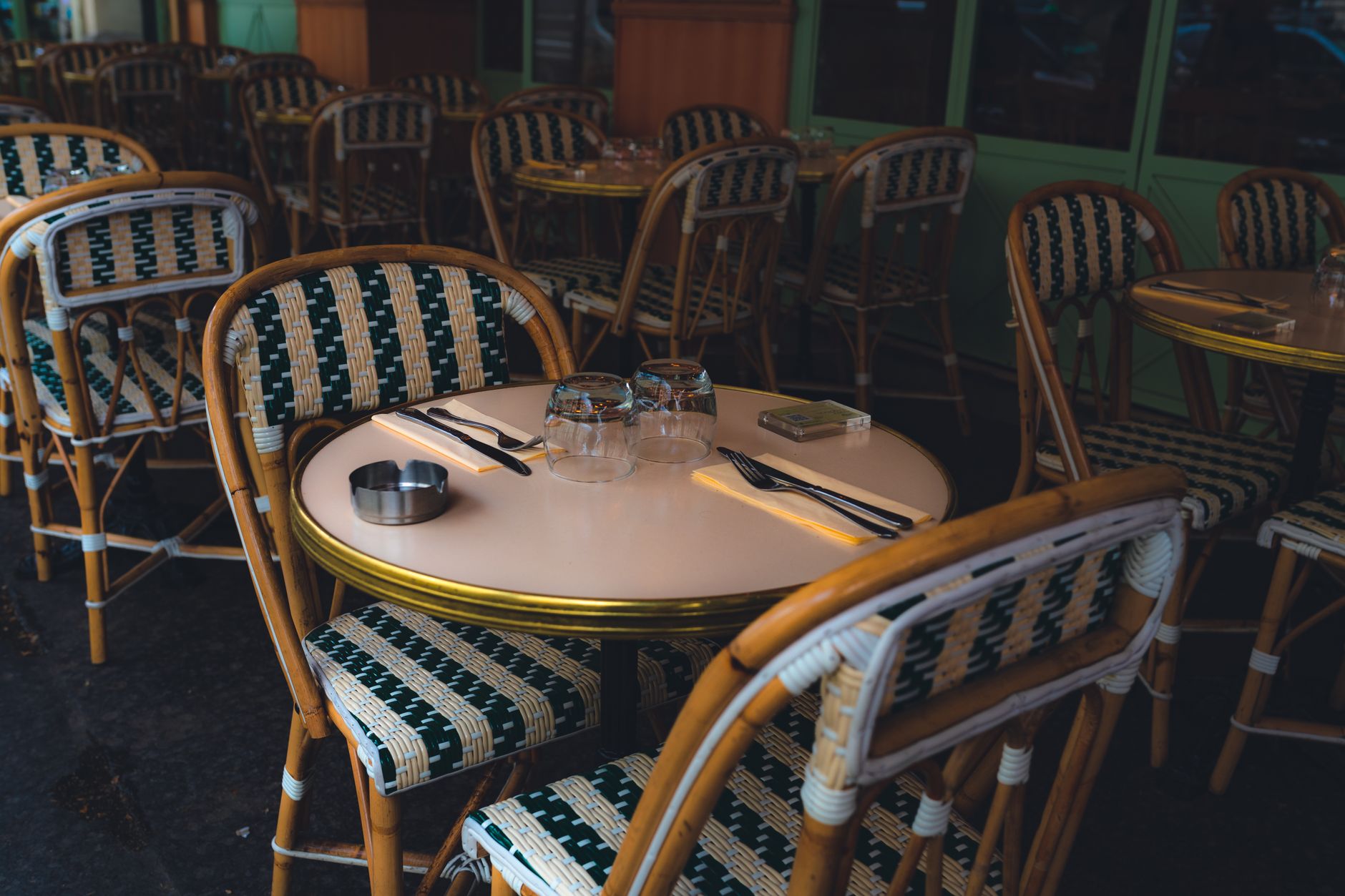
Key points
- Overall inflation is slowing, but restaurant prices continue to rise due to lingering labor and operational costs.
- Higher minimum wages and competitive hiring environments have permanently raised restaurant payroll expenses.
- Fixed overhead like commercial rent, energy, and distribution fees absorb any wholesale food savings.
- Operators are holding prices steady to recover lost margins rather than issuing broad menu price cuts.
The broader economy shows clear signs of overall inflation cooling down, but consumers dining out continue to face stubborn sticker shock at the register. While grocery store prices have largely stabilized over the past year, menu prices at quick-service and full-service restaurants are still climbing faster than general consumer price metrics. Industry analysts and recent economic data highlight a complex web of persistent overhead costs that keep dining out expensive. Restaurant operators face a unique combination of rising labor expenses, commercial rent increases, and higher utility bills that prevent them from offering discounts.
Understanding this disparity requires a close look at how consumer price indices track food costs across different sectors. Economic reporting from USA Today points out that while wholesale commodity prices for items like grains and certain proteins have leveled off, the labor and operational costs required to prepare and serve that food remain elevated. A grocery store sells raw ingredients that customers process at home.
A restaurant sells a finished product packaged with service, ambiance, and immediate convenience. When restaurant operational costs stay high, menu prices stay elevated regardless of raw food commodity trends.
Labor represents one of the largest single expenses for any restaurant enterprise, often accounting for 30% to 40% of total revenue. Minimum wage increases across numerous states and municipalities have raised the wage floor for kitchen staff, dishwashers, and service workers. A competitive hiring environment following the pandemic forced many operators to offer higher starting pay, retention bonuses, and improved benefits to attract reliable staff. Because hospitality is an inherently human-driven industry with limited opportunities for automation, operators cannot easily reduce headcount without sacrificing service quality or operational speed.
To cover these expanded payroll obligations, restaurant owners have systematically raised prices across their menus. While some major fast-food chains have experimented with targeted digital coupons or value meals to lure back budget-conscious diners, baseline prices for standard menu items remain significantly higher than levels seen before 2020. Managers report that even as job market tightness eases slightly, rolled-back wages are virtually non-existent in the service sector. Once baseline pay increases take effect, those costs become permanently baked into the business model, requiring elevated menu pricing to maintain operating margins.
COMMERCIAL REAL ESTATE AND UTILITY PRESSURE
Beyond payroll expenses, operators are grappling with substantial increases in occupancy and utility costs. Commercial real estate leases often feature escalation clauses tied to historical inflation rates, causing annual rent payments to jump for established locations. New leases are being negotiated at peak market rates in desirable urban and suburban corridors. At the same time, commercial utility rates for electricity, natural gas, and water have experienced sharp increases over the last two years, adding hundreds or thousands of dollars to monthly overhead.
Restaurants are exceptionally energy-intensive operations that rely on continuous refrigeration, high-temperature cooking equipment, and heavy air conditioning to keep dining rooms comfortable. These baseline utility requirements cannot be dialed back during slow shifts without risking food safety or customer comfort. As land and energy costs remain elevated, restaurant owners find that any savings realized from cheaper raw ingredients are instantly absorbed by fixed utility and real estate bills. This reality leaves virtually no financial cushion to pass along price cuts to end consumers.
SUPPLY CHAIN ADJUSTMENTS AND MARGIN RECOVERY
Supply chain disruptions may no longer make daily national news, but the lasting structural changes within food distribution networks continue to impact restaurant bottom lines. Freight charges, packaging materials, and specialized processing costs remain high compared to historical averages. Distributors passed these expense increases down to restaurant operators during peak inflation, and many of those higher wholesale price tiers have become the new baseline across the food service industry.
Many independent restaurant owners spent two years operating at paper-thin margins or taking on debt to keep their doors open during economic downturns. Now that supply networks have normalized, these operators are using current pricing structures to rebuild cash reserves and pay down accumulated business loans. Industry experts note that business owners rarely lower prices once the market demonstrates acceptance of higher rate structures. Instead of slashing prices, operators tend to hold menu rates flat until general inflation catches up, allowing margins to recover slowly over time.
CHANGING CONSUMER BEHAVIOR AND INDUSTRY ADAPTATION
Diners are responding to persistent high prices by adjusting their spending habits and eating out less frequently. Value-conscious consumers are shifting away from full-service dining toward fast-casual concepts, or skipping beverages and appetizers to trim their final tab. In response, quick-service chains have entered an aggressive battle for value perception, introducing limited-time meal deals to defend their foot traffic against grocery store competition.
These promotional strategies often feature smaller portion sizes or select low-cost items rather than broad price reductions across full menus. Restaurant intelligence indicates that premium items and core menu staples will likely maintain their elevated prices for the foreseeable future. Operators recognize that discounting main menu items can damage brand equity and erode profitability, choosing instead to rely on loyalty programs and app-based promotions to reward frequent patrons without slashing overall menu prices.
For diners managing their budgets, strategic ordering remains essential. Menu prices are expected to stay flat rather than drop, as restaurants continue absorbing high labor, rent, and utility costs. Loyalty programs, targeted mobile app promotions, and value-focused lunch menus offer better savings than traditional dinner dining. Restaurant price structures reflect fixed operational overhead rather than temporary grocery spikes, marking a permanent shift in how food service businesses price their menus.
Sources and methodology
Reported from the public datasets below.
More from the Foodie Pundit Newsroom
- Asda Slashes Prices On Over 200 Everyday Items To Fight Inflation
- Pakistani Kitchens Face Severe Economic Pressure as Global Food Inflation Spikes
- Chipotle Rolling Out Automated Kitchen Equipment Signals Fast Casual Industry Shift
- Chipotle Deploys Robotic Assembly Lines as Fast Casual Goes High Tech
- Legacy Fast Food Landscape Shrinks as Historical Chains Face Final Closures