Why the Return of Girl Dinner Signals Lasting Shifts in Grocery and Restaurant Spending
The viral low-effort meal trend returns for summer, highlighting broader shifts in grocery shopping, inflation relief, and casual dining habits.
By Foodie Pundit Newsroom - Published - Updated - Section: Grocery Cpg
Key points
- Social media snack trends reflect serious consumer desire for low-friction, budget-friendly meal solutions.
- Grocery retailers are merchandising pre-packaged tapas, cheeses, and tinned fish to capture grazing-focused basket spend.
- Casual dining restaurants are adjusting menus to offer customizable small plates to compete with home assembly dining.
Social media trends often flicker out after a few weeks of viral ubiquity, but the dining habit known as girl dinner has officially returned for another seasonal cycle. What began as a viral video phenomenon on TikTok in mid 2023 has evolved into a persistent consumer habit, driven by shifting economic realities and changing household habits. Reporting from Today.com highlights that the low effort meal concept is seeing a massive resurgence as warmer weather pushes consumers away from hot kitchens and complex meal preparation.
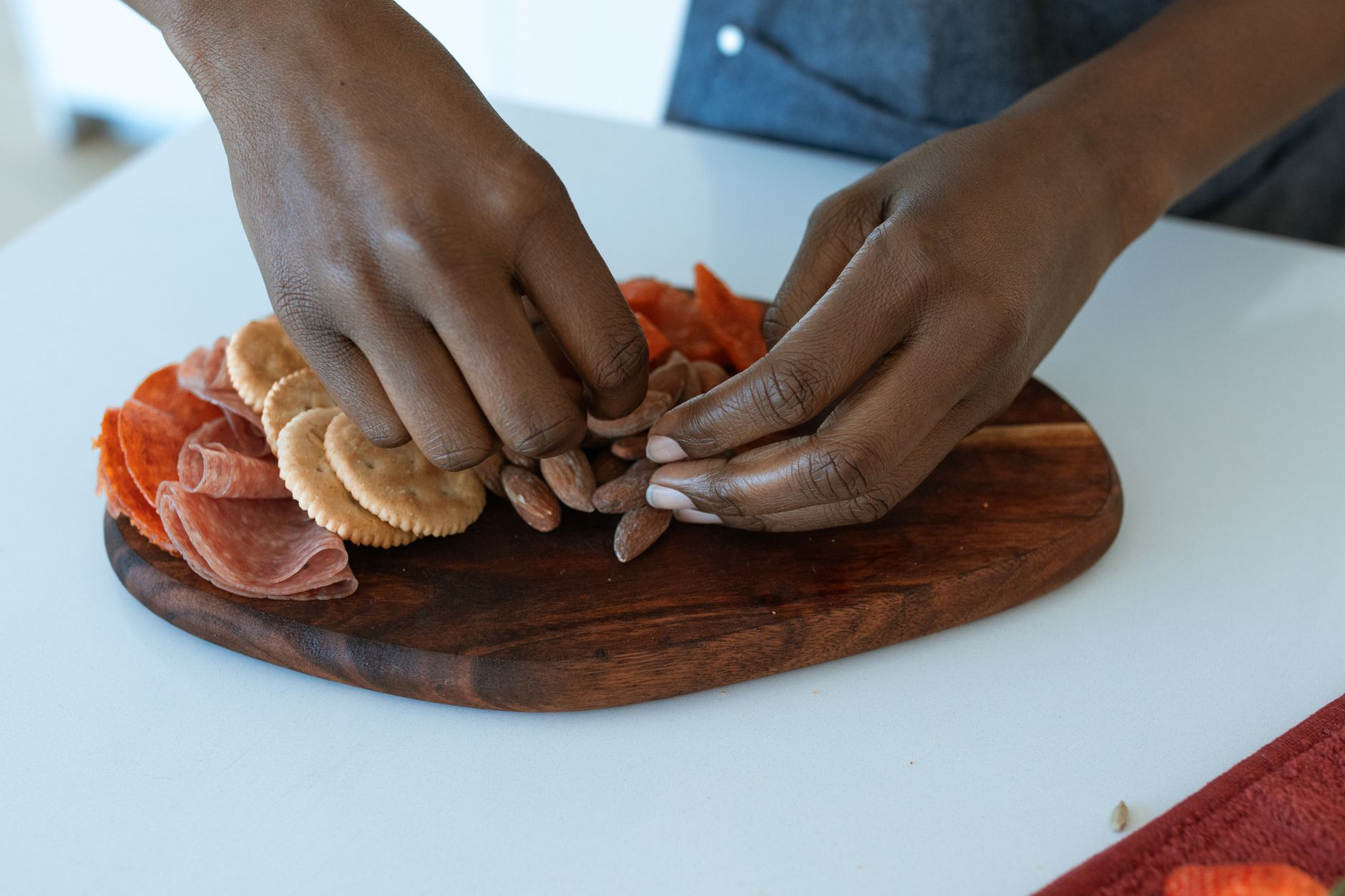
At its core, the trend involves assembling a plate of disparate, pre-packaged, or minimal preparation food items rather than cooking a traditional balanced dinner. A typical spread might include sliced cheese, cold cuts, fresh berries, pickled vegetables, crackers, and a handful of nuts. Industry analysts view this return not merely as a social media joke, but as a meaningful metric reflecting how younger demographics navigate grocery budgets and personal time constraints during the summer months.
For retail grocers and specialty food producers, the revival of snack based dining represents a significant commercial opportunity. The initial wave of the trend in 2023 coincided with a measurable bump in sales for specialty cheeses, cured meats, and single serve snack packs. As the phenomenon returns to social feeds, supermarket chains are once again positioning packaged tapas, artisanal crackers, and gourmet spreads at eye level in refrigerated display cases.
Grocery stores have increasingly adapted their merchandising strategies to cater directly to this grazing behavior. Pre-portioned snack boards and premium canned seafood, often referred to as tinned fish, have seen elevated demand as consumers seek elevated convenience. By rebranding leftovers and pantry staples as an intentional culinary choice, consumers are effectively lowering their average meal costs while maintaining a sense of novelty and indulgence.
The restaurant industry has taken careful notice of the way low effort dining at home impacts casual dining traffic. When consumers opt for quick assembly plates at home, full service restaurants often see a dip in weeknight dinner covers. To counter this drop, several fast casual and casual dining chains have begun introducing tapas style small plates, customizable snack platters, and happy hour food boards designed to mimic the variety of a home snack plate.
Foodservice operators recognize that the appeal of this dining style lies in its low friction nature and high degree of customization. Diners increasingly favor flexibility over rigid three course meal structures, especially when dining out during warm weather. Operators who offer mix and match small plates or shareable appetizer boards are better positioned to capture spend from patrons who want the experience of grazing without the cleanup.
Beyond seasonal preferences, macroeconomic factors continue to fuel the popularity of snack centric dinners. Food inflation, while cooling compared to historical highs, has left many households hyper conscious of their weekly grocery expenditures. Assembling meals from existing pantry items and small portions of fresh produce minimizes food waste, which remains a primary driver of household financial inefficiency.
Furthermore, the time tax associated with traditional meal prep plays a major role in consumer decision making. Remote and hybrid work schedules have blurred the boundaries between the workday and personal time, leading many individuals to seek maximum convenience at the end of the evening. Spending two minutes arranging ready to eat items on a cutting board offers a psychological relief that traditional cooking simply cannot match after a long workday.
NUTRITIONAL CONSIDERATIONS AND INDUSTRY EVOLUTION
While health professionals acknowledge that snack plates can offer balanced nutrition if they include adequate protein, fiber, and healthy fats, nutritionists also urge caution regarding sodium content. Many pre-packaged meats, cheeses, and processed snacks contain high levels of sodium and preservatives. As the trend matures, food brands are launching healthier options, including reduced sodium crackers, plant based charcuterie alternatives, and pre-washed organic produce designed for quick assembly.
The persistence of this trend indicates that low effort dining is no longer a fleeting internet meme, but a recognized subsegment of the modern food system. Packaged consumer goods companies are actively designing product lines around the concept of assembly over cooking. As long as consumers prioritize speed, cost efficiency, and personalization, snack based dining will remain a fixture of domestic food consumption.
For the average consumer, the return of low effort snack dining provides permission to simplify meal times without sacrificing flavor or satisfaction. Utilizing pre-packaged pantry staples, fruits, and cheeses can significantly cut down on evening stress and reduce food waste in your household budget. When shopping at the grocery store, focus on balancing sodium heavy cured products with fresh vegetables, high fiber crackers, and lean proteins to keep these quick spreads nutritionally balanced.
If you enjoy dining out, look for restaurants offering customizable small plate menus or shareable appetizer boards, which provide a similar variety without requiring a full multi course commitment. Embracing this flexible approach to eating allows you to manage kitchen energy during hot summer months while keeping grocery expenses under control.
Sources and methodology
Reported from the public datasets below.
More from the Foodie Pundit Newsroom
- Why High Grocery Prices Are Here to Stay According to Food Market Analysts
- Why Grocery Receipts Stay High Even As Inflation Cools Down
- Legacy Fast Food Closures Signal End Of Era For Childhood Favorites
- Casual Dining Restructuring Signals Broader Economic Strain Across Mid-Tier Restaurant Chains
- McDonalds Brings Back McRib to Drive Fourth Quarter Value Traffic