Why Top Fine Dining Chefs Are Abandoning Fancy Plating for Pure Flavor
Renowned chefs are shedding complex visual plating to focus entirely on deep flavor, precise technique, and superior ingredients.
By Foodie Pundit Newsroom - Published - Updated - Section: Luxury Dining
Key points
- Top fine dining kitchens are prioritizing flavor intensity over complex visual plating styles.
- Focusing on sauces and core techniques helps restaurants streamline kitchen labor costs and reduce waste.
- Diners are increasingly demanding temperature precision and rich taste over Instagram-friendly visual spectacles.
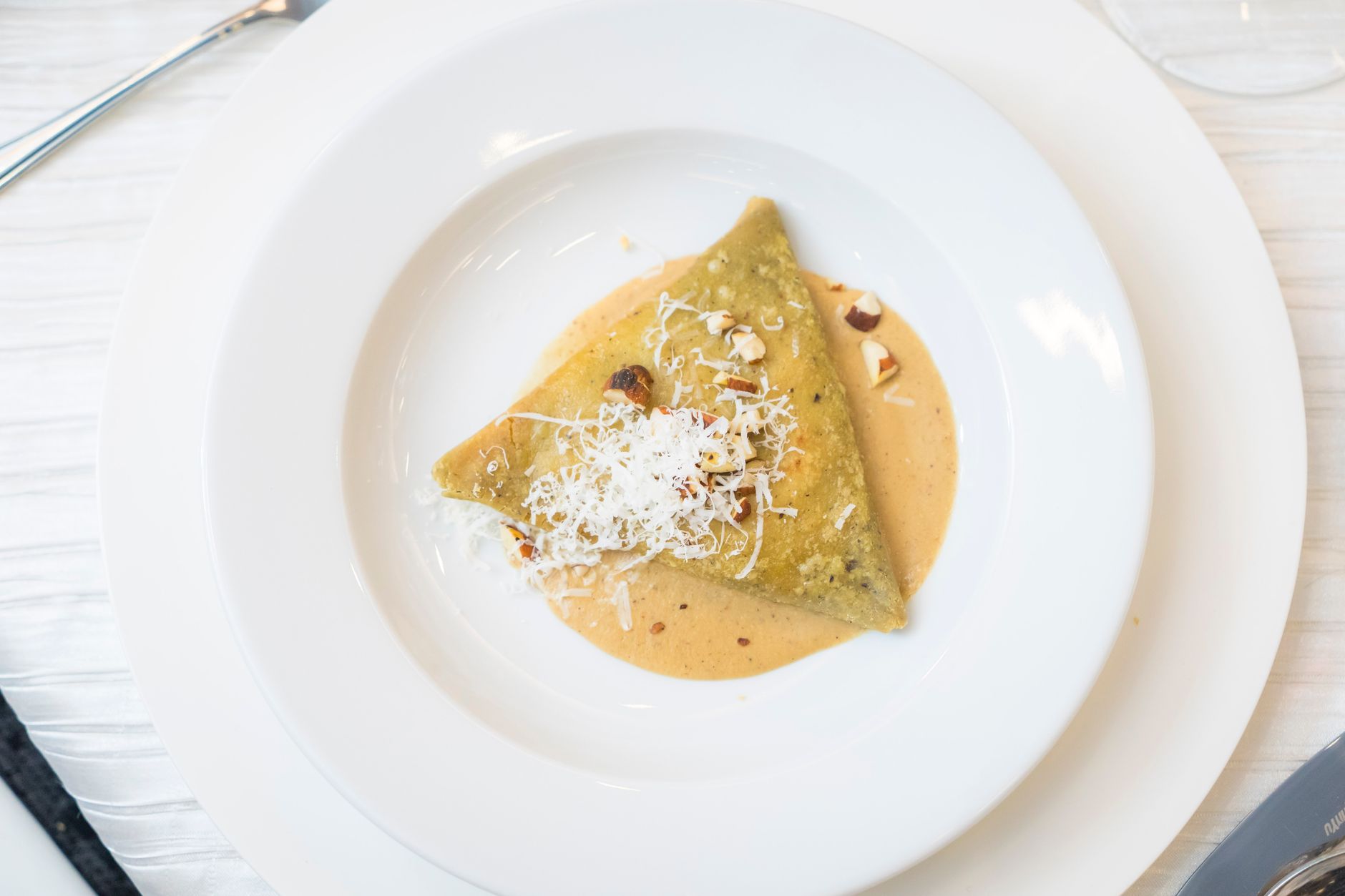
Fine dining is undergoing a quiet revolution as high-profile culinary leaders recalibrate their kitchen priorities. For decades, Michelin-starred establishments built their reputations on visual spectacles, using intricate tweezers, edible foams, and elaborate sculptural arrangements to captivate diners. A growing movement led by acclaimed chefs like Alex Dilling is steering the industry back toward fundamental taste profiles. Reporting from the Evening Standard highlights this shift, noting that top-tier kitchens are shedding unnecessary visual distractions to focus entirely on deep, concentrated flavor execution.
The financial drivers behind this shift are rooted in shifting consumer expectations and operational realities. High-end restaurants operate under immense cost pressures, facing rising labor expenses, elevated ingredient costs, and lingering supply chain volatility. Spending hours assembling delicate visual elements increases kitchen prep time and requires larger brigade sizes, which directly inflates payroll costs. By refocusing kitchen energy on hyper-concentrated sauces, precise cooking techniques, and superior ingredient sourcing, operators can deliver a more impactful dining experience while streamlining labor efficiency.
Visual artifice in fine dining reached a peak over the last decade, driven largely by the rise of social media platforms that prioritized photogenic presentation over palate delivery. While visually striking plates initially generated digital buzz, hospitality analysts note that repeat patrons rarely return for aesthetics alone. Gastronomic loyalty is built on unforgettable flavors, proper seasoning, and memorable textures. Dilling and his peers argue that when visual aesthetics take precedence over taste, the core value proposition of a luxury meal is compromised.
The pivot toward flavor prioritization requires a complete overhaul of modern kitchen workflows. Instead of dedicating labor to delicate garnishes that cool down quickly on the pass, kitchen teams are allocating time to long-reducing stocks, precise fermentation, and exact temperature control. A sauce that takes three days to clarify and reduce provides a far greater sensory impact than a decorative sugar cage or an elaborate gel drop. This approach respects both the diner's palate and the physical temperature of the served dish.
From a sourcing perspective, prioritizing flavor forces chefs to forge closer ties with specialized producers and agricultural suppliers. Ingredients can no longer be chosen merely for their uniform size, bright color, or structural rigidity on a plate. Chefs must evaluate produce, proteins, and dairy exclusively on taste, ripeness, and fat content. This methodology often leads to smaller, more seasonal menus that adapt weekly based on what tastes best, rather than maintaining static dishes designed solely for visual consistency across months of service.
The consumer reception to this back-to-basics philosophy has been overwhelmingly positive across major culinary capitals. Modern luxury diners are increasingly sophisticated, possessing higher culinary literacy and a lower tolerance for superficial presentation tricks. Guests paying premium prices expect baseline technical perfection, but they ultimately judge a restaurant on how satisfying and delicious the food actually tastes. The modern luxury metric is moving away from spectacle and toward pure, unadulterated culinary pleasure.
This strategic pivot also reshapes training and skill development within professional kitchens. Line cooks and apprentices are being taught the foundational science of taste balance, acid control, and Maillard reactions rather than focusing solely on delicate plating geometry. Mastering the subtle art of adjusting a classic emulsion or balancing a complex reduction yields a far more versatile skillset than learning how to arrange microgreens with surgical precision. This shift is building a more resilient, technically grounded generation of culinary professionals.
The economic implications for fine dining institutions adopting this philosophy are substantial. Reductions in lost time on the pass mean dishes arrive at the table faster and at optimal temperatures, improving table turn times without rushing the guest experience. Additionally, eliminating expensive cosmetic garnishes that add little taste value helps reduce overall food waste and lowers raw ingredient costs. A focus on taste provides a sustainable model that aligns kitchen craftsmanship with sound business strategy.
As more elite kitchens adopt this flavor-first mandate, the criteria for culinary excellence will continue to evolve across the global industry. Rating bodies and food critics are increasingly rewarding depth of flavor, precise cooking, and authentic sauces over complex visual arrangements. The industry is reaching a consensus that visual appeal should naturally emerge from pristine ingredients and classic technique, rather than being forced through artificial manipulation.
This evolution does not mean fine dining will become visually careless or rustic. High-end restaurants will always maintain pristine presentation standards, elegant tableware, and thoughtful layout. The fundamental difference lies in the hierarchy of decision-making during menu development.
Visuals now serve the flavor, rather than flavor being constrained by visual design. Restaurants that master this balance are positioning themselves for long-term commercial relevance and critical longevity.
For the everyday diner and restaurant enthusiast, this industry shift promises a far more satisfying dining experience. Guests can expect hotter food, faster service, and richer, more satisfying meals that justify their cost through exceptional taste rather than mere theatricality. When evaluating high-end dining options, diners should look for menus that emphasize sauce work, aging techniques, and seasonal sourcing rather than overly complex visual descriptions. Investing your dining budget in establishments that prioritize flavor ensures a far higher return on your culinary experience.
Sources and methodology
Reported from the public datasets below.
More from the Foodie Pundit Newsroom
- Whole Foods In-House Brands and Prepared Meals Quietly Dominate Specialty Grocery Market
- Flavor Takes Center Stage As Fine Dining Ditches Dramatic Plating
- Kroger and Albertsons Face Fierce FTC Pushback as Mega-Merger Battle Escalates
- The Antitrust Battle Over the Kroger and Albertsons Megamerger Explained
- Federal Court Battle Escalates as Regulators Fight Kroger and Albertsons Mega-Merger