Those Wooden Spoons In Your Kitchen? They Might Be Hiding Bacteria.
Are the wooden spoons in your kitchen drawer safe? Food safety experts warn that porous wooden utensils can harbor harmful bacteria, increasing your food poison
By Foodie Pundit Newsroom - Published - Section: Food Safety
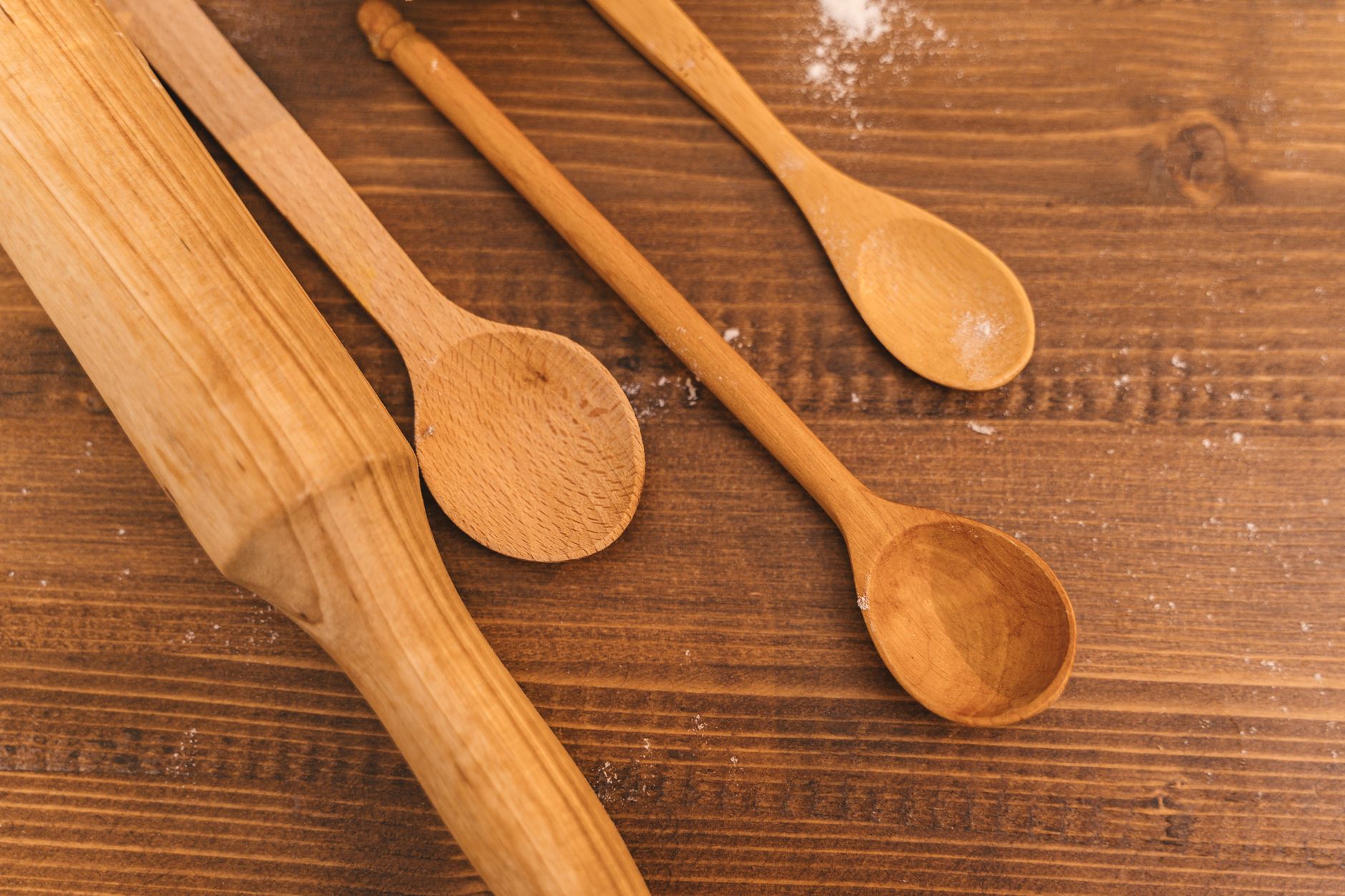
Key points
- Wooden kitchen utensils, especially those with cracks or soft grains, can harbor harmful bacteria like E. coli and Salmonella if not properly cleaned and dried.
- The FDA Food Code restricts wood use in commercial kitchens for high-risk foods, but no such rules exist for home cooks, placing the safety burden on consumers.
- To safely use wooden spoons, hand-wash them immediately with hot, soapy water, dry them thoroughly, and reserve them for low-risk foods, using non-porous utensils for raw meat.
- Regularly inspect wooden tools for cracks and condition them with food-grade mineral oil to prevent moisture absorption and bacterial growth.
- Hardwoods like maple and beech are safer choices than softwoods due to their less porous grain structure, reducing the risk of contamination.
This report is part of Foodie Pundit premium coverage. Foodie Pundit members read the full story. See membership.
More from the Foodie Pundit Newsroom
- Why Are Bagged Salads So Prone to Contamination?
- Nationwide Frozen Food Recall: A Hidden Listeria Threat in Your Freezer
- The Global Tea Supply Is a Genetic Mess. Scientists Just Built a "23andMe" to Fix It.
- That Fancy Dog Food in Your Pantry Is Costing More Than Your Steak
- Grocery Giants Albertsons and Safeway Demand Dismissal in High-Stakes Opioid Trial