Why That Native Texas Weed Is Suddenly In Your Eight Dollar Iced Tea
Yaupon holly is replacing imported tea in premium cafes. Discover why North America's only native caffeinated plant is the beverage industry's next big thing.
By Foodie Pundit Newsroom - Published - Updated - Section: Beverages
Key points
- Yaupon holly is North America's only native caffeinated plant and is rapidly replacing imported teas in premium cafes.
- The plant's natural drought resistance offers beverage companies a climate-resilient, domestic supply chain alternative to vulnerable Asian tea crops.
- Commercial agriculture in Texas and Florida has stabilized wholesale prices, allowing fast-casual chains to adopt yaupon at scale.
- Yaupon contains both caffeine and theobromine, providing a smooth, jitter-free energy boost that appeals to wellness-focused consumers.
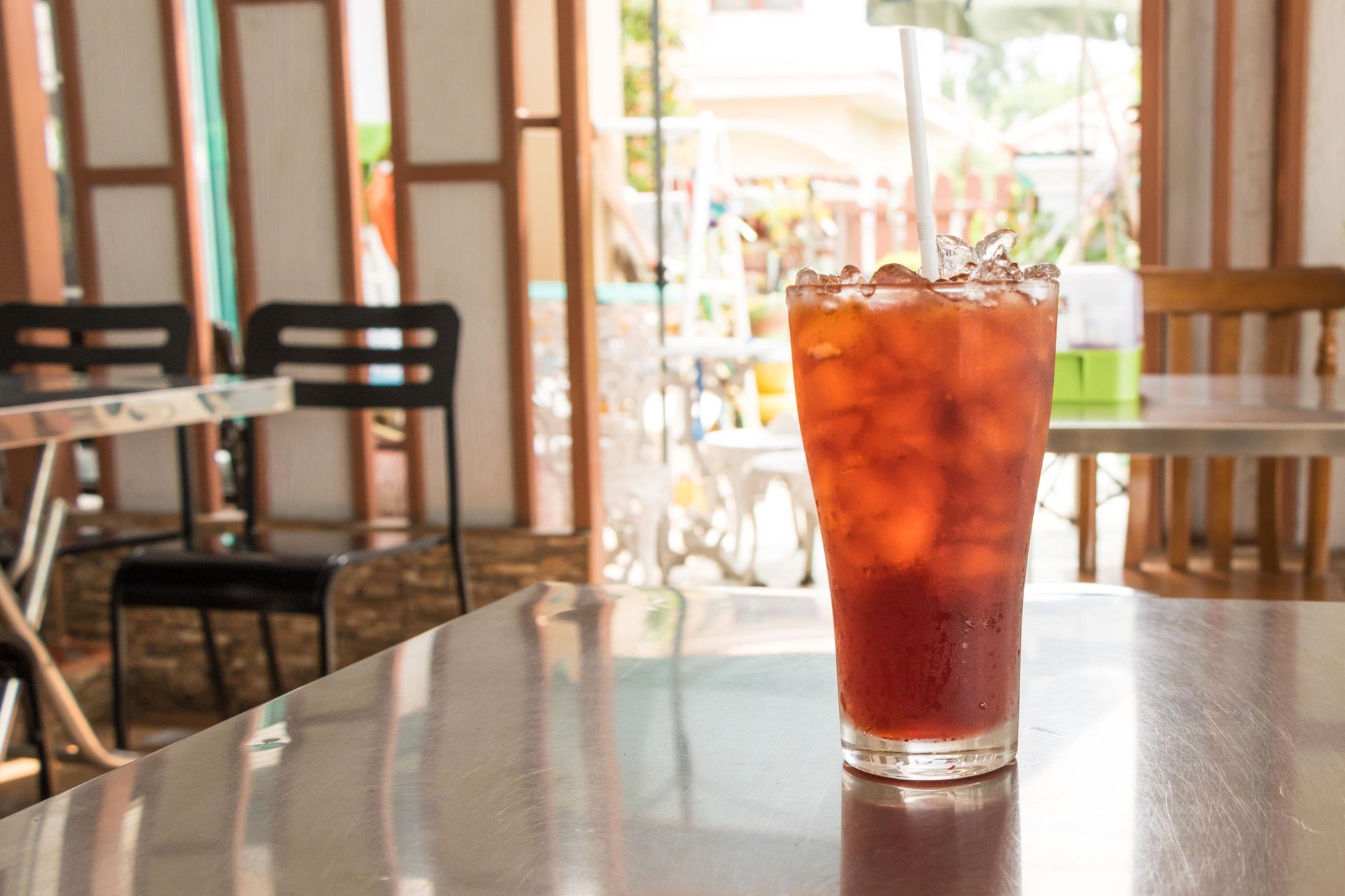
The next time you pay eight dollars for an iced tea at a premium cafe, you might be drinking a weed that landscapers have spent decades trying to eradicate. It is called yaupon holly, and it is quietly taking over the American beverage industry. For years, the native plant was considered a nuisance in the American South. Now, beverage directors and agricultural investors are treating it like the next matcha.
The shift is happening faster than anyone in the commercial tea business expected. Wholesale orders for yaupon have quadrupled since 2021, according to regional agricultural processors in Texas and Florida. The plant is North America's only native caffeinated species.
It grows wild, requires almost zero irrigation, and survives severe droughts. As climate volatility threatens traditional tea crops in India and China, American beverage brands are suddenly very interested in a local alternative.
You can already see the adoption curve playing out in high-end test kitchens. Independent coffee roasters who previously built their non-coffee menus around imported green teas are switching to roasted yaupon. Fast-casual chains are testing yaupon-based energy drinks and cold brews. The appeal is twofold: it provides a smooth, jitter-free caffeine buzz, and it comes with an unbeatable sustainability narrative.
To understand why yaupon is suddenly everywhere, you have to look at how it grows. Unlike traditional Camellia sinensis tea plants, which require highly specific elevations and rainfall patterns, yaupon is practically indestructible. It thrives in the sandy soils of the Gulf Coast.
It easily survives the brutal summer heat of central Texas. When hurricanes flood the Florida panhandle, yaupon bushes simply absorb the water and keep growing.
Indigenous communities consumed yaupon for centuries, roasting the leaves to brew a dark, stimulating tea. European colonists initially exported it, but it was eventually sidelined by the global dominance of Asian tea and South American coffee. For the better part of two centuries, yaupon was relegated to the status of a decorative hedge. Homeowners planted it for its bright red berries, completely unaware that they were trimming a premium caffeinated crop every weekend.
The modern revival started small. A decade ago, a few wild-foragers in Texas began harvesting yaupon, roasting it in small batches, and selling it at farmers markets. The flavor profile was a revelation to consumers.
Lightly roasted yaupon tastes similar to a high-quality green tea, but without the astringent, bitter finish that comes from over-steeping. Dark roasted yaupon mimics the earthy, robust notes of yerba mate or even a light-roast coffee.
This versatility is exactly what beverage developers are looking for. A single plant can produce a delicate iced tea for a summer menu or a dark, warming brew for a winter latte. Because it lacks tannins, yaupon never gets bitter, even if it sits in a commercial brewing urn for hours. That is a massive operational advantage for high-volume cafes and restaurants.
The biggest hurdle for any new food trend is scale. A chef might love a rare ingredient, but if a national chain cannot secure ten thousand pounds of it, the ingredient remains a niche luxury. Yaupon is currently crossing that exact threshold. The wild-foraging model is being replaced by commercial agriculture.
Farmers in the Southeast are realizing that yaupon is far more profitable than traditional row crops. An acre of mature yaupon can yield thousands of pounds of harvestable leaves annually. Because the plant is native, it requires no pesticides and minimal fertilizer. The input costs are shockingly low compared to conventional agriculture.
Processing infrastructure is also catching up. New facilities in Texas and Florida are utilizing modified tea-rolling and roasting equipment to process yaupon at a commercial scale. This industrialization has stabilized the wholesale price.
Five years ago, yaupon was priced like a rare specialty herb. Today, bulk pricing is becoming competitive with mid-tier imported teas, hovering around twenty to thirty dollars per pound for premium roasted leaf.
This price stabilization is the green light the beverage industry was waiting for. When a commodity price becomes predictable, corporate buyers can build long-term menus around it. We are now seeing yaupon appear in ready-to-drink canned beverages, kombucha blends, and craft sodas. The supply chain has finally matured enough to support national distribution.
The rise of yaupon is not just a story about flavor. It is a story about risk mitigation. The global tea industry is facing an existential crisis due to climate change. Unpredictable monsoons, prolonged droughts, and rising temperatures are devastating tea yields in Darjeeling, Assam, and parts of China. As yields drop, prices for premium imported teas are climbing.
American beverage companies are looking at these supply chain vulnerabilities and seeking domestic alternatives. Yaupon offers a localized, climate-resilient solution. Because it is native to the drought-prone American South, it is genetically adapted to survive the exact weather extremes that are currently destroying imported crops.
This resilience translates to financial security for buyers. A cafe chain in Chicago does not have to worry about a shipping container of yaupon getting delayed at a port in Los Angeles. They do not have to worry about a drought in India doubling their wholesale costs overnight. The yaupon supply chain is entirely domestic, moving on trucks from Texas or Florida directly to regional distribution centers.
Investors are noticing this shift. Venture capital is quietly flowing into yaupon processing startups and agricultural cooperatives. The pitch is simple: yaupon is the only caffeinated agricultural product that can be grown commercially at scale within the contiguous United States. In an era of deglobalization and supply chain anxiety, that is a highly lucrative proposition.
The trajectory of yaupon mirrors the early days of matcha and kombucha. It starts in hyper-local, health-conscious cafes. It then moves to premium regional chains. Finally, it hits the national fast-casual market. Yaupon is currently transitioning from step two to step three.
Beverage directors at mid-sized restaurant groups are using yaupon to solve a specific menu problem. Consumers are demanding functional, plant-based energy drinks, but they are increasingly skeptical of synthetic caffeine and artificial sweeteners. Yaupon provides a clean label solution. It contains naturally occurring caffeine, theobromine, and antioxidants.
Theobromine is the same compound found in dark chocolate. It acts as a mild stimulant and a vasodilator, which means it increases blood flow without spiking the heart rate. When combined with caffeine, it produces a sustained, focused energy without the sudden crash associated with coffee or energy drinks.
This specific physiological effect is a marketer's dream. Brands are positioning yaupon as a wellness beverage, a productivity tool, and a sustainable choice all at once.
You can expect to see yaupon integrated into menus in highly approachable formats. It will not just be sold as hot tea. It will be blended with peach puree for summer iced teas.
It will be carbonated with grapefruit juice for canned spritzes. It will be ground into a fine powder, similar to matcha, and whisked into oat milk lattes. The goal is to make the ingredient as accessible as possible to consumers who have never heard of it.
The arrival of yaupon on mainstream menus signals a permanent shift in how Americans consume caffeine. You will start seeing the word yaupon on chalkboards at your local coffee shop and on the ingredient panels of canned energy drinks at the grocery store.
Expect to pay a slight premium for yaupon beverages in the short term. While wholesale prices are stabilizing, cafes are still positioning it as a specialty wellness product, pricing it similarly to a premium matcha or a craft cold brew. However, as domestic production continues to scale, the retail price will inevitably drop, making it a standard alternative to traditional iced tea.
If you are sensitive to the jittery side effects of coffee, yaupon is about to become your new default order. The combination of caffeine and theobromine offers a noticeably smoother experience. More importantly, every time you order it, you are participating in a massive agricultural shift, supporting a native, drought-resistant crop that is quietly redefining the American beverage landscape.
Sources and methodology
Reported from the public datasets below.
More from the Foodie Pundit Newsroom
- Brazil and Japan put food safety on the same plate as U.S. prices rise
- Anchorage's plate price keeps climbing, and the public money trail is thin
- Kissing Coconuts Brings Plant Forward Jamaican Fusion To Fort Lauderdale
- The Mysterious Pub Project Sweeping Across Florida Cities
- Your orange juice bill stays unchanged while USDA citrus disease seats sit empty