The Surprising Second Life of Your Yogurt Cup
New research reveals how discarded yogurt containers are being upcycled into a catalyst to create sustainable aviation fuel, a circular economy innovation.
By Foodie Pundit Newsroom - Published - Updated - Section: Sustainability
Key points
- Scientists have converted recycled yogurt containers (polystyrene) into a highly efficient catalyst for creating sustainable aviation fuel (SAF).
- This new catalyst outperformed existing commercial catalysts, making the production of SAF from agricultural byproducts more viable and cost-effective.
- The process creates a "circular economy" where food packaging waste helps power the airplanes that transport food, potentially lowering the carbon footprint and cost of the global food supply chain.
- Widespread adoption could lead to more stable prices for air-freighted perishable goods like out-of-season produce and fresh seafood.
- The research provides a new "upcycling" solution for polystyrene, a plastic that is notoriously difficult to recycle through conventional methods.
NEW YORK - The flimsy plastic cup that holds your morning yogurt feels like the epitome of single-use disposability. You peel back the foil lid, spoon out the contents, and toss the container into the recycling bin, hoping for the best but suspecting the worst. For decades, that has been the frustratingly brief life cycle of countless consumer plastic goods. But a seismic shift is underway, starting in the most unexpected of places.
That humble, often-discarded yogurt pot is now at the center of a revolutionary new process that could fundamentally reshape our relationship with plastic waste and, in a surprising twist, make the global food supply chain more sustainable. According to groundbreaking research published in the scientific journal ChemSusChem, scientists have developed a novel method to transform post-consumer polystyrene, the plastic commonly used for dairy containers, into a high-performance catalyst capable of creating sustainable aviation fuel.
This isn't just a laboratory curiosity. It's a potential solution to two of the modern world's most pressing problems: our mountains of plastic waste and the immense carbon footprint of air travel, the very system that flies fresh produce, exotic spices, and specialty ingredients from one corner of the globe to another, stocking the shelves of your favorite grocery store and the pantries of innovative restaurants.
The science behind the breakthrough sounds complex, but the concept is elegantly circular. Researchers took discarded polystyrene waste, specifically citing recycled yogurt containers, and treated it with concentrated sulfuric acid. This process, known as sulfonation, repurposed the plastic into a powerful solid acid catalyst.
A catalyst is like a chemical matchmaker; it speeds up a reaction without being consumed itself. In this case, the reaction it was designed to accelerate is the creation of fuel from biomass.
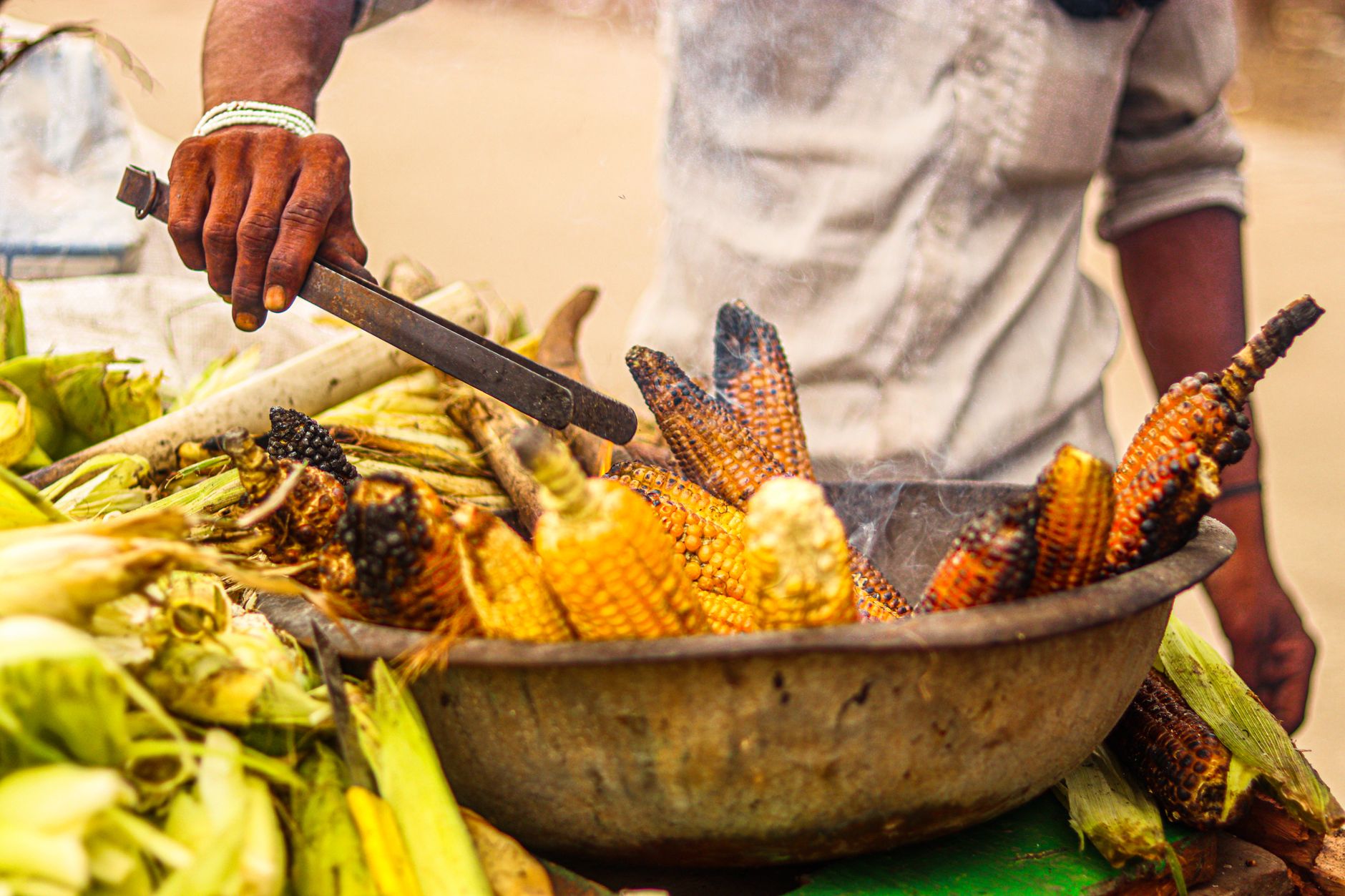
The team then took furanics, which are chemical compounds derived from agricultural byproducts like corn cobs and sugarcane bagasse, and used their new yogurt-pot-catalyst to convert them into the building blocks for jet fuel and industrial lubricants. The results were astounding. The catalyst derived from yogurt containers, dubbed PS-60 in the study, demonstrated what the researchers called "superior activity."
It achieved an 85.5% yield for one key fuel precursor and an 86.3% yield for another. More impressively, it significantly outperformed Amberlyst, a commercially available, petroleum-based catalyst used for similar industrial processes. The recycled plastic wasn't just a substitute; it was an upgrade. The study credits the catalyst's success to its high density of acid sites and its "pronounced hydrophobicity," a fancy way of saying it repels water, which makes the chemical reactions more efficient.
In the final step, these biomass-derived compounds were further processed using a second catalyst, a nickel-infused material called Ni/ZSM-5, to produce the finished product: a mix of alkanes perfectly suited for use as sustainable aviation fuel (SAF) and high-grade lubricants. The process yielded approximately 80% of these valuable fuel-range alkanes, demonstrating a viable pathway from the dairy aisle to the runway.
The connection between a yogurt cup and the Chilean sea bass on a restaurant menu in Chicago might not seem obvious, but it's direct and powerful. The modern food system is a marvel of logistics, heavily reliant on air freight to move perishable goods quickly across continents. That speed comes at a significant environmental cost. Aviation is responsible for a substantial slice of global carbon emissions, and the food industry is a major customer.
Sustainable aviation fuel is seen as one of the most critical tools for decarbonizing the airline industry. SAF can reduce lifecycle carbon emissions by up to 80% compared to traditional jet fuel. However, its widespread adoption has been hampered by two major obstacles: high cost and limited supply. Current production methods are expensive, often competing with food crops for land and resources.
The new process outlined in the ChemSusChem paper offers a tantalizing solution to both problems. By creating a crucial catalyst from something we currently throw away, it lowers the cost of production. It establishes a "circular catalysis strategy," valorizing plastic waste that would otherwise languish in landfills for centuries or pollute our oceans.
Polystyrene, often labeled with the recycling number 6, is notoriously difficult to recycle through conventional means. Many municipal programs don't even accept it.
This innovation gives polystyrene a new economic purpose, creating a financial incentive to collect and process it. Instead of being a costly environmental burden, discarded yogurt cups and other similar plastics become a valuable industrial feedstock. This could, in time, reduce the cost of SAF, making it more competitive with conventional fuel and accelerating its adoption by cargo airlines that transport our food.
THE HIDDEN ECONOMICS OF AIR-FREIGHTED FOOD
Walk through the produce aisle of any major supermarket in January and you'll find fresh berries from Mexico, asparagus from Peru, and green beans from Guatemala. The seafood counter boasts salmon from Norway and tuna from the Maldives. None of this would be possible without a well-oiled air cargo network.
This convenience has a price, both at the checkout counter and for the planet. The cost of air freight is a significant component of the final price of imported perishable goods. These costs are directly tied to the price of jet fuel.
When fuel prices spike, so does the cost of flying a pallet of raspberries from California to New York, and that increase is passed on to the consumer.
A more affordable and widely available supply of SAF could help stabilize and eventually lower these transportation costs. For consumers, this might mean less price volatility for out-of-season produce or imported specialty foods. For restaurants that rely on high-quality, fresh ingredients from afar, it could mean more predictable operating costs and the ability to keep exotic and exciting dishes on the menu without passing on exorbitant price hikes to diners.
Furthermore, the sustainability angle is becoming a major factor in consumer choice. Diners, particularly among millennial and Gen Z demographics, are increasingly aware of the carbon footprint of their food. A restaurant that can credibly claim its ingredients are sourced through a more sustainable supply chain has a powerful marketing advantage. The rise of a circular economy where food packaging waste helps power the planes that transport the next wave of fresh ingredients is a compelling story that resonates with a new generation of conscious consumers.
The implications of this research extend even beyond aviation. The process also yields high-grade lubricants, which are essential for the machinery that processes, packages, and transports our food. From the tractors in the field to the conveyor belts in a processing plant, the entire food supply chain runs on lubricants. Creating them from biomass using a recycled catalyst further reduces the industry's reliance on petroleum.
The development of a mesoporous Ni/ZSM-5 catalyst in the second stage of the process marks another significant leap forward. By creating more surface area and larger pores within the catalyst, the researchers made it easier for the bulky molecules to access the active sites, dramatically speeding up the reaction. They reported a tenfold higher rate of alkane formation compared to the standard version of the catalyst. This kind of process intensification is key to making new technologies economically viable at an industrial scale.
It showcases a path where environmental stewardship and industrial efficiency are not mutually exclusive. The res
Sources and methodology
Reported from primary records. Open any source to verify a claim.
More from the Foodie Pundit Newsroom
- How Chef Joshna Maharaj Is Redefining Food Access as a Fundamental Economic Right
- That Package from Amazon Is Getting Your Lunch Hot
- The Energy Drink Game Just Got a Power-Up: Celsius Shakes Up Its C-Suite
- The Unlikely Star of Chrissy Teigen's Kitchen: How A Humble Casserole Is Conquering Social Media
- Raleigh, Unfiltered: Your Guide to the Hottest New Tables