Your avocado toast is a security risk, thanks to tsa and coast guard
A new Government Accountability Office report finds major security risks in the TWIC program, potentially compromising the safety of food imported through U.S.
By Foodie Pundit Newsroom - Published - Updated - Section: Food Safety
Key points
- The TSA uses an "ad hoc" communication strategy, leading to port operators being uninformed about key security updates for the TWIC program.
- A GAO review found 888 security deficiencies and 83 violations, including unauthorized access to secure areas, at U.S. ports between 2019 and 2024.
- The U.S. Coast Guard collects data on these security failures but fails to share this critical intelligence with its own field inspectors.
- These security and communication breakdowns create risks for the U.S. food supply chain, potentially impacting the safety, cost, and availability of imported foods.
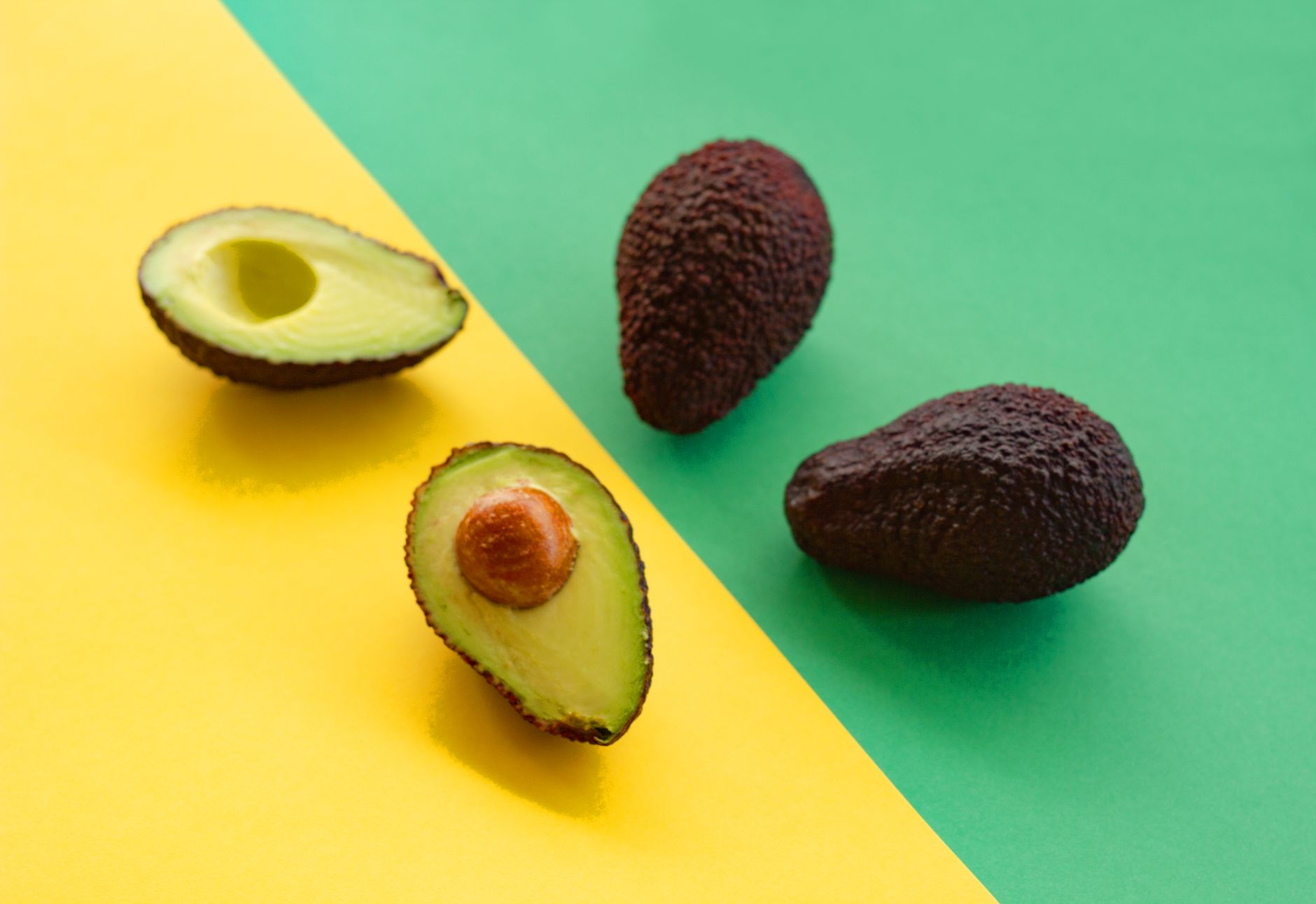
That avocado on your toast, the single-origin coffee beans for your morning pour-over, the bottle of Argentinian Malbec you are saving for Saturday night. They all have something in common. Long before they reached your kitchen, they likely spent weeks on the ocean, packed deep inside a shipping container, waiting to land at a U.S. port.
Their journey from a farm thousands of miles away to your table is a modern miracle of logistics, a complex dance of ships, cranes, and trucks. But it is also a journey that moves through a potential security blind spot. The safety of that avocado, and countless other foods we import every day, hinges on a system that a new government report suggests is not as secure as it needs to be.
A new investigation from the Government Accountability Office, or GAO, the independent watchdog arm of Congress, has uncovered significant lapses in the very program designed to protect our nation's bustling maritime hubs. The findings paint a troubling picture of bureaucratic inertia and missed opportunities, revealing cracks in the digital fortress meant to safeguard the global supply chain that keeps our pantries stocked.
It all centers on a little-known but critical piece of plastic: the Transportation Worker Identification Credential, or TWIC. For millions of port workers, this card is the key to their livelihood, and for the rest of us, it is a silent guardian of our food supply.
First, a little background. In the years after the September 11th attacks, a new urgency surrounded the security of our nation's infrastructure. Ports, with their constant flow of international cargo, were seen as uniquely vulnerable. The Maritime Transportation Security Act of 2002 set the stage for a new era of oversight, and from it, the TWIC program was born.
Managed by the Transportation Security Administration, the TSA, the program issues a sophisticated, tamper-resistant biometric card to maritime workers who need unescorted access to the secure areas of facilities and vessels. Think longshoremen, crane operators, truck drivers, and maintenance crews. As of last year, more than two million people held a TWIC card.
To get one, a worker must undergo a comprehensive security threat assessment, including checks against terrorist watchlists, criminal history records, and immigration databases. The card itself contains an integrated circuit chip that stores the holder's biometric data, a fingerprint template, adding another layer of verification. In theory, it is a robust system designed to ensure that only properly vetted individuals can get close to the millions of tons of cargo, including food, that pass through these zones each year.
The TSA handles the enrollment and background checks, while the U.S. Coast Guard is responsible for enforcing the rules on the ground, inspecting facilities to make sure they are compliant. It is a two-agency system meant to be a bulwark against terrorism, theft, and tampering. But according to the GAO, the communication and data sharing between these agencies and the port operators they oversee are dangerously flawed.
The GAO report, titled "Transportation Worker Identification Credential: Actions Needed to Address Maritime Security Risks," is not a document that screams for attention. It is written in the dry, measured language of government oversight. But reading between the lines reveals a system struggling with basic operational competence, leaving our ports, and the food supply within them, more vulnerable than they should be.
The investigators honed in on two critical failures: one of communication from the TSA, and one of data analysis from the Coast Guard. Neither sounds dramatic on its own, but together, they create a Swiss cheese model of security, where holes in the system align to create a pathway for potential disaster.
Imagine a port in New Jersey, where a container of premium Italian olive oil has just been offloaded. The security of that container relies on the port facility operator knowing and enforcing the latest TWIC protocols. But the GAO found that the TSA's method for sharing this crucial information is, to put itcharitably, a mess.
Instead of a documented, formal communication plan, the TSA relies on what the report calls an "ad hoc" approach. In practice, this means there is no clear, consistent, or reliable method for getting critical program updates to the people who need them most: the stakeholders on the ground.
Port operators told the GAO they experienced "declining engagement" and "delays receiving key program updates" from the TSA. This is the bureaucratic equivalent of your boss communicating a major project deadline change by randomly dropping it in one of seven different Slack channels, but never sending a company-wide email. It is a recipe for confusion and error.
This is not just about administrative paperwork. If the TSA updates a rule about, for instance, the specific procedures for verifying a TWIC card during a "heightened" security threat level, but that information does not reach a port facility manager in Los Angeles, a genuine security gap is created. If a new software update for card readers is released, but operators are not uniformly notified, they may be using outdated technology that could be more easily fooled.
The GAO's recommendation is simple and stunningly obvious: "Developing and implementing a communication plan could help TSA ensure that all stakeholders receive the information necessary to effectively operate the TWIC® program and reduce security risks." The fact that this needs to be said in 2026, nearly a quarter-century after the program's authorization, is concerning.
This failure to communicate creates a world where the security of a shipment of frozen shrimp in Miami might be governed by a different set of understood rules than a shipment of bananas in Long Beach, not because of policy, but because of inconsistent information flow. For a system designed to be a national standard, this randomness is a critical flaw.
Sources and methodology
Reported from primary records. Open any source to verify a claim.