Your burrito wrap just got caught in a massive federal scam probe
Your burrito's foil just got caught in a federal scam probe investigating if major packaging players are dodging duties on Chinese goods via Southeast Asia.
By Foodie Pundit Newsroom - Published - Updated - Section: Policy Regulation
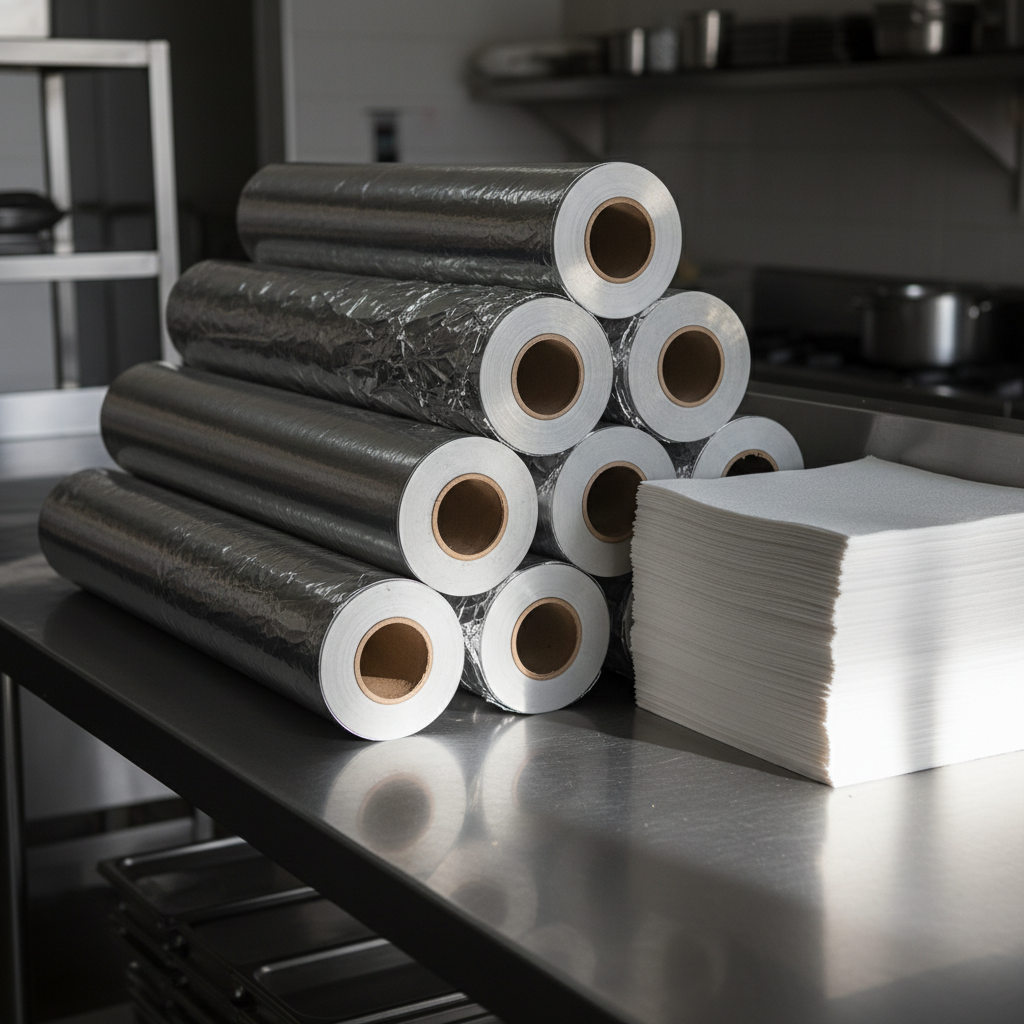
Key points
- The U.S. Department of Commerce has launched two major investigations into whether aluminum and paper products from Indonesia, Malaysia, and Vietnam are actually Chinese goods disguised to avoid taxes.
- Industry giant Reynolds Consumer Products LLC is a primary focus of the probe, facing potential retroactive duties that could reach hundreds of millions of dollars.
- Independent restaurants are at the highest risk for price hikes, as any new tariffs on packaging staples will likely be passed directly down to small business owners and consumers.
The kitchen is getting hot, but it has nothing to do with the stove. The U.S. Department of Commerce has officially turned up the heat on the supply chains that keep our favorite restaurants and home kitchens running. In a pair of newly minted investigations launched in August 2026, the federal government is digging into whether aluminum packaging and tissue paper imports are pulling a fast one on U.S. customs.
At the heart of the matter is a process known as "circumvention." The government is worried that products originally from China, which are subject to heavy anti-dumping and countervailing duties, are being rerouted through Indonesia, Malaysia, and Vietnam. The goal?
To slap a "Made in Indonesia" or "Made in Vietnam" sticker on the box and avoid the massive taxes that come with Chinese imports. One of the biggest names in the game, Reynolds Consumer Products LLC, is right in the crosshairs of this investigation.
For anyone who has ever wrapped a burrito in foil or wiped down a counter with a paper towel, this isn't just bureaucratic red tape. This is a potential earthquake for the cost of doing business in food. When the Department of Commerce starts looking into "duty evasion," they aren't just looking for missing paperwork.
They are looking for a systematic effort to bypass trade laws that were put in place to protect domestic industries. If the government finds that these products are indeed Chinese goods in disguise, the financial penalties could be staggering, and the cost of your foil-wrapped takeout could be about to spike. Who's On The Hook
The primary corporate heavyweight named in these proceedings is Reynolds Consumer Products LLC. If that name sounds familiar, it should. Whether it is the Reynolds Wrap in your pantry or the industrial-sized rolls of foil in a professional kitchen, Reynolds is the undisputed titan of the aluminum packaging world.
However, they aren't alone in the hot seat. The investigation targets specific imports of aluminum packaging from Indonesia and Malaysia, as well as tissue paper from Vietnam. While Reynolds is a primary focal point due to their massive market share and global supply chain, the probe casts a wide net over any entity involved in the importation and distribution of these materials.
This puts a spotlight on the "middlemen" of the food world. Wholesalers, large-scale distributors, and even major grocery chains that white-label their own aluminum and paper products could find themselves caught in the fallout. The Department of Commerce is essentially asking: "Do you actually know where your foil comes from, or are you just looking at the country of origin listed on the bill of lading?"
For Reynolds, the stakes are existential. As a leader in consumer goods, any disruption to their ability to source affordable raw materials or any massive fine for duty evasion would ripple through their quarterly earnings and their reputation with eco-conscious, transparency-seeking Gen Z consumers. So here's the scam
The core of the Department of Commerce's suspicion is that the "transformation" of these goods in Southeast Asia is a sham. In trade law, for a product to legally change its country of origin, it must undergo "substantial transformation." For example, if you take raw aluminum ingots from China and turn them into finished, branded foil in Indonesia, that might count.
But the government alleges something much more cynical. The suspicion is that Chinese manufacturers are shipping nearly finished aluminum packaging and tissue paper to Malaysia, Indonesia, or Vietnam. Once there, these products undergo minimal processing, perhaps just final cutting or packaging, and are then exported to the U.S. as if they were local products.
This is a classic "country hopping" strategy. By avoiding the high duties placed on Chinese goods, these companies can undercut domestic U.S. manufacturers who are playing by the rules. The Department of Commerce is particularly interested in whether the facilities in Indonesia and Malaysia are actually capable of producing the volume of aluminum being exported, or if they are simply glorified transit hubs for Chinese metal.
The same logic applies to the tissue paper coming out of Vietnam. If these allegations hold water, it means the U.S. market has been flooded with "subsidized" goods that have an unfair price advantage, effectively cheating the U.S. Treasury out of millions in customs revenue. Financial Fallout
While the specific dollar amounts of the potential fines haven't been released yet, the "Financial Fallout" section of any duty evasion case is usually written in red ink. When the Department of Commerce confirms circumvention, they don't just start charging the new, higher duty on future shipments. They can apply these duties retroactively.
For a company like Reynolds, this could mean paying back-dated duties on years of imports. We are talking about potential liabilities that could reach into the hundreds of millions of dollars depending on the volume of the trade. But the financial pain isn't limited to the corporate defendants.
When duties are slapped on a product category, the price increases are passed down the chain instantly. If aluminum packaging from Indonesia suddenly becomes 25% or 50% more expensive due to new tariffs, that cost is absorbed by the food processor, then the distributor, then the restaurant, and finally the consumer. In an industry already reeling from food inflation, a sudden jump in the cost of basic supplies like foil and paper towels could be the breaking point for low-margin operations. We are looking at a scenario where the "hidden costs" of the supply chain become very visible on the bottom line of every bistro and taco truck in America. Big Tobacco Parallels
It might seem like a stretch to compare aluminum foil to cigarettes, but the legal playbook here feels strangely familiar to anyone who followed the Big Tobacco litigation of the late 90s. The common thread is "knowledge and intent."
In the tobacco cases, the big win for plaintiffs came when they proved that companies knew their products were addictive and harmful but marketed them as safe anyway. In duty evasion cases, the "smoking gun" is usually internal documentation showing that a company knew their suppliers were rerouting goods to avoid taxes.
If the Department of Commerce finds internal memos or emails at these major corporations discussing the "tax benefits" of sourcing from specific Southeast Asian factories that just happened to be owned by Chinese parent companies, the "corporate tea" will be particularly bitter. It moves the conversation from a technical mistake to a deliberate scheme to defraud the government. Gen Z consumers, who value brand ethics and transparency above almost everything else, are unlikely to forgive a company that is found to be intentionally dodging trade laws meant to protect fair competition. The "Big Tobacco" moment for the food packaging industry could be this transition from being seen as a boring utility provider to being viewed as a deceptive global actor. RIP indie burrito spots
This is where the story hits home for the local foodie scene. Independent restaurants are the most vulnerable link in the food ecosystem. Unlike giant chains like McDonald's or Chipotle, which have long-term fixed-price contracts for their supplies, small restaurants buy from distributors at market rates.
If this investigation leads to a massive hike in aluminum and paper prices, the neighborhood spot isn't going to have a "legal department" to fight the charges. They just get a higher bill from their delivery driver on Tuesday morning. Aluminum foil is a staple in professional kitchens for everything from prep work to food storage to roasting. Tissue paper and paper products are equally essential for hygiene and service.
For a small business, a 30% increase in the cost o
Sources and methodology
Reported from the public datasets below.
More from the Foodie Pundit Newsroom
- TikTok Transforms Home Cooks into Culinary Icons
- How Starbucks Converted a Viral TikTok Trend Into a Permanent Revenue Stream
- Chick-fil-A Commits Over One Billion Dollars to Global Expansion Push
- New York City Restaurant Scene: Spring Real Estate and Culinary Shifts
- Coke Exec Exits: What Does It Mean For Your Favorite Fizz?