A Mystery Zam's Just Opened In Pensacola
The new spot celebrated its American debut with a ribbon-cutting, but details about the concept remain scarce.
By Foodie Pundit Newsroom - Published - Updated - Section: Restaurant Openings
Key points
- A new restaurant, Zam's, has opened in Pensacola, marking the brand's first location in the United States.
- The opening was confirmed by a trade media report detailing a ribbon-cutting ceremony and community festivities.
- Virtually no other details are known, including the restaurant's cuisine, exact location, or the operators behind it.
- The lack of information has created an air of mystery around the new establishment, a rare occurrence in the modern restaurant industry.
- The choice of Pensacola for a U.S. debut is a notable strategic decision, suggesting a specific plan for entering the American market.
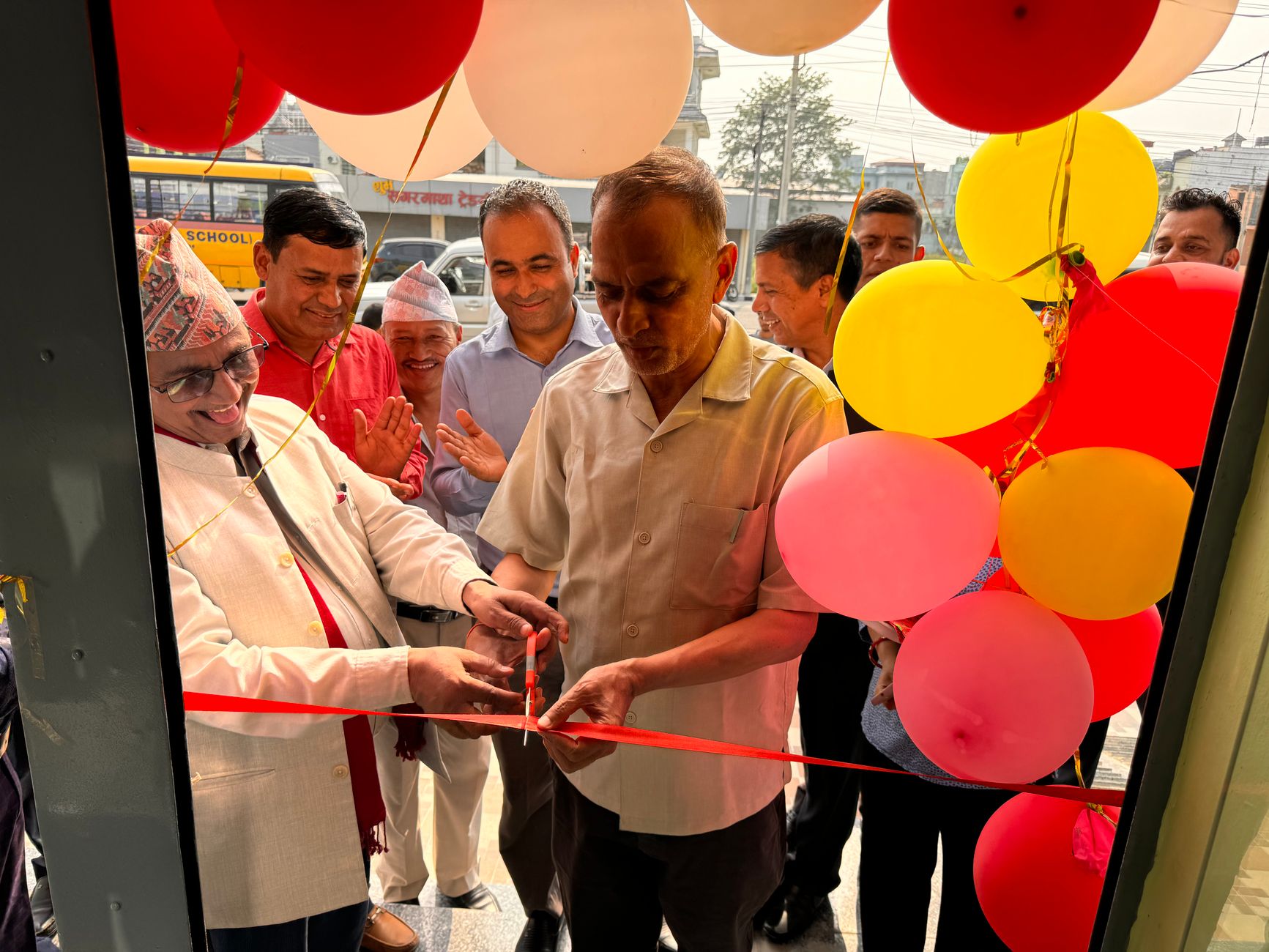
A new restaurant has officially arrived in Pensacola, but its presence is, for the moment, more of a whisper than a shout. Zam's, a name entirely new to the Gulf Coast dining vernacular, held a ribbon-cutting ceremony and community festivities to announce its arrival, an event captured by the industry publication RestaurantNews. com on July 27, 2026.
This ceremonial act is a definitive signal of an opening, the formal start of a new chapter. Yet, what that chapter will contain remains a complete unknown. The report noted this as the brand's first foray into the United States, a significant detail that only deepens the enigma.
Beyond this single, sparse dispatch from the business-to-business wire, there is a profound silence. No website has surfaced, no social media accounts are claiming the name, no menu has been teased, and no culinary philosophy has been declared.
This quiet entrance into the Pensacola market is a genuine anomaly in an era where restaurant openings are meticulously choreographed productions, often preceded by months, if not years, of digital breadcrumbs, influencer campaigns, and detailed press releases. The story of Zam's is currently a blank slate, a vacuum of information that has transformed a simple opening into an object of intense local curiosity. The deliberate silence could be interpreted as a masterful stroke of marketing, designed to build organic buzz and allow the food and atmosphere to define the brand without preconceived notions.
Alternatively, it could be the practical choice of an operator who values a "soft opening" phase, letting the kitchen and front-of-house teams calibrate their service away from the glare of a full-scale launch. Whatever the logic, this lack of information has made Zam's the most compelling puzzle in the city's food scene. A new player is on the field, their first move was to throw a party, and now, everyone is waiting to see what game they have come to play.
The evidentiary trail for Zam's is short, but each piece is significant in what it confirms and what it implies. The foundation of our knowledge is a single media mention from a specific and telling source: RestaurantNews.com.
First, let's analyze the source itself. RestaurantNews. com is a trade publication, a platform where news about the hospitality industry is shared primarily for an audience of industry professionals, other restaurateurs, investors, chefs, and suppliers.
The fact that the Zam's opening was announced here, rather than in local consumer-facing media like the Pensacola News Journal or a regional lifestyle magazine, is a curious strategic choice. It suggests the communication was intended to signal to the business world that a new entity had planted its flag, rather than to directly attract diners. This could mean the operators are more focused on a larger, multi-unit rollout strategy where industry awareness is paramount, or it could simply be the first, and easiest, press outlet their communications team engaged.
The content of the report, though brief, provides two concrete facts. The first is the existence of a ribbon-cutting ceremony. This is more than just a party; it is a formal, civic-coded event.
Ribbon-cuttings are a classic rite of passage for a new business, often involving the local Chamber of Commerce, and they serve as an official declaration to the community that the establishment is open and ready for business. It is a public and deliberate act that moves Zam's from the realm of rumor into the category of a confirmed, operational entity. The report's mention of accompanying "community festivities" further suggests an on-the-ground effort to welcome the public, though the nature of these events, whether they involved food samples, tours, or simple meet-and-greets, is not specified.
The second, and arguably more critical, piece of information is that this Pensacola location represents the "first U.S. location" for the Zam's brand. This single phrase reframes the entire story. This is not a local independent startup or a new concept from a known Pensacola restaurant group.
This is an international market entry. It signifies that Zam's is an existing brand from another country making a strategic, and likely well-funded, move into the highly competitive American restaurant landscape. The mystery now expands beyond "What is Zam's?"
to include "Where does Zam's come from?" and "Why choose Pensacola for a national debut?" This detail elevates the stakes considerably, suggesting a larger corporate structure and long-term ambitions that go far beyond a single storefront.
What is starkly absent is any other form of documentation. There are no building permits or liquor license applications on public record that can be definitively tied to the name "Zam's" without a specific address. There are no inspection reports, no corporate registration filings under that name that have been made public, and most conspicuously in 2026, no digital footprint.
The complete lack of a website, an Instagram profile, or a Facebook page is what tips the situation from merely discreet to deeply mysterious. In essence, the paper trail confirms that a brand new to the U.S. has officially launched in Pensacola with public ceremony, but has chosen to withhold every other detail that would typically define a restaurant's identity.
With no named operator, chef, or parent company, we are left to analyze the context of the actions themselves. The decision to launch an international brand's first U.S. location in Pensacola, rather than a primary media market like New York, Los Angeles, or Miami, is a significant strategic tell. Launching in a major metropolis guarantees intense media scrutiny, high operational costs, and fierce competition from the outset.
A city like Pensacola offers a different set of advantages. It provides a more controlled environment to test a concept, work out logistical kinks, and adapt to American consumer tastes with a lower financial burn rate and without the high-stakes pressure of a New York Times review.
Pensacola can be seen as a representative cross-section of an American market, it has a stable local population, a significant military presence providing a diverse and rotating demographic, and a robust tourism industry. Success here could be seen by an international firm as a strong indicator of potential success in other mid-sized American cities. This choice suggests a methodical, data-driven approach rather than a splashy, ego-driven one. The operator, whoever they are, may be more interested in building a sustainable, scalable model than in generating immediate, headline-grabbing buzz.
The "radio silence" strategy also offers clues. This is not the approach of a small, independent restaurateur who typically relies on local press and social media to drive traffic from day one. This level of intentional quiet suggests a confidence that stems from one of two places: either deep financial backing that makes immediate profitability less of a concern, or an absolute, unwavering belief in the power of the product itself to generate word-of-mouth.
This could be a "quiet luxury" play, where exclusivity and discovery are part of the appeal. By making information scarce, the brand creates an air of mystique that can be attractive to discerning diners tired of the constant marketing barrage. It forces the conversation to be about the actual experience inside the four walls, as reported by those who have been there.
It is a high-risk, high-reward strategy that places an enormous amount of pressure on the operation to be flawless from the moment the doors open.
The name "Zam's" itself is a blank canvas. It's short, modern, and phonetically simple. It lacks any obvious ethnic or culinary signifiers, which could be intentional.
It avoids pigeonholing the concept, allowing it to be defined by the food. It could be a founder's name or nickname, an acronym, or a word with a specific meaning in its language of origin that is not yet apparent to an American audience. The ambiguity of the name perfectly matches the ambiguity of the launch, suggesting a cohesive, if unorthodox, branding strategy.
Without a specific address, placing Zam's within Pensacola's broader geography is impossible. However, we can analyze the city's dining landscape to understand the ecosystem it has just entered. Pensacola boasts a dynamic and evolving food scene that has been steadily gaining recognition.
Its foundation is built on its Gulf Coast location, with a rich tradition of seafood-centric, Southern-style cooking. Freshly caught snapper, grouper, and shrimp are staples, served everywhere from rustic fish shacks on the beach to more upscale restaurants downtown.
Downtown Pensacola, particularly around Palafox Street, has become the city's culinary heart. It's a vibrant, walkable corridor packed with a diverse mix of establishments: chef-driven restaurants offering inventive new American cuisine, sophisticated cocktail bars, casual pizzerias, and long-standing institutions. This area attracts a mix of young professionals, tourists staying in nearby hotels, and locals celebrating a night out. Any new concept entering this dense, competitive environment would need a strong, clear identity to stand out.
Beyond downtown, the culinary map diversifies. The East Hill neighborhood offers a more relaxed, residential vibe with beloved neighborhood bistros and cafes. The Cordova Mall area is a hub for familiar national chains and fast-casual options catering to shoppers and families.
Further west, toward the Naval Air Station, the dining options often cater to the large population of military personnel and their families, with a mix of casual, affordable, and internationally diverse eateries. And of course, Pensacola Beach has its own distinct scene, heavily focused on tourists and serving up beach-friendly fare and tropical drinks with a view.
Zam's, therefore, has landed in a city with multiple distinct dining territories, each with its own demographic and rhythm. If it's a high-end, concept-driven restaurant, it would most logically fit into the downtown scene. If it's a fast-casual brand designed for scalability, the Cordova area or a high-traffic suburban corridor would make more sense.
If its cuisine has a specific international appeal, it might thrive near the diverse military community. The mystery of its location is therefore directly tied to the mystery of its target audience. Its arrival forces us to ask: what gap in the Pensacola market does this unknown international entity believe it can fill?
Is it bringing a type of cuisine the city lacks, a service style that is new, or a price point that is underserved? The answer will begin to emerge as soon as its address becomes public knowledge.
For the dining public of Pensacola, the arrival of Zam's presents a rare and exciting opportunity: the chance to be a true culinary pioneer. In a world where every new dish is instantly photographed and reviewed, the experience of walking into a restaurant with absolutely no preconceived notions is almost extinct. The first wave of customers at Zam's will not have seen a single filtered photo of their meal, read a single Yelp review, or scrolled through a menu online. Their verdict will be based entirely on the sensory experience: the decor, the greeting at the door, the aroma from the kitchen, the taste of the food.
The complete lack of information means that word-of-mouth will be disproportionately powerful in shaping Zam's initial reputation. Early reports from friends, family, and local online communities will carry immense weight, filling the informational void left by the operators. This creates a dynamic where the community itself will build the story of Zam's, one meal and one conversation at a time.
What might they find? The possibilities are wide open. The name "Zam's" offers few clues.
It could be a playful shorthand for a modern American concept. It could have roots in a Middle Eastern language, hinting at cuisines from the Levant or Persia. It could be an acronym for a complex corporate name, suggesting a more sterile, fast-casual environment.
The type of venue is equally uncertain. Is it a fine-dining destination requiring reservations weeks in advance? Is it a counter-service spot for a quick and affordable lunch?
Or is it a ghost kitchen, a delivery-only operation that exists only as a name on an app? The "community festivities" suggest a physical, public-facing space, but its scale and style remain unknown.
This mystery makes the first visit an adventure. Diners should be prepared for anything. The experience will be a blank slate, offering a refreshing departure from the algorithm-driven dining choices that have become so common.
The central question for anyone curious enough to seek it out is simple: is the product strong enough to justify the silence? Will the food and service be so compelling that the lack of marketing becomes a legendary part of its origin story? Or will the reality fall short of the intrigue, a cautionary tale about substance versus style?
For Pensacola diners, being among the first to find out is the immediate, tangible reward.
Sources and methodology
Reported from the public datasets below.
More from the Foodie Pundit Newsroom
- That Fancy Box of Pasta on the Shelf? It Is Probably Not From Italy
- Walmart and Target Target Gen Z With Grocery App Redesigns and Value Plays
- Beloved Bay Area Culinary Gem Files Bankruptcy As High Costs Pressure Local Restaurants
- Seventy Year Old Bay Area Diner Permanently Closes Its Doors
- Papa John's Accelerates Digital Growth Through Loyalty Upgrades and App Modernization