Salmonella and Illegal Dyes: The FDA's New Import Crackdown Is a Kitchen Nightmare
Your favorite imported spices, like paprika or turmeric, might get pricier or disappear because FDA is stopping illegal ingredients at the border.
By Foodie Pundit Newsroom - Published - Updated - Section: Food Safety
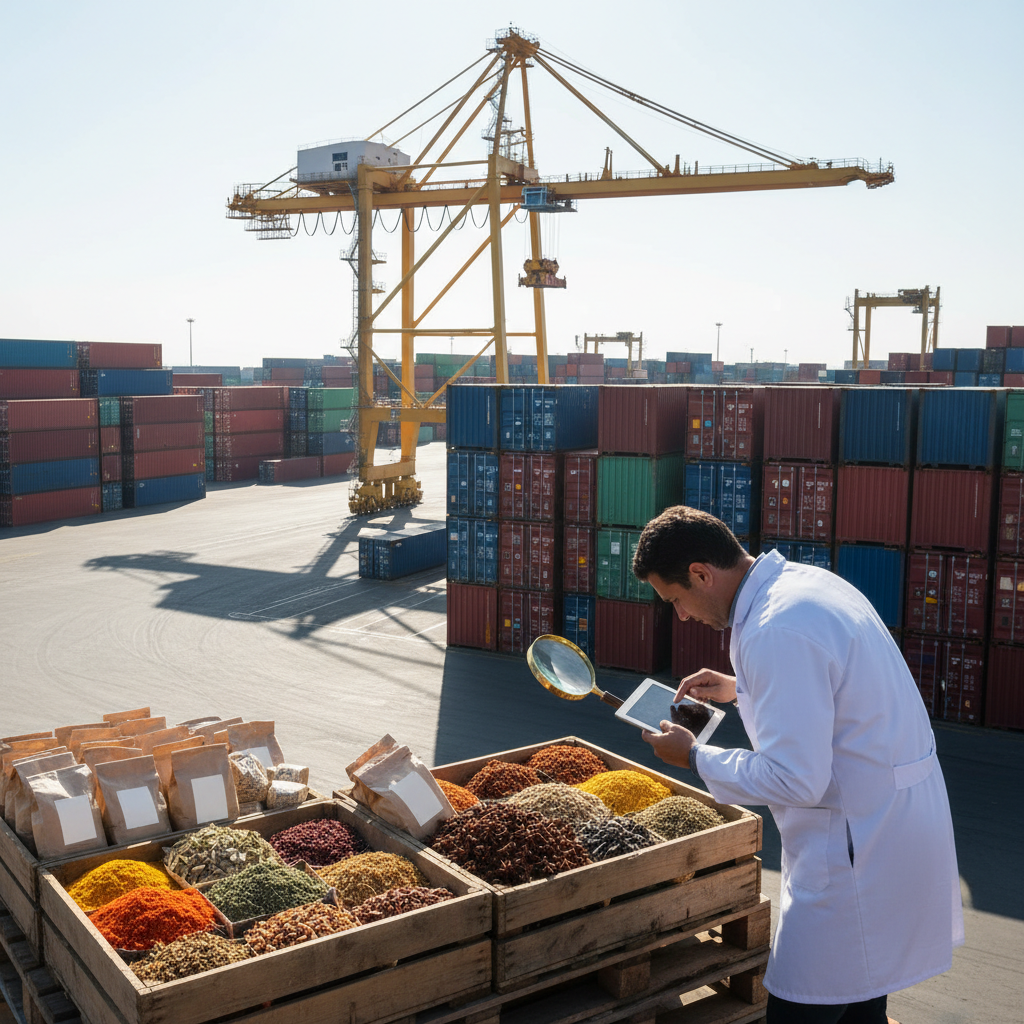
Key points
- The FDA is aggressively updating its Import Alert lists, forcing international food producers to prove their products are safe before they enter the U.S. market.
- Salmonella contamination and the use of banned synthetic colors are the top targets, posing significant health and legal risks for any restaurant using these ingredients.
- Independent operators can be held liable for 'consumer fraud' or negligence if they use misbranded imported goods that contain undisclosed allergens or toxins.
The global food supply chain is a massive, tangled web of logistics that most diners never see. We focus on the aesthetic of the plate, the drizzle of the sauce, and the vibe of the restaurant. But behind the scenes, a high-stakes game of regulatory cat-and-mouse is playing out at every American port of entry.
On June 19, 2026, the Food and Drug Administration (FDA) dropped a massive update to its import alerts, signaling a major crackdown on foreign food products that fail to meet U.S. safety standards. For the independent restaurant world and the average foodie, this is much more than a routine government list. It is a warning shot about the ingredients we use every single day.
The report highlights a trifecta of industry nightmares: Salmonella contamination, the use of illegal food colors, and rampant misbranding. These are not just technical paperwork errors. They represent deep-seated risks that can bankrupt a small business overnight if a customer gets sick or if a kitchen's favorite \"secret\" imported spice suddenly becomes illegal to possess. The Legal Tea
To understand why this matters, we have to look at how the FDA handles international trade. The agency uses something called \"Import Alerts\" to stop potentially dangerous food before it reaches your local specialty market or the back door of a bistro. When a product or a specific manufacturer is placed on an import alert, it means the FDA has found enough evidence of a problem to warrant \"Detention Without Physical Examination\" (DWPE).
Essentially, the burden of proof flips. Usually, an item is innocent until proven guilty. Under an import alert, the food is guilty until the importer proves it is safe.
This latest batch of updates across various import alerts shows that the FDA is doubling down on enforcement. The agency is looking for more than just dirt or bugs. They are hunting for pathogens like Salmonella and chemical additives that have been banned in the U.S. for decades.
For the foodie community, this transparency is the corporate tea we need to hear. We often celebrate \"authentic\" ingredients sourced from overseas, but this regulatory data suggests that some of those ingredients are cutting corners at the expense of our health. Who Is On The Hook
The defendants in these scenarios are not always single companies in a courtroom. Instead, they are international manufacturers and the domestic importers who bring these goods across the border. When the FDA modifies an import alert, it often adds specific companies from countries like India, Mexico, China, or Thailand to a list of entities whose products are effectively banned until they can undergo rigorous (and expensive) testing.
If you are a restaurant owner using an imported chili oil or a specific type of dried snack that gets flagged, you are the one left holding the bag. You might not be the primary defendant in a federal case, but you are the person who has to explain to a customer why they are sick. The legal liability ripples down the chain. If an importer brings in misbranded food that contains an unlisted allergen or an illegal dye, every business that sells that product could potentially face lawsuits if things go south. So here's the tea
The core allegations listed in the June 2026 updates fall into three major categories that actually impact the kitchen.
First, there is Salmonella. This is the heavy hitter of foodborne illness. Unlike some bacteria that usually just cause a bad night, Salmonella can lead to hospitalizations and long-term joint pain. The FDA found it in diverse products, ranging from spices to seafood. When Salmonella is found at the border, it usually points to poor sanitation at the processing plant or contaminated water used during production.
Second, we have the "illegal colors" issue. This sounds like an aesthetic choice, but it is actually a serious chemical safety concern. Many countries still use synthetic dyes that the U.S. has linked to hyperactivity in children or potential carcinogenic risks.
These dyes are often used to make products look "fresher" or more vibrant than they actually are. It is a form of deception that masks the true quality of the food.
Third is misbranding. This is the most "low-key" but dangerous allegation. Misbranding often involves failing to declare allergens on a label or claiming a product is "all natural" when it is loaded with preservatives. In the world of high-end dining, where "transparency" and "sourcing" are major marketing buzzwords, using misbranded products is a fast track to a PR disaster and a legal nightmare. Financial Fallout
The financial impact of these import alerts is staggering, even if a formal settlement amount has not been reached in a specific lawsuit. When a product is detained at the border, the importer loses the cost of the goods, the cost of shipping, and the cost of storage. If the goods are ultimately refused entry, they must be destroyed or exported back to the country of origin at the importer's expense.
For independent restaurants, the fallout is felt in "ingredient inflation." When a major source of a specific imported ingredient is cut off by an FDA alert, the price for the remaining safe supply skyrockets. A small ramen shop that relies on a specific imported noodle or dried fungus might see its food costs jump by 20% overnight.
Furthermore, there is the "unseen" cost of testing. If a restaurant wants to continue using a supplier that has been flagged, they may have to pay for independent lab testing to prove to their own insurance companies that the product is safe. For a small business, these $500-to-$2,000 lab fees for every shipment are simply not sustainable. Big Tobacco Parallels
We keep our own count of what this runs on a menu. Across 18,982 menu readings we logged in 387 cities, the middle price for a restaurant plate sits at $9.00. Those are our readings, off menus we watch, and they are the yardstick we measure this against.
Sources and methodology
Reported from the public datasets below.
More from the Foodie Pundit Newsroom
- Mastering The Croissant: Science And Temperature Control Drive Viennoiserie Success
- Summer Resurgence of Girl Dinner Highlights Shifting Consumer Economics and No-Cook Preferences
- Customer Foot Traffic Soars As Restaurant Industry Enters Rapid Growth Phase
- Lincoln Just Got Way More Toasted
- C-Suite Shakeup: Ag Trader Sadot Group Sued By Former Exec Over Alleged $150K Unpaid Severance