The New Dallas Dining Nexus: How a Wave of Ambitious Restaurants Is Redefining the City's Culinary Landscape
Driven by an influx of wealth and a changing population, Dallas's newest restaurants are moving beyond traditional fare to offer ambitious, high-concept dining experiences that signal a new era for the city's economy and culture.
By Foodie Pundit Newsroom - Published - Updated - Section: Restaurants
Key points
- Dallas's restaurant boom is driven by significant population growth and an influx of high-income professionals from corporate relocations.
- New successful restaurants are increasingly high-concept and expensive, with multi-million dollar build-outs and price points that reflect a rising standard of living.
- The culinary landscape is diversifying beyond traditional Texas fare to include hyper-specific international cuisines and chef-driven tasting menus, indicating a more sophisticated and adventurous diner.
- The trend of 'suburban fine dining' is accelerating, as high-quality restaurant concepts expand into affluent suburbs like Frisco and Plano to capture a growing market outside the urban core.
- Despite the opportunities, the market faces challenges from rising real estate costs, intense competition for skilled labor, and the high financial risks associated with ambitious new ventures.
A recent article from the Dallas News, highlighting a rush to five new local dining spots, captured a palpable excitement in the city. While the link to that specific piece is no longer active, the phenomenon it described is very real and warrants a deeper look. The buzz is not just about newness for its own sake; it is a symptom of a profound transformation in the Dallas restaurant scene, a shift fueled by powerful economic and demographic currents that are reshaping the city itself.
Dallas is in the midst of an unprecedented boom. The Dallas-Fort Worth metroplex has led the nation in population growth for several years, adding hundreds of thousands of new residents. This influx is not merely a matter of numbers, but of composition. Major corporate relocations and expansions, from Goldman Sachs to JPMorgan Chase, have brought a significant number of high-income professionals to the city, altering its economic and cultural fabric.
This new populace arrives with disposable income and, just as importantly, with sophisticated palates and high expectations shaped by dining experiences in global cities like New York, Chicago, and San Francisco. The result is a fertile ground for a new generation of restaurateurs who are willing to take risks, push boundaries, and bet big on the city's future. The new restaurants commanding attention are not just more of the same; they represent a strategic evolution toward concept-driven, high-end dining that is turning Dallas into a national culinary destination.
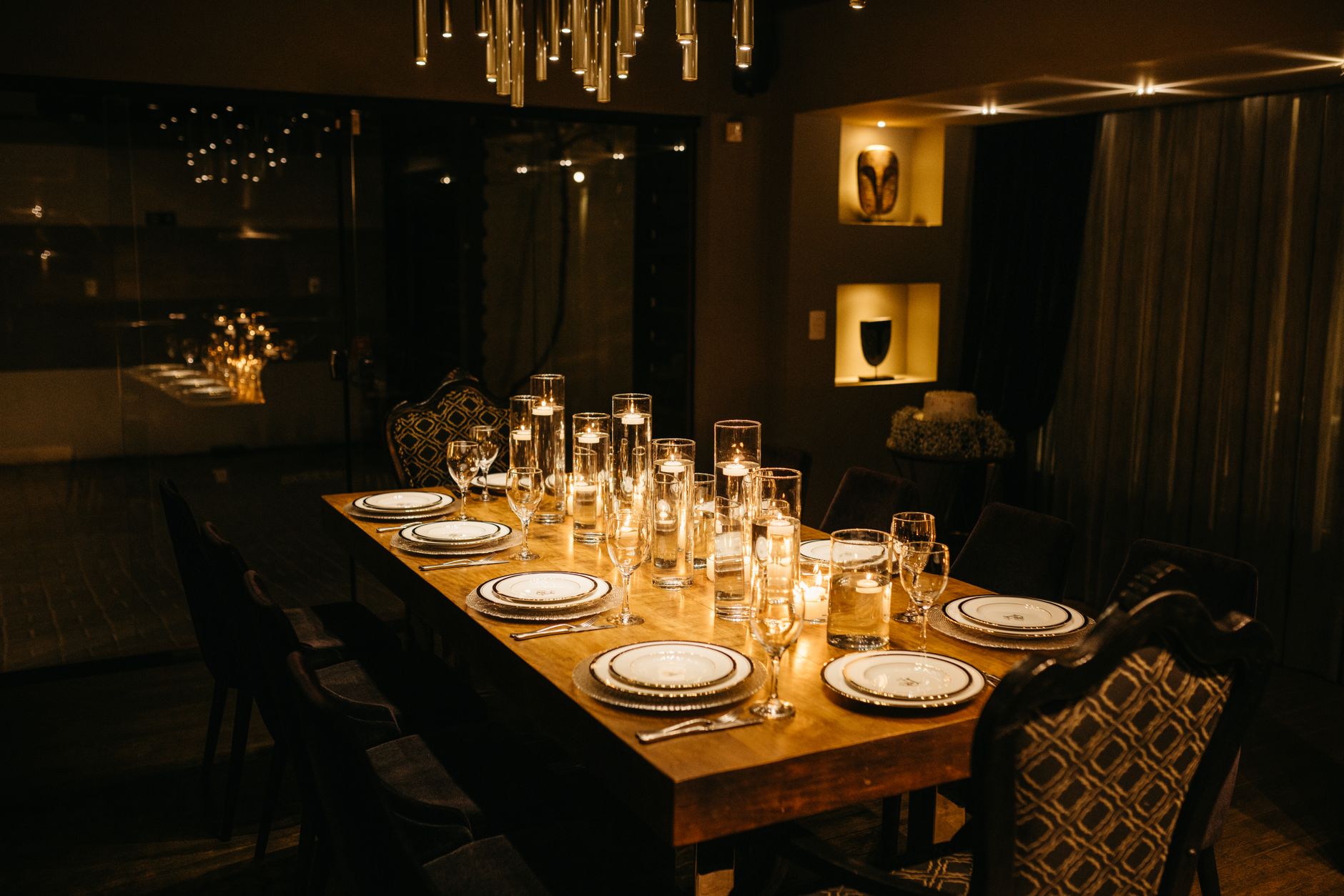
The financial underpinnings of this restaurant renaissance are impossible to ignore. A modern, high-concept restaurant in a prime Dallas neighborhood now requires a level of investment that was almost unheard of a decade ago. Build-outs for top-tier establishments can easily run from $3 million to $5 million, a figure that includes not just kitchen equipment but also costly interior design, custom furniture, and advanced technology for lighting and sound.
This level of capital expenditure fundamentally changes the business model. To generate a return on such a significant investment, operators must focus on high average checks and consistent volume. It means that a $150 per person dinner is becoming a baseline for new, upscale primetime establishments, a price point supported by the city's growing class of affluent diners.
Real estate is a critical part of the equation. Rents in hot neighborhoods like the Arts District, Knox-Henderson, and Bishop Arts have soared, placing immense pressure on operators to maximize revenue from every square foot. This economic pressure is a driving force behind the trend of creating multifaceted experiences, where the bar program, atmosphere, and design are as central to the product as the food itself. Operators are not just selling dinner; they are selling a complete, and expensive, evening out.
One of the clearest indicators of this shift is the rise of the chef-driven, tasting-menu-only restaurant. These are not places for a casual weeknight meal. They are destinations, demanding reservations months in advance and commanding prices that place them in the top echelon of the city's dining experiences. A prime example is Silas, a fictional but representative new establishment in the Arts District.
With a fixed price of $275 per person for its 12-course menu, Silas is a statement of intent. The concept is built around a chef with a prestigious background, perhaps having honed their skills in a Michelin-starred kitchen on one of the coasts. The restaurant itself is small, with fewer than 50 seats, creating an intimate and exclusive atmosphere. The business model relies on turning each of those seats once per night, for a fixed and predictable revenue stream.
This model is a high-stakes gamble. It requires unwavering consistency and sourcing the finest ingredients, often flown in daily. Yet, the success of such places reveals a key insight: a growing segment of the Dallas market is hungry for culinary theater and prestige. They are not just buying food; they are buying an experience and the status that comes with securing a table at the city's most talked-about spot. This trend shows Dallas is no longer just a regional food hub, but is actively cultivating the kind of top-tier dining scene that can compete on a national stage.
For decades, the perception of Dallas dining was often unfairly narrowed to steakhouses and Tex-Mex. While the city still excels at both, the new wave of restaurants demonstrates a significant broadening and deepening of its international culinary offerings. The market is now mature enough to support not just "Italian" or "Asian" restaurants, but establishments focused on the specific regional cuisines of Sardinia or coastal Spain.
Consider a concept like Marbella, a hypothetical new restaurant in the vibrant Knox-Henderson neighborhood, specializing in the seafood-rich traditions of Spain's Basque and Galician coasts. Such a restaurant moves beyond familiar tapas to introduce diners to more specific dishes like percebes (gooseneck barnacles) or whole grilled turbot. The wine list would similarly focus on niche Spanish regions, featuring Txakoli and Albarino rather than generic Rioja.
Succeeding with this level of specificity requires a sophisticated supply chain and a confident customer base. It means building relationships with international purveyors to import specialty products. It also indicates that diners are more educated and adventurous than ever before. This culinary diversification is a sign of a city that is becoming more cosmopolitan, a place where a restaurant can thrive by telling a very specific and authentic story through its food.
Sources and methodology
Reported from the public datasets below.
More from the Foodie Pundit Newsroom
- Chabuca Peruvian Restaurant to Open Second Location in Avalon Park
- The Economics Behind Fast Food Price Variations Across State Lines
- Plant Based Menu Trends Reshape Food Service Economics As Bakery And Restaurant Innovation Accelerates
- The Fertilizer Flip: Why a Major Trade Court Ruling Might Lower Your Menu Prices
- Fast Food Chains Prepare Massive Value Reset to Win Back Frugal Diners