Akira Back Enters London Hospitality Market With Luxury Mayfair Opening
Chef Akira Back expands his global empire with a flagship opening inside the Mandarin Oriental Mayfair, signaling continued strength in London luxury dining.
By Foodie Pundit Newsroom - Published - Section: Luxury Dining
Key points
- Chef Akira Back opens his first UK flagship inside the Mandarin Oriental Mayfair.
- The menu highlights signature high-end dishes such as truffle tuna pizza and premium Wagyu beef.
- The launch reflects a ongoing trend of luxury hotels partnering with global chef brands.
- London prime hospitality real estate continues to draw strong investment despite broader economic pressures.
LONDON CUISINE HIGHLIGHTS HIGH-STAKES LUXURY
The arrival of Akira Back in London marks a major milestone for the capital city hospitality sector this season. Situated within the opulent Mandarin Oriental Mayfair, the venue represents the flagship British entry for chef Akira Back, who already operates more than twenty locations across the globe. As reported by Evening Standard, the launch comes at a time when London dining scene competition remains exceptionally fierce, particularly in the high-end Asian gastronomy segment. Investors behind the project are betting that brand recognition and a distinct culinary style will draw both international travelers and discerning local diners.
The restaurant features a dramatic multi-level space designed to capture the attention of high-net-worth consumers. A sleek spiral staircase connects the main dining room with private dining suites and a dedicated lounge cocktail bar area. The menu combines traditional Japanese foundation techniques with international flourishes, reflecting chef Back's personal history as a former professional snowboarder who trained extensively in classic culinary arts across the United States and Asia. The physical architecture of the dining space mirrors this blend of contemporary aesthetics and traditional structure.
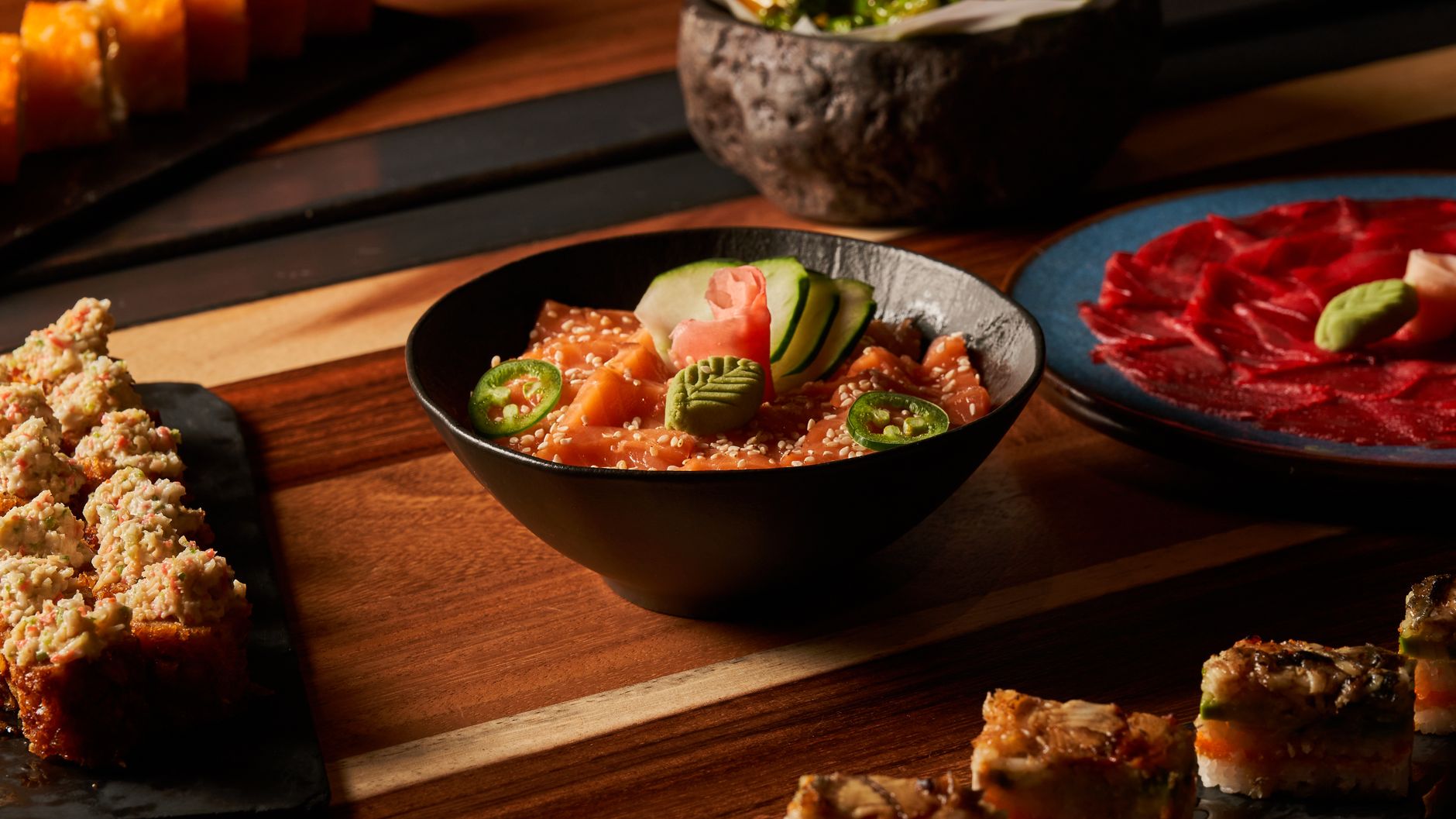
The menu strategy at Akira Back relies heavily on signature dishes that have proven successful across the brand's global network of luxury properties. Standout items include a cold tuna pizza drizzled with truffle oil and micro herbs, as well as high-grade Wagyu beef preparations that command premium price points. Fresh seafood is flown in daily through specialized supply chain logistics, ensuring that raw fish offerings meet international luxury dining benchmarks. The operational complexity of maintaining such supply chains in post-Brexit London represents a significant capital investment.
Front-of-house operations are calibrated to match the high expectations associated with the Mandarin Oriental hotel brand. Service staff undergo rigorous training in beverage pairings, table management, and detailed dish descriptions to maintain service speed without sacrificing hospitality warmth. The beverage program features an extensive selection of rare sakes, high-end Japanese whiskies, and bespoke cocktails engineered to complement the rich profiles of the food menu. Managing these inventory levels requires precise forecasting to balance high upfront costs against unpredictable dining volume fluctuations.
ECONOMIC IMPLICATIONS FOR MAYFAIR HOSPITALITY
The opening highlights the broader economic trend of luxury hotels partnering with globally recognized celebrity chefs to drive food and beverage revenues. Rather than running in-house hotel dining concepts, properties increasingly rely on established restaurant brands to secure advance bookings and elevate overall property valuations. Evening Standard notes that the Mayfair district has seen a concentrated surge of fine dining investments over the past twelve months, with developers competing aggressively for prime real estate footprint.
This influx of capital into central London dining spots demonstrates strong institutional faith in the long-term resilience of the luxury hospitality sector. Despite broader inflationary pressures impacting consumer spending in lower and mid-tier dining segments, high-end establishments continue to attract reliable foot traffic. The upper quartile of London hospitality consumers appears largely insulated from macroeconomic headwinds, allowing operators like Akira Back to maintain elevated menu pricing models while achieving healthy profit margins.
COMPETITIVE LANDSCAPE AND MARKET POSITIONING
London already houses a dense collection of top-tier Japanese dining concepts, ranging from historic sushi counters to modern fusion hotspots. Establishing market share requires clear product differentiation and consistent service delivery. Akira Back attempts to carve out its niche by emphasizing an energetic, fashion-forward atmosphere that contrasts with more somber traditional sushi institutions. Loud ambient music, theatrical lighting, and visually striking food presentation are deliberate design choices aimed at capturing a modern dining demographic.
The competitive stakes are heightened by the sheer cost of operating in Mayfair, where commercial rents and business rates remain among the highest in Europe. Labor costs have also escalated across the United Kingdom service sector, forcing restaurant groups to optimize scheduling and retention strategies. Success for the new venue will depend on achieving high seat turnover rates while sustaining average guest spend metrics across lunch, dinner, and late-night lounge services.
For everyday diners and food industry observers, the opening of Akira Back illustrates how modern dining trends are leaning heavily into immersive, lifestyle-driven experiences. If you plan to visit, prepare for premium pricing that reflects the luxury setting and high-grade imported ingredients. The introduction of this concept also signals that high-end Japanese cuisine continues to evolve beyond classic sushi bars into dynamic, multi-sensory social hubs.
Industry professionals can view this launch as a case study in how global culinary brands scale operations within major world capitals. By leveraging hotel partnerships and signature menu items, operators can mitigate initial capital expenditure risks while securing immediate visibility. As London retains its status as a top destination for international food culture, developments like Akira Back show that premium investment in premier real estate remains a dominant commercial strategy.
Sources and methodology
Reported from the public datasets below.
More from the Foodie Pundit Newsroom
- Akira Back Expands Global Dining Empire With Flagship London Debut
- Akira Back Brings High-End Japanese Fusion to Mayfair as London Retains Appeal for Global Restaurant Brands
- Next Generation Takeout Packaging Replaces Single Use Plastics With High Tech Bio Materials
- Capital Dining Expansion Accelerates with Major July Restaurant Launch Wave
- High Stakes Real Estate Trends Reshape Dining in Austin's 2nd Street District