Foodie Pundit

Akira Back Expands Global Culinary Footprint With Dual Restaurant Launch in Manila

International chef Akira Back is expanding his global dining portfolio with two new distinct restaurant concepts at the Mandarin Oriental in Manila.

By Foodie Pundit Newsroom - Published - Updated - Section: Chef Moves
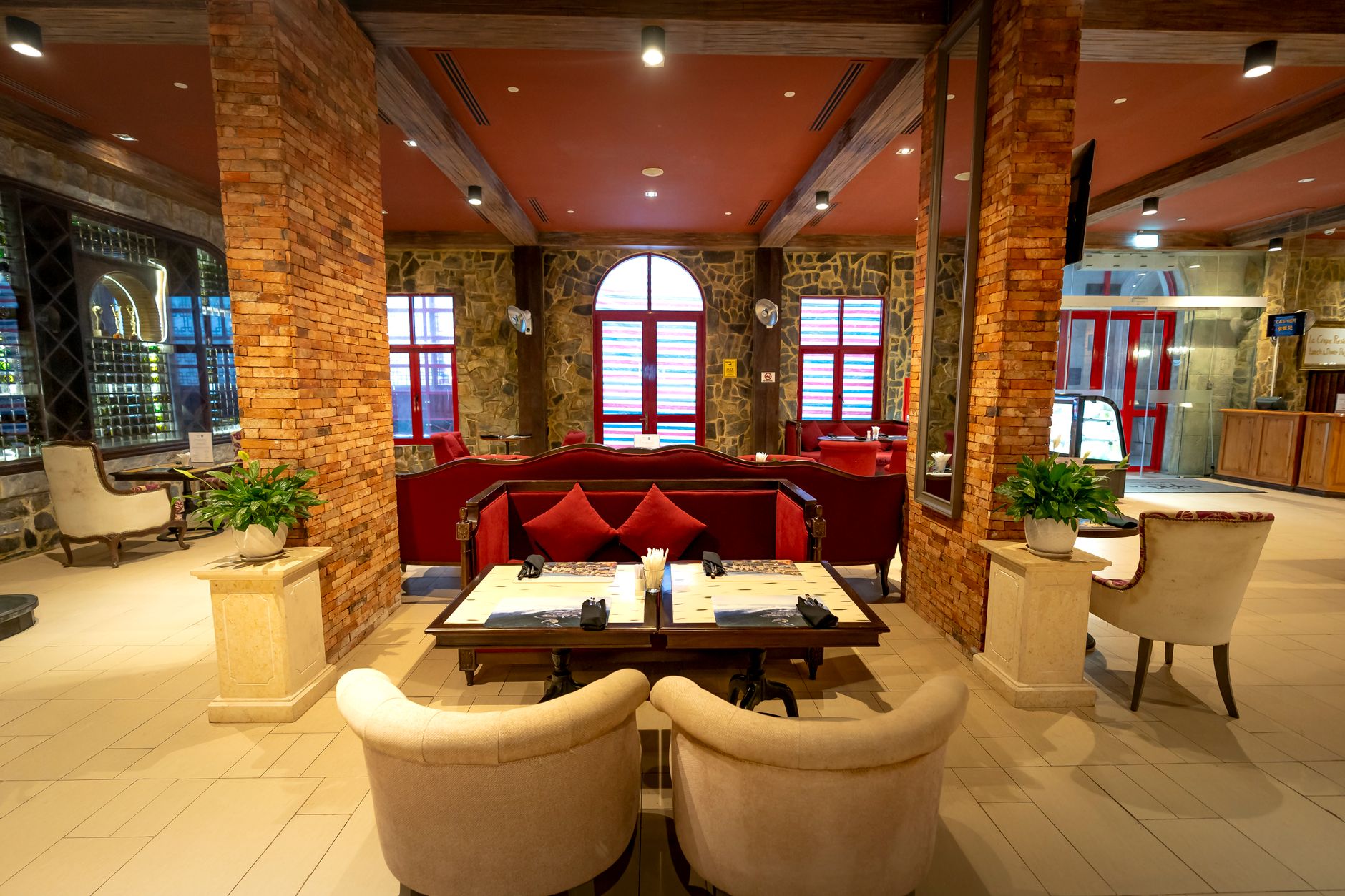
Akira Back Expands Global Culinary Footprint With Dual Restaurant Launch in Manila

Key points

  • Chef Akira Back is launching two distinct restaurant concepts inside the new Mandarin Oriental in Manila.
  • The dual-launch strategy allows the hotel to maximize operational efficiencies while offering multi-tiered dining options.
  • Manila continues to attract international culinary brands, highlighting its growth as a Southeast Asian dining destination.
  • Licensing partnerships with celebrity chefs offer luxury hotels lower operational risks and immediate brand recognition.

The luxury hospitality sector in Manila is preparing for a major culinary arrival as internationally acclaimed chef Akira Back aligns with the Mandarin Oriental to open two distinct dining venues. The dual launch marks a significant vote of confidence in the capital city of the Philippines as a rising destination for global gastronomy. Industry observers report that high-end hotel developments across Southeast Asia are increasingly relying on celebrity chef partnerships to differentiate their offerings and capture premium market share.

Reporting from Lifestyle Asia Bangkok highlights that Back will introduce a pair of signature concepts to the property, catering to both high-end experiential diners and casual luxury guests. The move reflects a broader trend among luxury hotel operators who seek to build multi-tiered food and beverage portfolios within a single flagship location. By curating varied dining environments under a single recognizable name, properties can maximize internal guest spend while simultaneously drawing local affluent clientele.

The decision to deploy two concepts concurrently represents a calculated operational strategy that optimizes kitchen supply chains and labor allocation. Operating multiple outlets within the same physical property allows management to share core back-of-house infrastructure, including cold storage, prep areas, and specialized inventory sourcing. This approach significantly reduces overhead costs while allowing each venue to maintain its own distinct menu identity and atmosphere.

For a metropolis like Manila, where the demand for modern Asian and fusion cuisine has grown rapidly over the past decade, attracting a global brand like Akira Back provides an immediate commercial advantage. The venue formats are designed to balance high-volume turnover in modern communal spaces with higher-margin private dining experiences. The dual-concept blueprint effectively mitigates revenue risks, ensuring steady traffic during off-peak hours while capturing premium spend during weekends and corporate events.

Manila has quietly evolved into one of the most dynamic restaurant markets in the region, driven by a growing middle class, strong domestic tourism, and increased foreign investment. Commercial real estate developers in the capital are increasingly prioritizing premium food and beverage tenants as primary anchors for new mixed-use developments and luxury hotel towers. The partnership between Mandarin Oriental and Akira Back underscores how critical high-profile dining is to modern hotel valuation.

According to market analyses of regional hospitality trends, luxury hotels are pivoting away from traditional, hotel-operated fine dining rooms in favor of licensed brand partnerships. Licensing agreements reduce operational exposure for the property owner while giving the venue instant international marketing reach. For international chefs, partnering with premier hotel brands offers access to prime urban real estate, sophisticated supply chain logistics, and an established base of high-net-worth travelers.

FINANCIAL IMPLICATIONS FOR CELEBRITY BRANDS

The economic model behind international chef expansions relies heavily on scalable concepts that retain high perceived value across different geographical markets. Akira Back has successfully established a global network of restaurants by pairing standardized core menus with localized seasonal ingredients. This hybrid operational structure protects brand integrity while ensuring that each location addresses local consumer tastes and ingredient availability.

Financially, dual launches in high-growth urban centers allow parent companies to amortize licensing fees, marketing campaigns, and staff training programs across multiple revenue streams. The capital expenditures required to open two spaces within a new hotel build are often partially subsidized by property developers seeking top-tier culinary talent. These incentives make international hotel partnerships one of the most lucrative expansion vectors for modern restaurant groups.

As international brands enter the Manila market, competition among existing high-end restaurants is expected to intensify. Local independent restaurant groups are being forced to elevate their service standards, menu creativity, and interior design to retain market share. However, industry experts argue that the arrival of global culinary figures ultimately expands the total addressable market by elevating the city overall culinary reputation on the international stage.

The introduction of these concepts also creates a ripple effect throughout the local agricultural and seafood supply chains. High-end venues require consistent, top-grade produce, specialized cuts of meat, and sustainably harvested seafood, driving local suppliers to upgrade their cold chain logistics and sourcing standards. Over time, these structural improvements benefit the wider food service ecosystem across the city, raising operational capabilities for smaller market operators.

For consumers and culinary travelers, the opening of two new Akira Back venues in Manila offers easier access to world-class dining without the need for international travel. Diners can expect sophisticated modern menus, polished service protocols, and contemporary architectural design that match international standards. The dual-concept approach provides versatility, allowing guests to choose between a relaxed, accessible atmosphere or a formal, curated tasting experience.

From an industry perspective, the move signals continued strength in Southeast Asian hospitality real estate and highlights the growing importance of Manila as a regional food capital. Restaurant operators should take note of how global brands leverage hotel partnerships to reduce capital risks and achieve operational efficiency through shared infrastructure. As competition for luxury consumer spending increases, integrated multi-concept developments will likely become the standard template for major hotel launches across the region.

Sources and methodology

Reported from the public datasets below.

All sources Foodie Pundit reports from

More from the Foodie Pundit Newsroom

Permalink