Aldo Zilli Swaps London Empire for Manchester Food Truck Venture
Celebrity chef Aldo Zilli is shifting his culinary focus from London to Manchester with a new mobile food truck business.
By Foodie Pundit Newsroom - Published - Updated - Section: Chef Moves
Key points
- Aldo Zilli is relocating his primary culinary focus from London to Greater Manchester.
- The venture will debut via a mobile food truck rather than a traditional brick-and-mortar restaurant.
- Lower capital costs and high regional growth make Manchester an attractive alternative to London.
- Mobile concepts allow veteran chefs to test new markets while mitigating commercial real estate risks.
Celebrity chef Aldo Zilli has officially confirmed his departure from London, pivoting his culinary focus toward the rapidly expanding food scene of Manchester. The Italian-born restaurateur, who spent decades building a prominent empire in the capital, represents the latest high-profile culinary figure to shift resources northward. Industry analysts view this relocation as a clear signal of changing economic realities within the United Kingdom hospitality sector. High real estate costs and saturated dining markets in London are prompting experienced operators to seek growth elsewhere.
Zilli made his name through high-profile London establishments that attracted media figures, celebrities, and fine dining enthusiasts for over thirty years. However, the operational model that sustained those brick-and-mortar locations has faced increasing margin pressure in recent years. Soaring commercial rents, rising utility overhead, and shifting consumer spending habits have changed the math for traditional dining rooms. Manchester Evening News first reported the chef's decision to shift operations away from London toward the North West.
The decision to choose Manchester as his primary new base reflects a broader commercial realignment across the British food industry. Over the past decade, Greater Manchester has transformed into one of the most vibrant dining regions in the country, attracting significant commercial investment. Lower initial capital requirements and a highly enthusiastic local customer base make the region an attractive market for tested concepts. Zilli's move underscores how regional hubs are successfully competing with the capital for top-tier culinary talent.
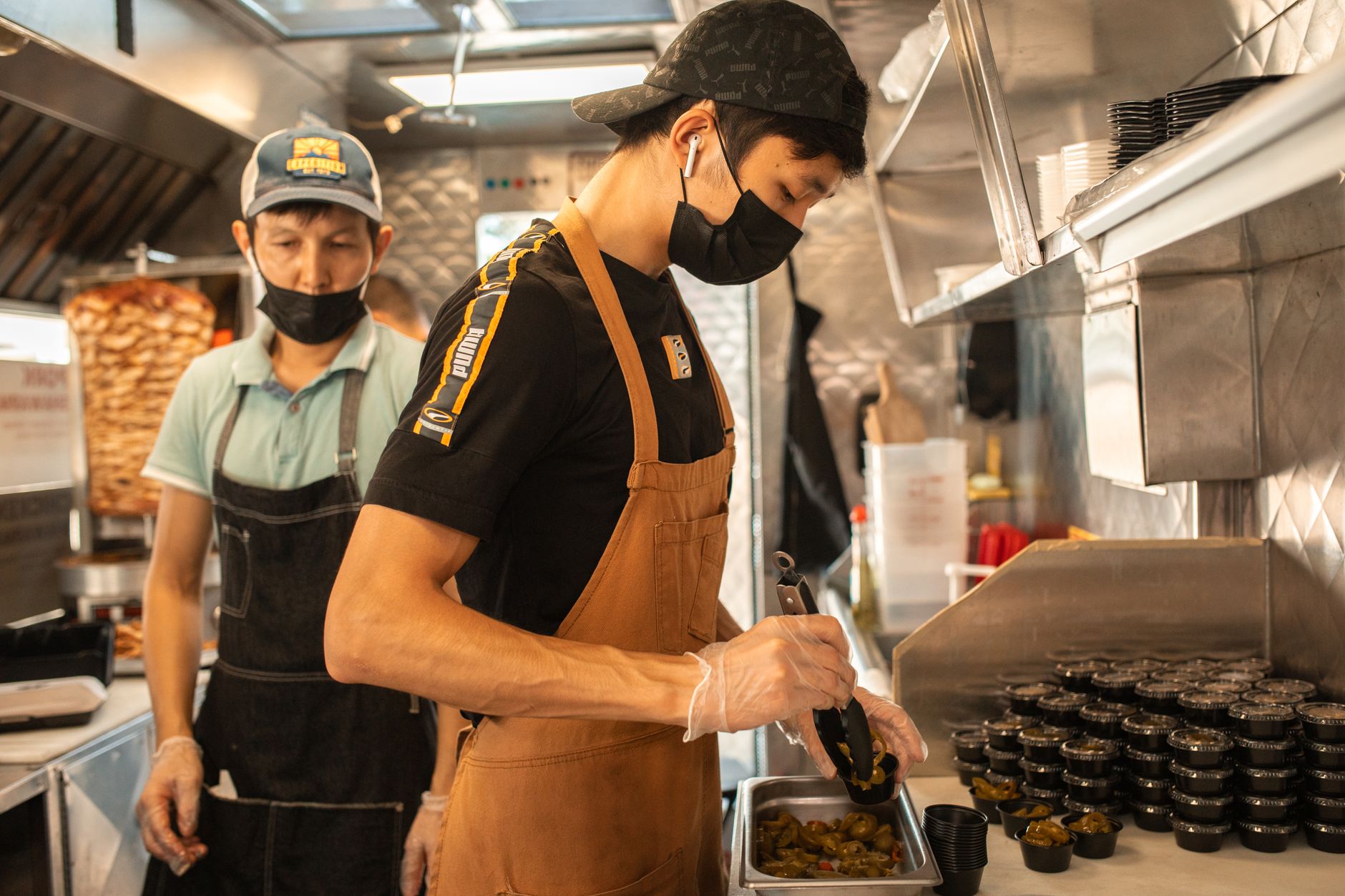
Rather than immediately opening a static fine-dining venue, Zilli is introducing his brand to Manchester via a custom food truck. This mobile vehicle approach allows the chef to test signature recipes and establish direct customer touchpoints without incurring the massive overhead associated with a permanent lease. Food trucks have evolved from simple event concessions into sophisticated business incubators for seasoned chefs. By taking to the streets, operators can maintain agility while building brand equity in new neighborhood clusters.
The mobile strategy reflects a sharp risk-management approach that is gaining traction across the wider restaurant industry. Launching a street food concept requires a fraction of the capital expenditure needed for a full-scale dining room buildout. Equipment costs, staffing rosters, and ongoing operational liabilities are drastically reduced. For a high-profile operator entering a new geography, a mobile unit functions as a real-time market research platform that generates immediate cash flow.
Initial plans for the truck involve bringing high-quality, accessible Italian street food directly to high-footfall areas and local commercial districts. Traditional recipes will be adapted for efficient, rapid service suitable for outdoor dining and lunch rushes. By lowering the entry price point compared to formal restaurants, the mobile concept allows the brand to reach a broader demographic. This focus on accessibility reflects a wider consumer shift toward flexible, high-quality casual dining options.
ECONOMIC DRIVERS BEHIND REGIONAL RELOCATION
The economic pressures driving operators out of central London have reached critical levels over the last two years. Business rates, property taxes, and leasing terms in prime London postcodes have escalated rapidly, eroding profitability even for well-established venues. At the same time, regional cities like Manchester have developed robust corporate infrastructure and growing residential populations. This demographic shift provides a steady base of corporate diners, evening guests, and weekend visitors.
Labor dynamics also play a central role in driving regional expansion across the food sector. Hiring and retaining skilled kitchen staff in London has become increasingly difficult due to high local living costs for service workers. In contrast, regional hubs often offer a better balance between wages and living expenses, making labor recruitment more manageable. Moving operational focus to the North West allows hospitality brands to build stable operational teams with reduced turnover.
The rise of regional food halls, market spaces, and mobile street food zones has further lowered the barrier to entry for regional expansion. Local authorities in Greater Manchester have actively supported mobile food initiatives and flexible trading licenses to revitalize urban spaces. These commercial policies create a fertile environment for food truck operators to trade profitably. As a result, mobile food venues have become integral components of the regional dining economy.
For local diners and food enthusiasts, this strategic shift brings elite culinary talent directly into neighborhood public spaces. Instead of paying premium fine-dining prices at a seated capital establishment, consumers can access dishes crafted by an established chef at street-food price points. The launch of mobile concepts by industry veterans elevates the overall quality of local fast-casual dining, raising the bar for street food options across the region.
From an industry perspective, Zilli's pivot provides a clear blueprint for how legacy chefs can adapt to modern market challenges. The tradition of relying solely on multi-story, high-rent dining rooms is giving way to flexible, low-overhead business models. Consumers in regional markets can expect to see more recognized names testing new concepts via mobile units, pop-up venues, and commercial dark kitchens. This ongoing decentralization of the dining scene enriches regional economies while offering diners better quality and value outside the nation's capital.
Sources and methodology
Reported from the public datasets below.
More from the Foodie Pundit Newsroom
- The Team Behind Boucherie and Bourrée to Debut Outdoor Dining Concept, The Gardens at Bourrée, in Carrollton
- The Grapefruit Warning You Can Probably Ignore
- Whole Foods Names New Regional Vice President To Oversee Northeast Operations
- Maria's Oyster & Wine Bar, from Chef Farrell Harrison, Targets New Orleans Warehouse District
- Florida Dining Expansion Signals 21 New Restaurants and Food Trucks Statewide