All-Day Hospitality Models Take Center Stage in Downtown Raleigh Commercial Boom
Multi-concept hospitality venues in downtown Raleigh are redefining urban dining economics by maximizing foot traffic and revenue per square foot across extende
By Foodie Pundit Newsroom - Published - Section: Restaurants
Key points
- Hybrid venue models allow downtown Raleigh operators to offset rising commercial rent costs by maximizing daypart revenue from early morning coffee to late night drinks.
- Flexible operational layouts and cross-trained staff improve labor and spatial efficiency across extended operating hours.
- Shift in remote work patterns has driven strong consumer demand for versatile third-place dining and social environments in growing urban centers.
DOWNTOWN RALEIGH REAL ESTATE TRANSFORMATIONS
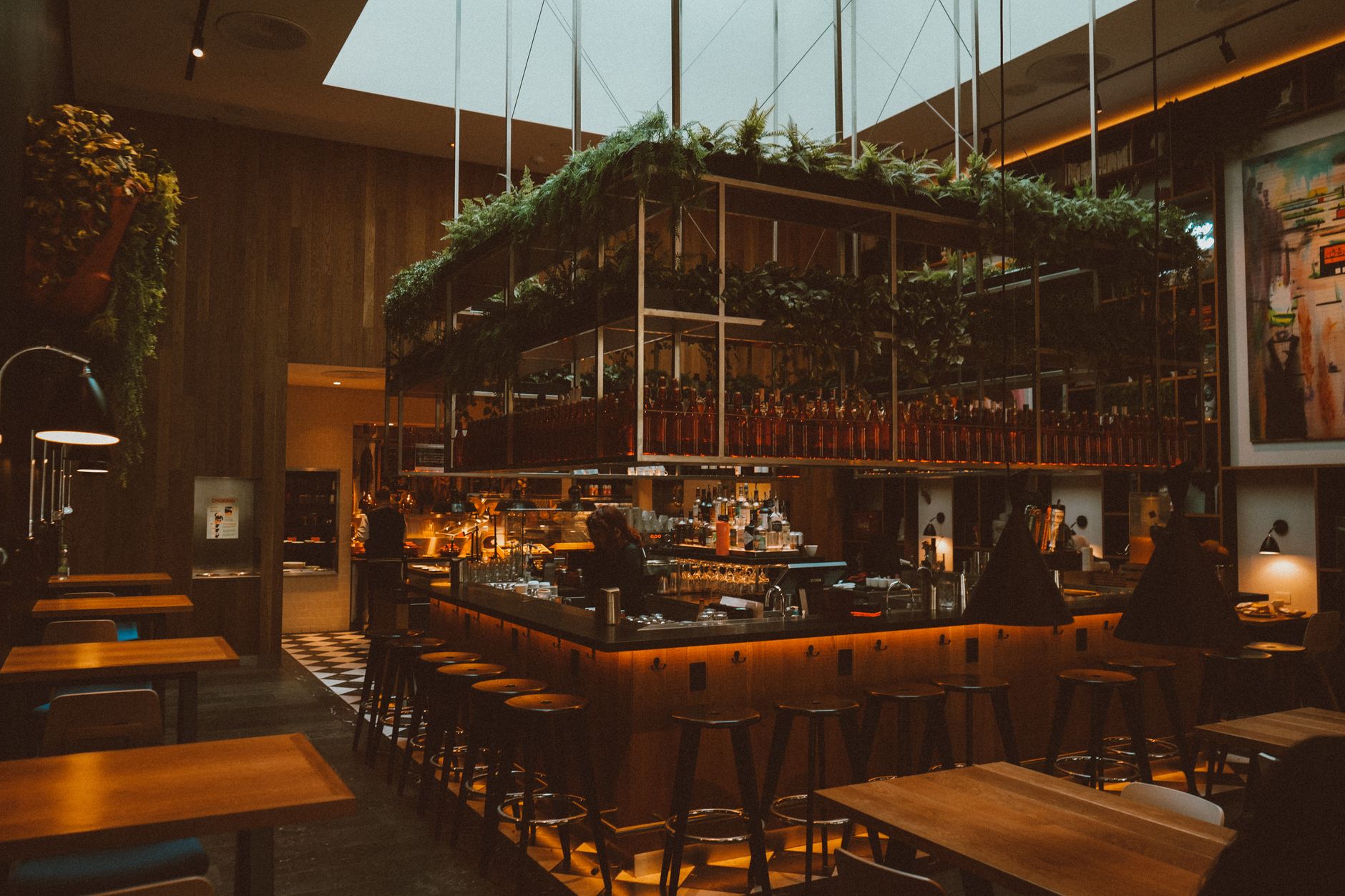
The evolution of downtown Raleigh has reached a pivotal moment as hospitality operators rethink the traditional footprint of urban dining venues. ABC11 Raleigh-Durham recently reported on the arrival of a major multi-concept establishment designed to serve patrons from early morning until late at night. By combining high-end coffee service, elevated pub food, and bespoke craft cocktails under a single roof, developers are seeking to capture maximum foot traffic while hedging against fluctuating commercial rent costs.
Urban real estate in the Triangle region has experienced sustained price appreciation over the past decade, forcing independent operators to maximize revenue per square foot. Traditional business models that rely solely on dinner service or afternoon lunch rushes often struggle to justify high urban lease rates. By contrast, hybrid venues that transition seamlessly from a morning cafe to a daytime workspace and finally to a bustling evening lounge present a far more resilient financial model for modern food service entrepreneurs.
This shift toward flexible, daypart-spanning hospitality models reflects a broader trend across mid-sized American cities experiencing rapid population growth. Raleigh has consistently ranked among the top metropolitan areas for inbound corporate migration, bringing in tech workers, remote professionals, and young families accustomed to flexible dining environments. Venues that cater to diverse daily needs are rapidly displacing single-purpose retail spaces throughout the city core.
Executing an all-day dining concept introduces complex operational dynamics that require precise management of staffing, inventory, and cross-utilization of space. Operators must design floor plans that feel cozy during low-volume morning hours yet open enough to handle packed evening crowds. Kitchen equipment must be versatile enough to transition from baking breakfast pastries and pulling espresso shots to preparing heavy dinner items and bar snacks without creating bottlenecks.
Labor allocation represents another critical variable in the financial success of these multi-format spaces. Cross-training staff to handle both front-of-house barista duties during early shifts and service roles during late afternoon hours allows management to maintain leaner payrolls. According to regional hospitality analysts, optimizing shift schedules across extended operating hours can boost overall labor efficiency by up to fifteen percent compared to standard full-service restaurants.
Beverage programs are similarly engineered to maximize profit margins throughout the entire business day. Espresso and specialty coffee drinks offer high margins that help offset the initial labor overhead of early opening times. As the day progresses, craft cocktails, local draft beers, and curated wine lists take over, driving up the average check size per guest during peak dinner and evening social hours.
The rise of hybrid dining spaces in downtown Raleigh aligns closely with municipal efforts to create walkable, vibrant central business districts. City planners have prioritized mixed-use developments that encourage pedestrian activity beyond traditional corporate working hours. By creating welcoming gathering spaces that operate fourteen to sixteen hours a day, these hospitality concepts act as neighborhood anchors that support surrounding retail and residential properties.
Consumer demand for informal, third-place environments has accelerated following changes in work patterns over recent years. With many professionals continuing to work remotely or on hybrid schedules, the demand for public spaces that offer fast internet, quality coffee, and substantial food options has reached an all-time high. Patrons are increasingly seeking spots where they can conduct morning meetings, work independently through the afternoon, and unwind with colleagues after hours without changing locations.
Local food and beverage operators in North Carolina are taking note of these behavioral shifts, investing heavily in flexible interior design and technology integration. ABC11 Raleigh-Durham noted that the newest additions to the local dining landscape are heavily focused on creating distinct atmospheres for different times of day, utilizing lighting adjustments, acoustic paneling, and modular seating arrangements to transform the ambient mood seamlessly.
NAVIGATING SUPPLY CHAIN AND OVERHEAD COSTS
Despite the clear financial upside of all-day operations, owners face ongoing pressure from fluctuating wholesale food costs and persistent supply chain uncertainties. Sourcing quality ingredients for a menu that spans from morning pastries to late-night pub cuisine requires managing complex vendor relationships and maintaining strict waste-reduction protocols. Venues must maintain precise inventory tracking to prevent perishable food items from spoiling across different service windows.
Energy utility costs also present a notable hurdle for facilities operating continuously from sunrise to midnight. Commercial refrigeration, continuous espresso machine heating, high-capacity dishwashers, and specialized kitchen exhaust hoods require substantial power inputs. Hospitality groups are increasingly investing in energy-efficient equipment and smart HVAC systems to keep utility overhead manageable over long operational days.
Competition within the Triangle hospitality market remains fierce as out-of-state restaurant groups and established local operators vie for prime commercial footprint. Venues that successfully establish brand loyalty through consistent quality, strong community engagement, and versatile menu offerings are best positioned to capture long-term market share. As downtown Raleigh continues its high-density expansion, multi-concept spaces will likely remain the standard blueprint for new urban dining ventures.
For local consumers, the expansion of multi-concept venues in downtown Raleigh provides greater flexibility, higher convenience, and high-quality food options regardless of the hour. You can expect more downtown spots where you can comfortably sit with a laptop over espresso in the morning, meet friends for a casual lunch, and return later for dinner and high-end drinks without feeling out of place.
For small business owners and prospective investors, the success of these daypart-spanning models demonstrates the importance of spatial efficiency and revenue diversification in high-cost urban markets. Broadening operational hours and offering flexible physical spaces can help protect your bottom line against rising commercial rents, shifts in remote work habits, and changing consumer habits in growing metropolitan areas.
Sources and methodology
Reported from the public datasets below.
More from the Foodie Pundit Newsroom
- Gotham Culinary History Lost as City Oldest Diner Faces Eviction After 94 Years
- Chick-fil-A Prepares Nationwide Menu Expansion Amid Heightened Fast Food Competition
- Plant Based Pastries Surge Into Mainstream Commercial Bakeries
- Historic New York City Diner Facing Eviction After Nearly a Century of Service
- Downtown Raleigh Welcomes All-Day Social Destination as Multi-Concept Dining Gains Traction