Downtown Raleigh Welcomes All-Day Social Destination as Multi-Concept Dining Gains Traction
A flexible new all-day hospitality destination in downtown Raleigh highlights how multi-concept venues are maximizing foot traffic and profitability in urban co
By Foodie Pundit Newsroom - Published - Section: Restaurants
Key points
- Hybrid dining concepts offering morning coffee and evening cocktails maximize venue revenue yield per square foot.
- Downtown Raleigh real estate demands high-density operational models to counter rising commercial rent costs.
- All-day gathering spaces stabilize local foot traffic, creating positive economic spillovers for adjacent downtown businesses.
DOWNTOWN RALEIGH REAL ESTATE REVITALIZATION
The urban core of Raleigh, North Carolina, is experiencing a post-pandemic commercial shift as property developers and hospitality groups work to repurpose central business district real estate. Downtown foot traffic pattern changes have prompted operator adjustments toward flexible, all-day dining models. Rather than relying entirely on corporate lunch crowds or weekend nightlife, operators are building venues designed to generate revenue across multiple distinct dayparts.
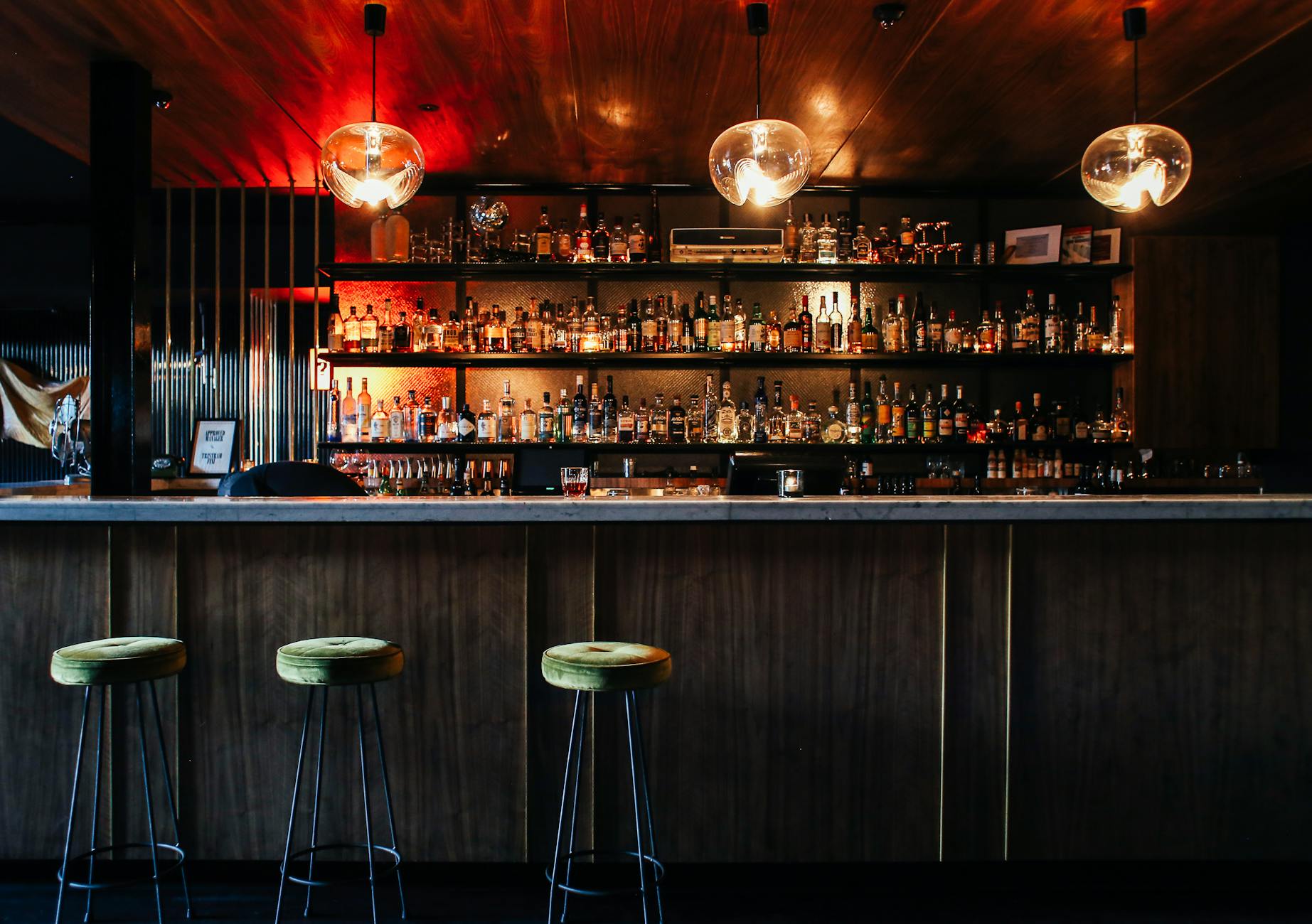
A prominent new multi-concept hospitality venue in downtown Raleigh exemplifies this operational pivot, offering early morning coffee services alongside evening craft cocktails and upscale pub cuisine. This multi-tiered strategy maximizes labor efficiency and leases productivity, addressing the ongoing pressures of rising commercial rents and labor costs in the Triangle region. Local market coverage from ABC11 Raleigh-Durham highlights how these modern gathering spaces are filling long-standing structural gaps in the city's commercial core.
operational dynamics are shifting rapidly across mid-sized Southeastern cities experiencing population inflows. Downtown Raleigh has seen an influx of tech sector workers and remote employees who require neighborhood destinations catering to untethered work schedules. By combining specialty coffee bar capabilities with evening food and beverage service, hospitality groups can capture consumer spending throughout a sixteen-hour operational window without shifting physical footprints.
In the traditional restaurant landscape, single-concept venues often sit idle for vast stretches of the day. A dedicated cocktail lounge incurs substantial fixed overhead costs during morning hours while remaining closed to the public. Conversely, a specialty coffee shop frequently sees its revenue steepen sharply after midday, rendering afternoon overhead difficult to justify without expanding product mix.
By integrating breakfast, afternoon workspace amenities, dinner service, and late-night beverage programs under one roof, operators stabilize their daily cash flows. Cross-utilization of kitchen equipment and multi-skilled front-of-house staff allows management to optimize labor margins, which remain among the highest expenses for independent hospitality operators. This hybrid structure protects profit margins against seasonal or daypart fluctuations that typically penalize narrow culinary concepts.
Furthermore, downtown real estate valuations in Raleigh require high revenue yield per square foot. Commercial landlords increasingly favor hospitality tenants with flexible revenue models, as they demonstrate higher long-term financial resilience and lower risk of lease default. Combining daytime coffee culture with elevated night food service represents a key financial hedge for modern hospitality leases in growing metropolitan submarkets.
SHIFTING CONSUMER DEMOGRAPHICS AND SPENDING
The demographic landscape of the Raleigh-Durham metropolitan area has shifted dramatically over the past five years. High-income professionals relocating to North Carolina bring changing expectations regarding social infrastructure, requesting walkable venues that blend work and leisure environments. The demand for flexible gathering spots has altered how local commercial zones are zoned and developed.
Consumer spending metrics in downtown Raleigh reflect a distinct preference for experiential social hubs over standard corporate dining chains. Customers prioritize high-quality pub fare paired with regional craft beverages, alongside artisanal coffee programs during daytime hours. This consumer preference incentivizes operators to invest heavily in atmospheric design, comfortable seating layouts, and reliable wireless infrastructure that support extended visits.
Local economic reporting by ABC11 Raleigh-Durham underscores how new downtown venues act as economic anchors, driving adjacent foot traffic to retail and service businesses. When a social space succeeds in attracting steady foot traffic from morning until late evening, neighboring merchants benefit from enhanced street vitality and increased secondary consumer activity. This ecosystem effect strengthens the overall value proposition of central business district real estate.
Executing a successful all-day hospitality concept involves significant operational complexity that single-daypart operators rarely encounter. Management must navigate distinct health department classifications, handle complex supply chain management for disparate product categories, and retain cross-trained staff capable of executing precise coffee extraction as well as high-volume cocktail mixology.
Inventory management requires meticulous oversight to maintain fresh food ingredients alongside high-end bar inventory and perishable dairy or coffee stocks. Waste mitigation becomes paramount when operating across extended service hours, as miscalculated prep quantities can quickly erode profit margins. Additionally, physical spaces must be designed with adaptable lighting, sound, and seating arrangements to smoothly transition from an energetic morning cafe atmosphere to an intimate evening dining environment.
Despite these operational hurdles, hospitality groups in North Carolina are increasingly committing capital to integrated concepts due to their superior revenue potential. As Raleigh continues its transition into a major regional economic hub, flexible social venues will likely set the baseline standard for downtown retail activation, providing a scalable model for urban revitalizations across similar mid-sized US markets.
For everyday consumers and local residents, the rise of hybrid all-day hospitality venues offers unprecedented convenience and flexibility within the urban core. You gain access to versatile spaces where you can work remotely over morning coffee, meet colleagues for afternoon meetings, and seamlessly transition into social dinners or evening drinks without switching locations. This integrated approach reduces the need for multiple trips across town, enhancing the walkability and overall livability of downtown neighborhoods.
For local job seekers and industry workers, these expanded operational models create diverse employment opportunities featuring varied shift options and skill development paths across both coffee and culinary sectors. As a customer, you can expect higher quality consistency and improved hospitality standards as venues compete to become your primary daily destination. Ultimately, supporting multi-use social spaces helps cultivate a safer, more vibrant downtown environment that directly increases regional economic stability.
Sources and methodology
Reported from the public datasets below.
More from the Foodie Pundit Newsroom
- NYC's Oldest Diner Faces Eviction After 94 Years of Continuous Service
- The Girl Dinner Trend Evolves Into a Lasting Shift for Retailers and Restaurants
- Supermarket Wage Updates Highlight Ongoing Economic Tension Between Retail Pay and Food Inflation
- Kroger Raises Hourly Store Wages as Frontline Workers Face Persistent Living Costs
- Kroger Raises Employee Pay Rates as Living Costs Pressure Frontline Grocery Workers