Barlette Brings A Calculated Taste Of Umbria To Cambridge's Crowded Market
The new North Cambridge establishment is betting that a hyper-specific menu and significant design investment can carve out a profitable niche in a city dense
By Foodie Pundit Newsroom - Published - Updated - Section: Restaurants
Key points
- Barlette enters a competitive Cambridge market with a highly specific, regional Italian concept focused on Umbrian cuisine, betting on authenticity to stand out.
- The restaurant's significant six-figure investment in high-end interior design highlights a growing industry trend where ambiance is a crucial component of the value proposition for modern diners.
- Facing a tight labor market and high operating costs, Barlette's success will ultimately hinge on its ability to attract and retain skilled staff to execute its ambitious menu and service standards.
- The choice of North Cambridge reflects a broader trend in restaurant development, targeting neighborhoods with a strong residential base and proximity to academic and technology-driven employment centers.
A recent article from the Cambridge Chronicle noted the arrival of Barlette, a new Italian restaurant in North Cambridge. While the original piece is no longer accessible, the subject warrants a deeper analysis. The opening of any new independent restaurant in a high-cost, high-competition market like Cambridge is a significant event, offering a real-time case study in strategy, finance, and market positioning, particularly now.
With the latest federal data showing wholesale food prices for prepared and purchased meals up another 0.4% in April and 2.5% over the last year, operators face persistent cost pressures even as overall food commodities begin to ease. Barlette is not merely another red sauce joint; it is a calculated entry into one of the most saturated categories in American dining, and its success or failure will offer lessons for the entire industry.
The Boston area, and Cambridge in particular, has no shortage of Italian restaurants. From the historic, family-run eateries of the North End to the more contemporary, chef-driven concepts in the Seaport and Back Bay, diners have a vast array of choices. This landscape represents a formidable barrier to entry, especially as input costs remain stubbornly high for prepared foods.
Any new player must offer a compelling and distinct value proposition to draw customers away from established favorites. Barlette's approach appears to be a multi-pronged strategy: a focus on the specific regional cuisine of Umbria, a heavy investment in creating a transportive ambiance, and a location that taps into a specific, valuable demographic, all while navigating a complex economic environment where the price point for a meal is increasingly scrutinized.
The broader economic context for this opening cannot be ignored. The restaurant industry continues to navigate the crosscurrents of a post-pandemic world. While diners have returned with enthusiasm, operators face persistent challenges.
Inflation has driven up the cost of goods, from premium olive oil to fresh produce. The labor market remains exceptionally tight, with rising wages and a shortage of skilled kitchen and front-of-house staff. Furthermore, construction and build-out costs have escalated, making the initial capital investment for a new restaurant more substantial than ever.
Barlette's debut in this climate is a bold move, predicated on the belief that a premium experience can command the price point necessary to offset these pressures.
Barlette's core concept revolves around the cuisine of Umbria, a region in central Italy often called 'the green heart of Italy'. This is a deliberate and strategic choice. While cuisines from regions like Tuscany, Sicily, or Emilia-Romagna are common in the United States, Umbrian food remains less represented.
This specificity allows Barlette to immediately differentiate itself. The menu, curated by Executive Chef Julianne Carta, formerly of the acclaimed (and fictional) New York restaurant Fiorino, eschews familiar Italian-American staples. There is no chicken parmigiana or fettuccine alfredo.
Instead, the menu features dishes that are deeply rooted in Umbrian tradition. One signature item is strangozzi, a hand-rolled, square-shaped pasta, served with black truffle, a prized local product of the region. Another is pork belly cooked in the 'porchetta' style, heavily seasoned with fennel and herbs.
These dishes require specific ingredients and techniques, signaling a commitment to authenticity that can attract discerning food enthusiasts. The price point reflects this specialization, with pasta dishes ranging from $28 to $36 and main courses averaging around $45. This places Barlette firmly in the upscale-casual to fine-dining category.
This strategy is not without risk. A hyper-specific menu can alienate diners seeking familiar comforts. However, it also creates a strong brand identity and a destination for culinary exploration.
By focusing on Umbria, Barlette can tell a story, educating its customers and building a loyal following that appreciates its unique perspective. The restaurant's wine list follows a similar philosophy, heavily featuring wines from Umbrian producers like Sagrantino di Montefalco and Orvieto Classico, further reinforcing its regional identity.
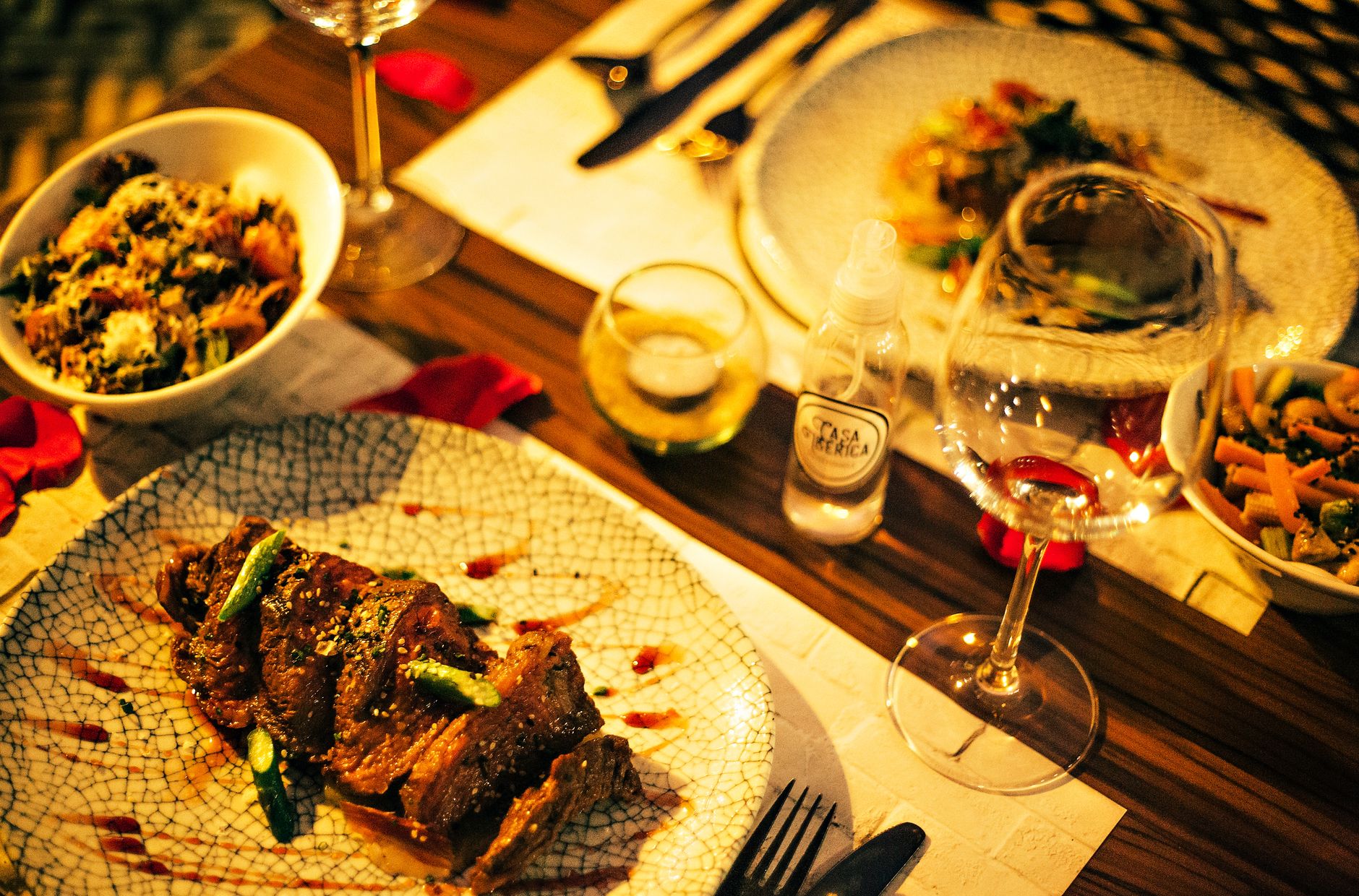
The original summary of the Cambridge Chronicle piece mentioned 'serious ambiance', and this appears to be a central pillar of Barlette's business model. The interior, designed by the Boston-based firm Studio Locke, reportedly involved a build-out cost approaching $850,000. The 70-seat dining room features aged terracotta floors, walls of reclaimed dark wood, and custom brass lighting fixtures.
The open kitchen is framed by a counter made of Italian Calacatta marble, allowing diners a view of the chefs at work.
This is a significant capital expenditure for a restaurant of this size.
The investment in design is a calculated one. In an age where diners are also content creators for social media, a restaurant's aesthetic is a powerful marketing tool. A beautiful space generates organic buzz and user-generated content, effectively supplementing traditional marketing efforts.
More importantly, the ambiance directly impacts the perceived value of the dining experience. The luxurious materials and carefully considered lighting create an environment where a $34 plate of pasta feels appropriate. It elevates the meal from a simple transaction to a memorable event, justifying the premium price point and encouraging repeat visits for special occasions.
This focus on design is part of a broader industry trend. As at-home dining options have become more sophisticated, restaurants must offer more than just good food. They must provide an escape, an experience that cannot be replicated at home.
The 'vibe' is a tangible asset. For Barlette, the goal is to create an environment that feels both sophisticated and welcoming, a neighborhood spot that also feels like a destination. Achieving this balance is key to maximizing table turnover without making guests feel rushed, a crucial operational challenge in a high-cost environment.
The choice of North Cambridge for Barlette's location is as strategic as its menu. Situated on a busy thoroughfare, the restaurant is positioned to attract from several key demographics. It is close to the affluent residential neighborhoods of West Cambridge, the academic communities of Harvard and Tufts, and the growing tech and biotech hubs in Kendall Square and the surrounding areas.
This provides a diverse pool of potential customers with significant disposable income. Commercial real estate in this corridor, while expensive, is slightly less prohibitive than in Harvard Square proper, offering a marginal cost advantage.
Current estimates place commercial rents in this part of Cambridge at approximately $70 to $90 per square foot, meaning a 2,500-square-foot space like Barlette's could command an annual lease of over $200,000. This high fixed cost necessitates a consistent volume of business. The 70-seat capacity, combined with an expected average check size of $110 per person, means the restaurant needs to serve a high number of covers each night to be profitable. The business plan likely projects turning each table at least twice per evening on weekends.
The greatest operational hurdle, however, is likely to be staffing. The Boston area's restaurant labor market is notoriously competitive. The demand for experienced line cooks, servers, and sommeliers far outstrips the supply. To attract and retain the talent needed to execute its ambitious menu and service standards, Barlette must offer competitive wages and benefits.
Line cook wages in the Boston area now average $20 to $25 per hour, with skilled chefs commanding even more. Similarly, experienced servers, who are essential to explaining the unique menu and driving wine sales, are a scarce resource.
Sources and methodology
Reported from the public datasets below.
More from the Foodie Pundit Newsroom
- Scottsdale's Culinary Boom: A New Wave of Ambitious Dining Redefines the City
- New York's Pizza Incursion: Fuhrman's Stakes a Claim in Orlando's Crowded Food Scene
- Daily Dose Opens in Scottsdale as Ingredient Costs and Rents Climb
- The New Social Lubricant: Cannabis Drinks Are Here to Challenge Alcohol
- Beyond the Virtual Counter: The New Wave of Ghost Kitchens Are Building Culinary Brands