Bay Area Noodle Shop Expansion Highlights Shifting Suburban Restaurant Economics
A top Bay Area Vietnamese restaurant concept expands to the Peninsula, highlighting key shifts in suburban restaurant economics and consumer dining patterns.
By Foodie Pundit Newsroom - Published - Section: Restaurants
Key points
- Popular regional dining concepts are increasingly expanding into Peninsula suburbs to follow shifting customer populations.
- Pho restaurants leverage fast service and high turnover to maintain strong margins despite elevated ingredient and utility costs.
- Suburban commercial developments offer operators advantages in parking, takeout accessibility, and flexible lease terms.
- Multi-unit expansion requires strict quality control to preserve brand loyalty across new geographic locations.
The San Francisco Bay Area dining scene continues to demonstrate robust real estate activity despite broader macroeconomic headwinds across the food service industry. Independent operators specializing in high-demand regional cuisines are leading the charge into lucrative suburban corridors. A prime example of this commercial migration is the recently reported expansion of popular Bay Area Vietnamese noodle shop concepts into the Peninsula region. According to original reporting by SFGate, local operators are securing retail space outside the immediate urban core of San Francisco to tap into shifting suburban demographic patterns.
This geographical shift reflects broader commercial real estate dynamics across Northern California. As hybrid work arrangements remain a permanent fixture for major technology firms, daytime population centers have reorganized around Peninsula suburbs. Cities such as San Mateo, Redwood City, and Palo Alto have experienced sustained demand for casual, high-volume dining options. Noodle shops and specialty soup concepts possess unique unit economics that make them ideal anchor tenants for modern suburban strip malls and Downtown commercial districts.
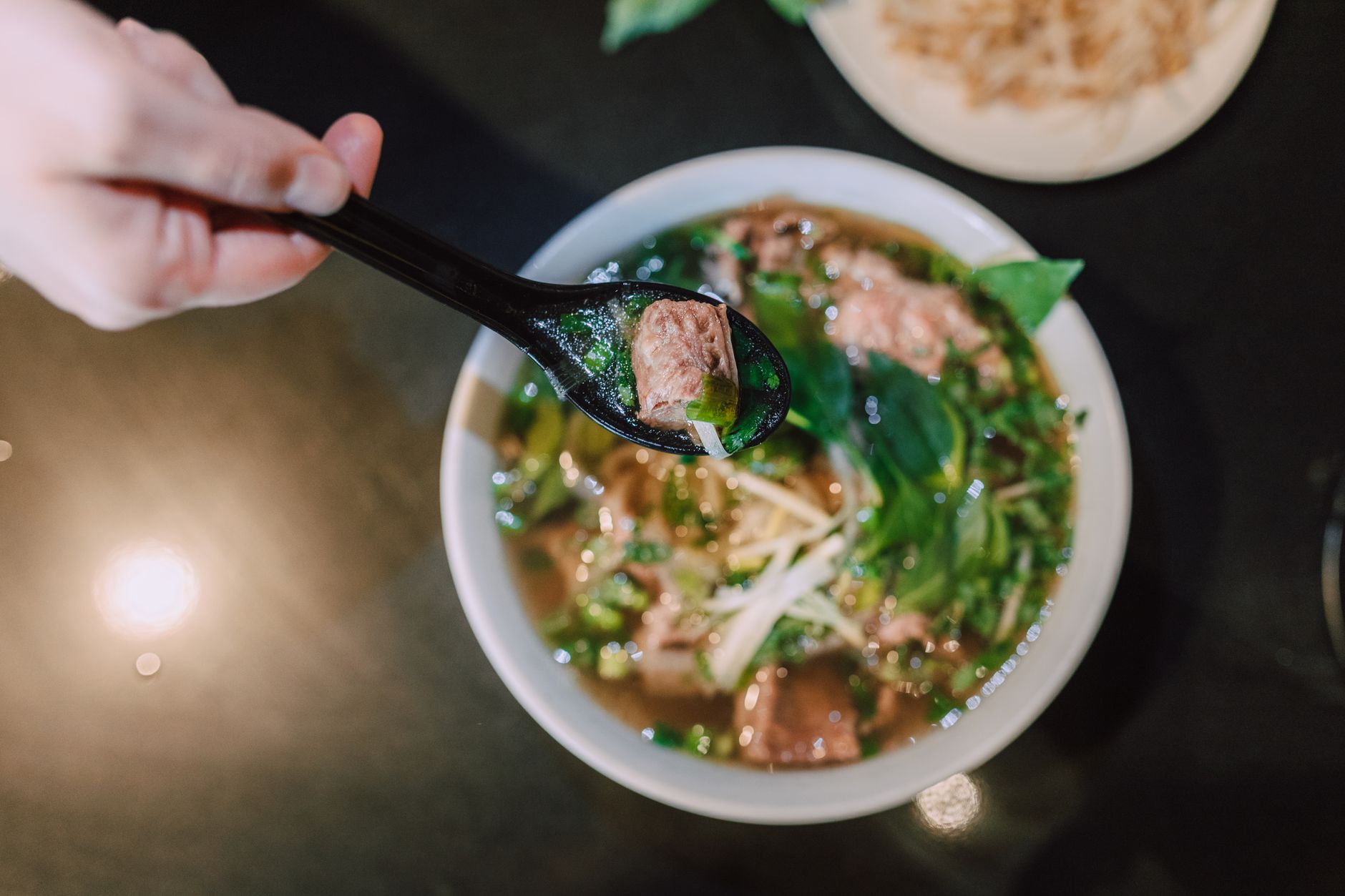
Pho restaurants occupy a distinct financial niche within the fast-casual and casual dining verticals. The production model relies heavily on long-simmering broths prepared in massive batches, allowing kitchens to maximize labor efficiency during off-peak hours. When service begins, assembly times per bowl are remarkably fast, resulting in exceptionally high table turnover rates during peak lunch and dinner windows. High inventory turnover paired with relatively modest ingredient costs for rice noodles and bone broths typically yields healthy gross margins.
However, the industry faces severe pressure from rising commodity costs for premium cuts of beef, such as brisket and flank steak. In addition, ambient energy costs required to run commercial burners for twelve to twenty-four hours straight have escalated rapidly in Northern California. To offset these operational expenses, successful operators must drive steady foot traffic and maintain high order volumes throughout the week. Expanding into densely populated suburban neighborhoods provides access to a stable, family-oriented customer base that supplements weekend dining spikes.
SUBURBAN COMMERCIAL REAL ESTATE ADVANTAGES
Securing commercial lease agreements in suburban Peninsula markets offers several structural advantages over central business district locations. Parking availability remains a critical variable for casual dining sales, particularly for takeout and delivery orders. Suburban strip centers and mixed-use developments provide dedicated parking spaces, significantly reducing friction for third-party delivery drivers and pickup customers. Delivery orders now account for a substantial percentage of total net revenue for traditional noodle establishments.
Furthermore, square footage costs in suburban downtowns can offer more predictable lease terms compared to high-density metropolitan spaces. Commercial landlords in Peninsula municipalities are actively recruiting proven local brands to act as foot traffic drivers for adjacent retail shops. A established regional restaurant brand bringing an existing customer base provides lower risk for property management firms seeking reliable long-term tenants. This commercial symbiotic relationship helps facilitate favorable tenant improvement allowances and lease concessions during initial buildouts.
CONSUMER DEMAND AND REGIONAL FLAVOR PREFERENCES
The Bay Area has long served as one of the nation's premier hubs for authentic Vietnamese culinary concepts. Diners across the region possess sophisticated palates and strong brand loyalty toward specific noodle broth recipes. As suburban residential populations become increasingly diverse, demand for specialized regional dishes has surged far beyond urban core neighborhoods. Suburban consumers increasingly expect access to authentic, high-quality regional fare without commuting into central San Francisco or San Jose.
This demand pattern has encouraged independent owners to duplicate proven operating models in new geographic zones. Rather than redesigning menus, expanding operators maintain core menu items while optimizing kitchen layouts for speed and delivery staging. By replicating successful operational workflows, brands can scale their footprint without diluting the core product quality that built their initial reputation. SFGate notes that local food lovers routinely track these commercial moves closely, highlighting the strong cultural currency that popular noodle spots hold within the local community.
OPERATIONAL CHALLENGES IN MULTI-UNIT EXPANSION
While expanding to the Peninsula offers clear growth opportunities, transition from a single-unit operator to a multi-unit enterprise presents substantial operational risks. Maintaining consistency across different kitchen teams requires rigorous standardization of recipes, broth preparation protocols, and vendor sourcing. A variation in broth clarity or seasoning between original and secondary locations can quickly erode customer trust and damage brand equity across digital review platforms.
Staffing remains another persistent obstacle within the food service ecosystem. The Peninsula labor market is highly competitive, forcing restaurant owners to offer competitive hourly wages and benefits to secure kitchen staff and service personnel. Commute patterns for service industry workers can also complicate hiring efforts, as high housing costs in Peninsula suburbs mean many staff members commute from outlying areas. Successful operators must factor elevated labor expenses directly into their financial projections before finalizing expansion lease agreements.
The arrival of established dining favorites on the Peninsula signals a broader stabilization of the regional food economy. Operators who weathered recent economic volatility are now leveraging their brand equity to secure prime physical retail space. Casual dining concepts that emphasize speed, value, and authentic flavor profiles are best positioned to navigate lingering inflation and changing consumer spending habits. As additional independent brands evaluate suburban footprints, the Peninsula commercial landscape will likely see continued investment from top-tier regional operators.
For local diners, the expansion of top-tier dining concepts into suburban corridors means greater access to high-quality regional cuisine closer to home. You will likely spend less time traveling to urban centers for favorite dishes, while benefit from better parking and faster service times. However, elevated operational costs for suburban operators mean you should expect menu prices to reflect higher local commercial rents and labor wages. Supporting regional independent expansions helps maintain vibrant, diverse dining options across your immediate community.
More from the Foodie Pundit Newsroom
- Bay Area Vietnamese Dining Favorite Expands Geographic Footprint to the Peninsula
- Bay Area Vietnamese Noodle Favorite Expands Footprint to Peninsula Retail Corridor
- Bay Area Vietnamese Favorite Expands To Peninsula Commercial Corridor
- Top Bay Area Vietnamese Noodle Spot Expands Footprint to the Peninsula
- Bay Area Pho Favorite Expands Footprint to Peninsula Market