Beyond The Butter Board: How Viral Visual Trends Are Reshaping Restaurant Economics
The intelligence behind viral food presentation turns its focus toward the next generation of shareable dining concepts.
By Foodie Pundit Newsroom - Published - Section: Social Virality
Key points
- Viral visual trends reverse traditional culinary trickle-down effects by moving from social feeds into commercial restaurant kitchens.
- High-margin, low-cost foundations like butter and whipped cheeses allow operators to maximize profitability on shareable starters.
- Labor costs and kitchen ticket times present the largest operational challenge when executing intricate visual presentations.
- The next wave of trends focuses on textured, interactive spreads utilizing labneh, ricotta, and vibrant seasonal produce.
VIRAL CREATIVITY AND RESTAURANT ECONOMICS
When a singular culinary concept captures the collective imagination of social media, the ripples extend far beyond mobile screens and into the commercial kitchen economy. The butter board phenomenon, which exploded across short-form video platforms and dominated gathering menus, served as a case study in modern food trend dissemination. What began as an artistic presentation of softened dairy garnished with herbs, edible flowers, and sea salt quickly mutated into a broader conversation about how communal dining experiences are packaged, marketed, and monetized in the digital age.
Reporting from TODAY highlighted how the creator behind the viral spread has evaluated the phenomenon and turned attention toward the next wave of presentation trends. Restaurants and catering operations were quick to observe that these visual concepts alter consumer behavior and purchasing patterns. When a dish achieves critical mass online, ingredient suppliers and commercial distributors feel the impact almost immediately. Understanding the trajectory of these viral moments provides operators with a blueprint for capturing public interest while maintaining manageable food costs.
The rapid adoption of butter boards underscored a fundamental shift in how menu concepts take root in modern dining culture. Historically, trends trickled down from fine dining establishments to casual eateries before eventually making their way into home kitchens. Today, the direction of influence frequently reverses. A home cook or independent content creator produces a striking visual format that gains traction, forcing commercial operators to adapt their menu offerings to meet consumer expectations for interactive and shareable plates.
Part of the underlying commercial appeal rests in the stark simplicity of the core ingredients. Butter, while subject to wholesale commodity price fluctuations, remains a relatively low-cost foundation for a high-margin appetizer. By layering inexpensive bulk ingredients with high-impact sensory elements such as hot honey, toasted nuts, and citrus zest, operators can build high-margin menu items that command premium prices. The format also leverages the post-pandemic craving for tactile, communal dining experiences where guests share food from a central platter.
SUPPLY CHAIN IMPLICATIONS FOR DAIRY AND COMMODITIES
The sudden spike in public interest around elevated butter presentations placed unexpected pressures on dairy supply chains. Wholesale buyers noted that interest in specialty, high-fat, and European-style cultured butters increased as consumers and smaller establishments sought higher quality foundations for their displays. Dairy producers, who often plan production cycles months in advance, had to adjust packaging and distribution strategies to accommodate increased retail and food service demand for premium blocks rather than standard sticks.
Commercial operators must carefully weigh the longevity of such visual trends against the risk of inventory spoilage. While basic butter enjoys a relatively long shelf life compared to fresh produce or seafood, secondary ingredients used in extravagant boards require careful stock rotation. The rapid lifecycle of social media trends means that an operator who invests heavily in specialized equipment or niche inventory risks being left with excess stock once public attention shifts to the next internet sensation.
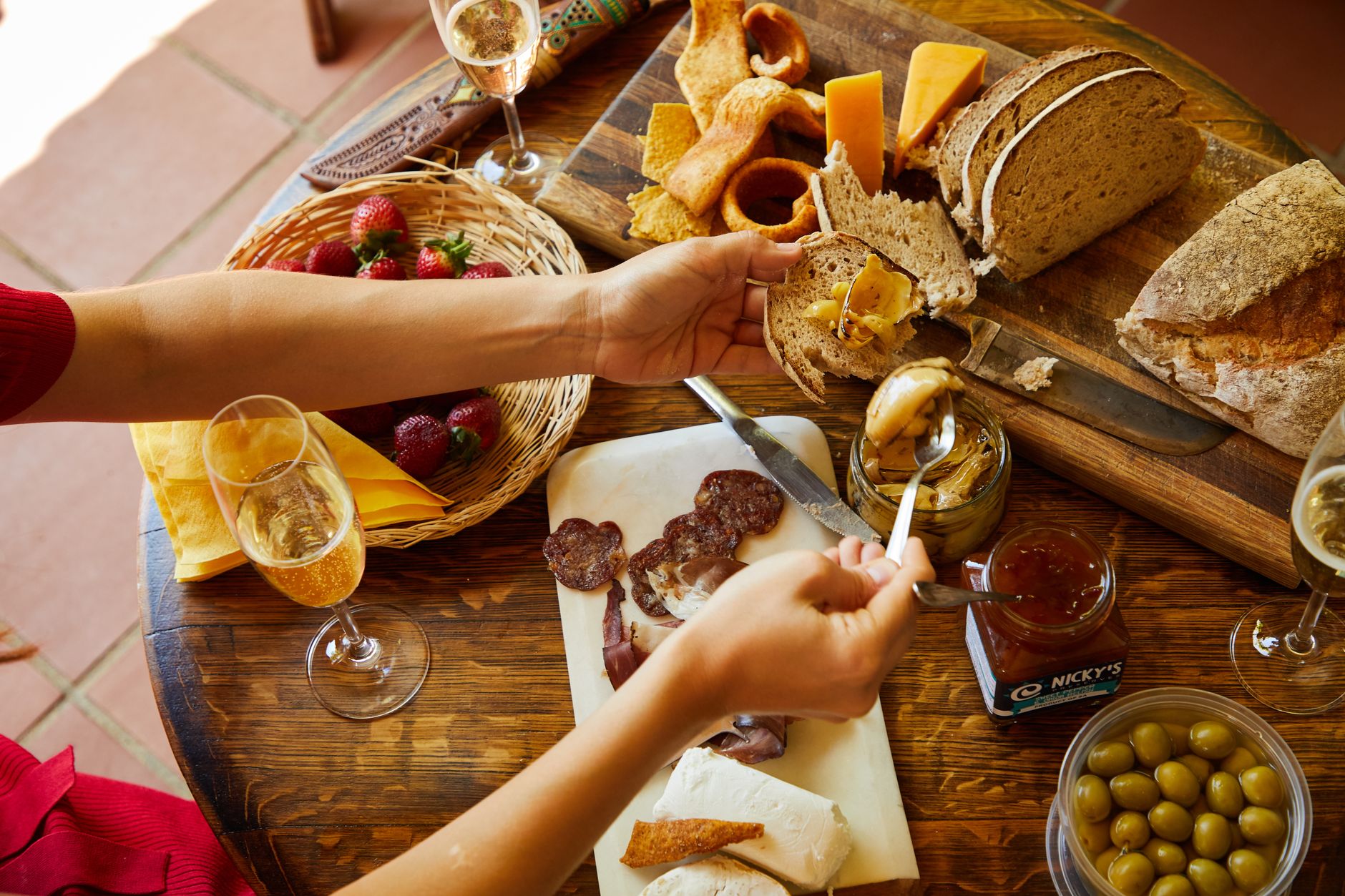
As the initial wave of butter board enthusiasm stabilizes into a permanent fixture of casual catering, industry analysts and trendsetters are identifying the next logical iterations of the trend. The core mechanics of the trend, which rely on spreadable foundations paired with crunchy or savory contrast elements, are being applied to a wider array of ingredients. Whipped ricotta, labneh, cream cheese, savory dips, and sweet chocolate spreads are all being deployed in similar interactive formats to diversify flavor profiles and accommodate dietary restrictions.
According to reporting by TODAY, the evolution of these visual food trends leans heavily into interactive, assemble-it-yourself dining that emphasizes texture and customization. Food service operators are observing that younger demographics prioritize experiential dining, where the visual presentation of a dish holds equal weight to its taste profile. Consequently, upcoming menu developments are focusing on visually striking, colorful spreads that utilize seasonal produce, fermented foods, and vibrant spices to create contrast and capture attention on digital feeds.
For restaurant operators, the decision to incorporate viral food trends into permanent menus involves a delicate balancing act between marketing value and labor costs. While a visually appealing dish serves as free promotional material when shared by customers, the labor required to artfully construct intricate spreads can erode profit margins. Plating a complex board requires meticulous hand assembly, which increases kitchen ticket times during busy service windows if staff members are not properly trained in standardized assembly techniques.
To maximize profitability, successful operations streamline the preparation process by batching ingredients and using pre-measured portions. Standardizing the layout ensures consistent portion control while preserving the artistic aesthetic that attracts customers in the first place. By controlling variable labor costs and monitoring ingredient waste, venues can successfully capture the revenue potential of viral culinary movements without compromising operational efficiency or overburdening kitchen staff.
For the everyday consumer and home entertainer, the evolution of viral dining trends translates to more creative, interactive options at both restaurants and social gatherings. You can expect to see dining venues offering elevated, customizable shareable platters that move beyond traditional charcuterie into diverse culinary territories. Understanding the economics behind these dishes allows you to appreciate the craft while recognizing how restaurants leverage visual appeal to enhance your overall dining experience.
As these trends continue to cycle through social media feeds and menu boards, consumers hold significant power in shaping which formats endure. By embracing dishes that combine high-quality basic ingredients with thoughtful labor and presentation, you support kitchen innovation while enjoying memorable meals. Whether preparing an artful spread at home or ordering a communal board at a local bistro, the focus remains on shareable, tactile food that brings people together around the table.
Sources and methodology
Reported from the public datasets below.
More from the Foodie Pundit Newsroom
- Restaurants Adapt Menu Strategies as Grazing Culture Reshapes Casual Dining Economics
- Fast Casual Chains Retreat as Footprint Reductions Take Hold Across the Country
- Renowned Houston Sichuan Spot Shuts Down Following Bankruptcy Petition
- Houston Sichuan Favorite Ghosts Customers Following Bankruptcy Filing
- Fast Casual Chain Pulls Out Of California Market Overnight