Beyond the Hype: How GLP-1 Weight Loss Drugs Are Permanently Rewiring Food Product Development
While peak media fascination with weight loss medications has crested, GLP-1 therapies are driving a permanent culinary pivot toward smaller portions, nutrient
By Foodie Pundit Newsroom - Published - Section: Glp1 Weight Loss
Key points
- GLP-1 medications are driving a permanent shift toward high-protein, nutrient-dense foods as reduced appetite makes every calorie count.
- Taste preferences are shifting away from ultra-processed, sugary, and fried options toward cleaner, fresher, and savory flavor profiles.
- Restaurants and CPG manufacturers are redesigning menus and product pipelines around smaller portions and functional ingredients.
- Food industry revenue is reallocating toward premium, health-focused options rather than suffering a complete decline.
The initial viral frenzy surrounding GLP-1 weight loss medications like Ozempic, Wegovy, and Mounjaro may have settled into a steady baseline, but the long-term impact on the food and beverage landscape is just getting started. What began as a sudden shift in consumer appetite has evolved into a structural transformation for restaurant operators and packaged goods manufacturers. Analysts across the food sector indicate that while public fascination with these drugs has plateaued, actual prescription rates continue to climb steadily across demographic groups.
As millions of consumers adjust to reduced hunger signals and altered taste preferences, the food industry is recalibrating its product development strategies. According to recent analysis from Food Industry Executive, the initial panic among snack makers and fast food operators has given way to targeted reformulation. Food science labs are now prioritizing high-density nutrition, smaller portion sizes, and functional ingredients designed specifically to complement the unique dietary needs of GLP-1 users.
THE SHIFT FROM PORTION SIZE TO NUTRIENT DENSITY
The immediate effect of GLP-1 therapy is a noticeable reduction in total daily calorie intake. When patients eat significantly less food, every bite carries greater nutritional stakes. Food companies are responding by shifting their emphasis away from sheer volume toward maximum nutrient density per serving. High-protein items, fiber-fortified meals, and essential micronutrients are taking center stage on retail shelves and restaurant menus alike.
This structural shift requires a complete overhaul of traditional menu design and recipe formulation. Rather than offering massive super-sized meals that go unfinished, fast-casual chains are developing nutrient-packed smaller plates. These items are crafted to deliver adequate protein to prevent muscle loss, a common side effect of rapid weight loss, while keeping caloric totals low enough to fit reduced appetites.
Beyond simple appetite suppression, GLP-1 medications alter how brain chemistry registers pleasure from food, particularly regarding fats, sugars, and overly salty items. Consumer surveys show that many users report a sudden loss of interest in ultra-processed snacks and greasy fried foods. Instead, their palates lean toward cleaner, fresher, and less sweet options.
This subtle flavor reset is reshaping ingredient sourcing and culinary technique. Flavorists and corporate chefs are scaling back on heavy sauces, intense artificial sweeteners, and deep-frying methods. Instead, culinary teams are leaning heavily into complex herbal profiles, bright citrus finishes, real fruit extracts, and natural umami sources like fermented ingredients to create satisfying meals that do not rely on excessive fat or sugar.
For the restaurant industry, the rise of GLP-1 usage presents both a challenge to traditional volume-based business models and a fresh market opportunity. Fast food chains that built their revenue strategies around impulse buys and heavy snacking add-ons are feeling the pinch. Conversely, health-conscious fast-casual brands are uniquely positioned to capture market share by offering flexible, customizable dining options.
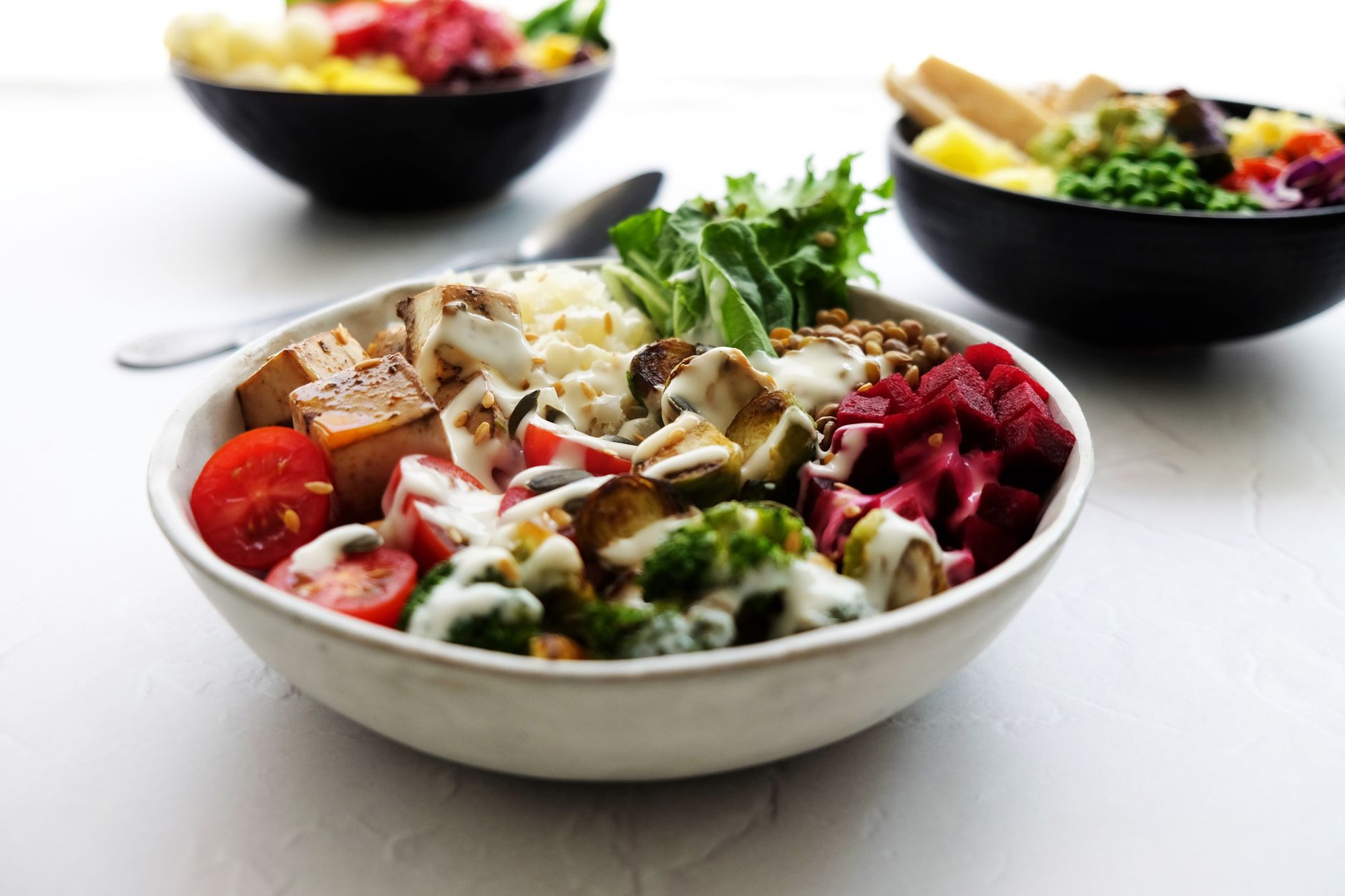
Operators are beginning to introduce dedicated menu sections aimed at low-appetite diners. These offerings focus on portion flexibility, such as half-size entrees, nutrient-dense bowls, and protein-heavy sides. By catering directly to GLP-1 users rather than ignoring them, forward-thinking restaurants are building long-term brand loyalty among a rapidly growing and affluent demographic.
In the consumer packaged goods sector, major food manufacturers are quietly adjusting their innovation pipelines to align with long-term GLP-1 adoption trends. Food Industry Executive reports that product developers are focusing heavily on functional beverages, gut health solutions, and targeted protein supplements. These products are designed to address common side effects associated with GLP-1 therapies, including digestion issues and muscle degradation.
At the same time, traditional packaged food giants are acquiring or investing in emerging wellness brands. By incorporating gut-friendly fibers, prebiotics, and highly digestible whey and plant proteins into mainstream product lines, CPG brands hope to offset declining sales of traditional high-calorie junk foods. This strategy reflects a broader industry recognition that weight loss drugs represent a permanent shift in consumer purchasing habits rather than a fleeting diet trend.
The broader financial implications for the food intelligence landscape are profound. While early market predictions warned of severe revenue declines for the food industry, current data suggests a reallocation of consumer spending rather than a total collapse. Money previously spent on high-volume snack foods and large fast-food portions is increasingly redirected toward premium, high-quality, and health-focused food items.
As insurance coverage for GLP-1 medications expands and production costs decrease, user bases are projected to expand significantly over the next decade. Food brands that act now to reformulate products, adjust portion structures, and pivot toward clean-label innovation will be best positioned to thrive in this new market reality. The era of high-calorie volume driving food profitability is giving way to a new paradigm centered on quality, functionality, and nutrition.
As a consumer or industry observer, you can expect to see significant changes in grocery store aisles and restaurant menus over the coming months. Portion sizes at fast-casual dining spots will likely become more versatile, featuring more half-portion options and protein-dense side dishes. On grocery shelves, expect an influx of functional foods explicitly labeled for protein density and digestive health, alongside subtle reformulations of legacy products to reduce sugar and heavy oils. Understanding these trends will help you navigate an evolving food marketplace that increasingly prioritizes nutritional value over raw calorie counts.
Sources and methodology
Reported from the public datasets below.
More from the Foodie Pundit Newsroom
- How GLP-1 Appetite Suppressants Are Rewiring Restaurant Menus and Consumer Cravings
- How Weight Loss Medications Are Transforming Grocery Shopping and Restaurant Menus
- Changing Taste Buds and Curbed Cravings Force a Strategic Shift in Restaurant Economics
- How GLP-1 Medications Are Transforming Consumer Cravings and Forcing Menu Innovations
- Ozempic and Wegovy Trigger Unexpected Dietary Shifts as Consumer Cravings Evolve