Caffeine Habit Outpaces Inflation as Premium Coffee Demand Holds Firm
Despite broader inflationary pressures on food budgets, consumers continue to prioritize daily coffee runs and customized beverage purchases.
By Foodie Pundit Newsroom - Published - Section: Coffee Cafes
Key points
- Custom coffee drinks remain resilient as consumers treat small daily indulgences as non-negotiable expenses.
- High-margin add-ons and cold beverage customizations allow operators to offset rising labor and input costs.
- Digital rewards programs and optimized store operations drive high customer retention and peak throughput.
- Cold beverage popularity expands sales beyond the traditional morning rush into afternoon hours.
Rising prices across the restaurant industry have forced many households to trim daily expenses, yet premium coffee remains a notable exception. Recent financial disclosures analyzed by CNBC indicate that Starbucks continues to see strong customer traffic despite broad inflationary pressures hitting consumer wallets. Rather than cutting back on morning lattes or cold brews, diners are treating their specialized coffee orders as non-negotiable daily rituals.
This persistent demand highlights a unique dynamic within the food and beverage sector. While sit-down dining establishments and traditional fast-food outlets face traffic declines when menu prices rise, affordable luxuries like custom coffee orders hold up remarkably well. Consumers appear willing to absorb modest price increases for quick, personalized indulgences that provide emotional utility during stressful economic periods.
The concept of the lipstick effect, where consumers buy small premium items during economic downturns, offers a helpful lens for understanding current coffee shop performance. A five dollar iced beverage represents an accessible indulgence compared to larger discretionary purchases like vacations, apparel, or high-end dinners. Consequently, beverage operators benefit from a steady stream of traffic even as households trim bigger budget items.
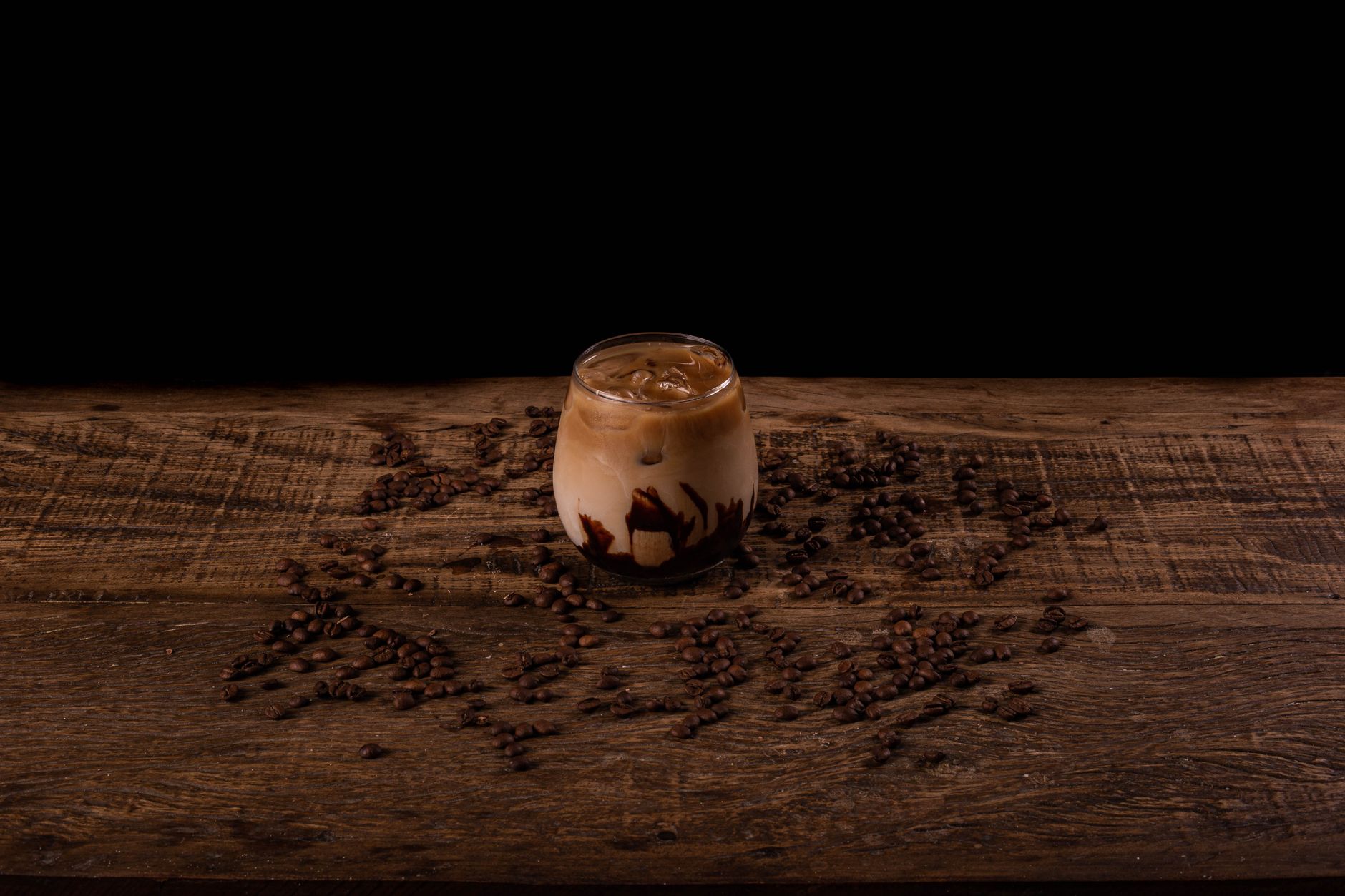
According to CNBC reporting, beverage customization plays a pivotal role in retaining this high-margin customer base. Cold beverages, syrup modifications, and espresso additions allow consumers to build proprietary drinks that feel distinct and personal. These add-ons significantly increase the average check size, giving chain operators a built-in cushion against input cost inflation and rising wage expenses.
OPERATIONAL EFFICIENCY MEETS MOBILE MONETIZATION
Beyond basic consumer psychology, significant investments in digital ordering and rewards infrastructure have strengthened brand stickiness. Mobile apps allow chains to drive order frequency through targeted promotions, tailored rewards, and seamless payment flows. Customers who utilize digital loyalty programs demonstrate higher visit frequencies and lower price sensitivity than casual walk-in patrons.
Operational changes inside the stores have also helped accommodate sustained volume during peak hours. Investments in automated espresso machinery, improved ice dispensers, and streamlined mobile order pickup bays reduce wait times and prevent drive-thru bottlenecks. By maximizing throughput during the critical morning rush, high-volume locations can capture maximum market share even when operational costs rise.
The underlying cost structure of the coffee sector provides additional advantages over traditional quick-service restaurants. While protein prices and fresh produce costs have fluctuated wildly over the past two years, green coffee beans and milk components have experienced different pricing cycles. Highly efficient supply chains enable global coffee roasters to hedge commodity risks far in advance, stabilizing wholesale margins.
Labor remains the primary operational headwind, with wage mandates and competitive hiring environments pushing store-level expenses higher across urban markets. However, the high gross margins inherent to liquid beverages give coffee operators far more pricing power than traditional food concepts. A small price increase on a high-margin beverage yields disproportionate profit gains, allowing operators to absorb labor cost increases without sacrificing overall earnings.
SHIFTING CONSUMER PREFERENCES TOWARD COLD BEVERAGES
A fundamental shift in beverage consumption patterns has permanently altered the unit economics of chain coffee shops. Cold beverages now account for the vast majority of sales at major chains, particularly among younger demographics. Cold drinks are uniquely suited for complex customizations, which carry higher price tags and higher profit margins than traditional hot drip coffee.
Furthermore, cold beverage consumption extends well beyond the traditional morning rush, driving afternoon store traffic that historically lagged for coffee operators. This steady afternoon traffic maximizes labor efficiency throughout the entire operating day. By keeping espresso machines and drive-thru lanes busy during off-peak hours, store operators achieve better fixed-cost absorption across their retail real estate footprints.
COMPETITIVE REALIGNMENT IN THE RESTAURANT SECTOR
The resilience of premium coffee hubs has prompted intense competition across the broader food industry. Convenience stores, fast-food giants, and casual dining brands are expanding their specialty beverage portfolios to capture a share of these lucrative margins. However, established coffee chains maintain a strong defense through brand equity, reward program scale, and specialized store formats.
Smaller independent cafes face a more complex balancing act in this inflationary environment. While boutique shops often possess strong community loyalty, they lack the global supply chain scale and digital infrastructure of corporate giants. As a result, market share continues to consolidate toward major operators that can leverage technology investments to maintain speed and profitability.
For everyday consumers, the continued strength of coffee chains suggests that specialized beverage prices are unlikely to drop anytime soon. Operators have learned that demand remains inelastic even when prices rise, meaning pricing power will stay firm across major metro areas. If you are looking to manage your monthly spending without giving up your favorite caffeine routine, utilizing mobile rewards programs and skipping premium syrups or extra espresso shots remains the most effective strategy.
From an industry perspective, the ongoing success of premium coffee serves as a blueprint for restaurant operators struggling with declining foot traffic. Businesses that prioritize high-margin customizable items, frictionless mobile ordering, and strong loyalty perks are far better equipped to withstand broader economic uncertainty. As long as consumers view daily coffee as an essential habit rather than a luxury, beverage operators will continue to outperform traditional dining establishments.
Sources and methodology
Reported from the public datasets below.
More from the Foodie Pundit Newsroom
- Fast Casual Concepts Lead Restaurant Industry Growth Through Efficiency and Digital Convenience
- Coffee Chains Maintain Strong Revenue Growth as Consumers Prioritize Morning Rituals Over Inflation Scars
- Historic Bay Area Diner Shuts Down After Five Decades of Service
- Fast Casual Concepts Outpace Traditional Restaurants as Diners Seek Value and Speed
- New York Culinary Scene Shifts as 30 Restaurants Earn New Michelin Honors