Canned Cocktail Sales Surge as Consumers Embrace Convenience Over Home Mixology
Ready-to-drink cocktails are dominating retail shelves and venue concession stands as consumers trade complex home bartending for premium canned convenience.
By Foodie Pundit Newsroom - Published - Section: Wine Spirits
Key points
- Premixed cocktail sales continue to outpace traditional beer and wine categories through sustained consumer demand for convenience.
- Distillers are utilizing premium spirit bases and advanced carbonation to mimic the quality of hand-shaken bar drinks.
- On-premise venues and stadiums are adopting canned cocktails to reduce service times and mitigate ongoing hospitality labor shortages.
- Market consolidation is accelerating as major beverage conglomerates acquire independent craft cocktail brands to secure shelf space.
The retail beverage landscape is experiencing a massive transformation as premixed alcoholic beverages capture unprecedented market share. Consumers across the country are trading complex home bartending routines for canned convenience, driving a sustained surge in sales across grocery stores, liquor shops, and venue concessions. Industry data indicates that this shift represents more than a temporary pandemic hangover, signaling a structural realignment in how Americans consume spirits.
Reporting from Beverage Industry Magazine highlights that the ready-to-drink sector has outgrown nearly every other traditional beverage category over the last three years. While traditional beer sales have flattened and wine consumption faces demographically driven headwinds, premixed cocktails continue to post double-digit annual growth. This rapid expansion is altering distribution channels and forcing major beverage conglomerates to reallocate capital toward canned formulation and canning infrastructure.
THE CONVENIENCE FACTOR AND CONSUMER BEHAVIOR
The primary engine behind this boom is an uncompromising consumer demand for convenience without a perceived drop in product quality. Modern ready-to-drink options have largely abandoned the cloying, artificial flavor profiles that characterized the malternatives of previous decades. Premium spirits brands now package authentic tequila, bourbon, and craft gin directly into sleek aluminum cans, matching the flavor precision of an upscale cocktail lounge.
Busy lifestyle patterns have reinforced this purchasing behavior among suburban and urban demographics alike. A consumer who might hesitate to purchase five separate ingredients for a single night of home entertaining can easily pick up a four-pack of pre-portioned margaritas or old fashioneds. Furthermore, the portability of canned beverages opens up new consumption occasions, including outdoor picnics, boating, sporting events, and music festivals where glass bottles and elaborate barware are prohibited.
As competition inside the canned cocktail aisle intensifies, manufacturers are increasingly leaning into premium ingredients to differentiate their offerings. High-end spirit bases, organic juices, natural botanical extracts, and lower-sugar formulations are now standard selling points on retail displays. Consumers have shown a remarkable willingness to absorb higher price points per fluid ounce in exchange for clean ingredient labels and recognizable top-shelf liquor brands.
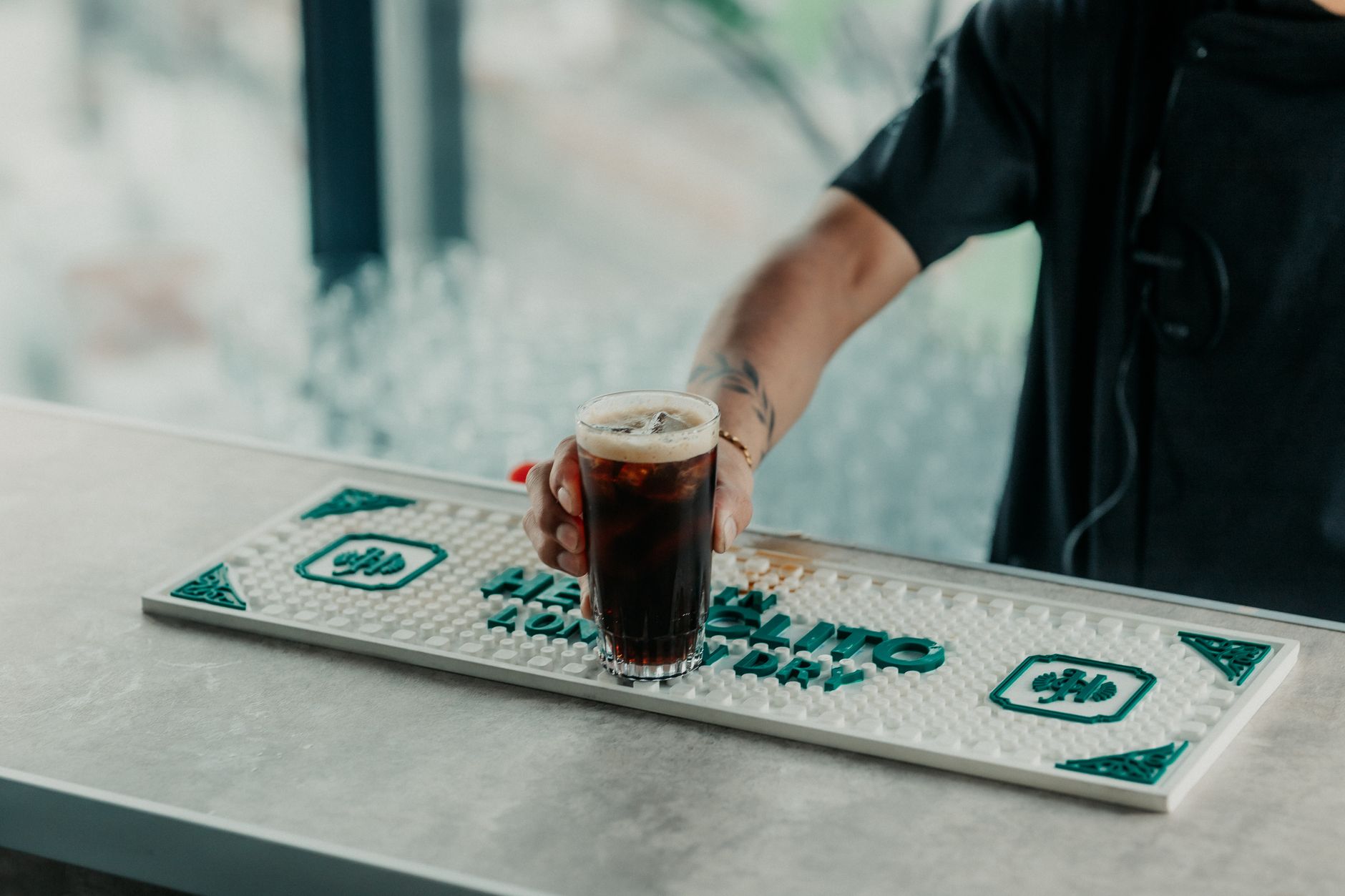
Distillers are also experimenting with sophisticated carbonation techniques and nitrogen infusions to mimic the texture of freshly shaken drinks. Espresso martinis, cold brew cocktails, and sparkling craft mules have emerged as top performers in regional markets. By replicating the exact mouthfeel and visual presentation of draft or hand-shaken cocktails, brands are dismantling the historic consumer perception that canned liquor represents an inferior choice.
DISTRIBUTION CHALLENGES AND RETAIL REAL ESTATE
The meteoric rise of premixed drinks has created significant friction on retail shelves and within traditional distribution networks. Grocery store managers are actively reallocating refrigerator space away from standard domestic light beers and flavored malt beverages to accommodate the influx of new spirits-based canned brands. However, navigating complex state-level alcohol distribution laws remains a major hurdle for emerging independent producers.
Regulations governing spirits differ sharply from those applied to beer and wine in many jurisdictions, impacting tax rates, retail license requirements, and shelf placements. In states where spirits can only be sold in state-run control stores, ready-to-drink products face strict listing quotas and limited cooler access. Despite these regulatory patchwork obstacles, strong consumer demand is driving state legislatures across the nation to consider modernized distribution laws that treat low-alcohol canned spirits similarly to beer.
While the boom began in off-premise retail settings, bars, restaurants, and entertainment venues are rapidly embracing canned cocktails to solve operational bottlenecks. Venues facing severe labor shortages and rising wage costs find that serving a pre-canned cocktail dramatically reduces service times while maintaining strict portion control. Bartenders can serve five customers a canned craft margarita in the time it takes to manually measure, shake, and strain a single drink.
High-volume environments like stadium arenas and concert halls have reported significant revenue gains after introducing branded cocktail cans at concession stands. Eliminating drink preparation time increases point-of-sale throughput during short intermissions and halftime breaks. Even traditional sit-down restaurants are adding premium canned options to their menu as secondary offerings for outdoor patio seating and busy weekend lunch shifts.
The rapid proliferation of hundreds of new canned cocktail brands suggests that a period of market consolidation is imminent. Beverage conglomerates are aggressively acquiring fast-growing regional brands to instantly secure supply chain capabilities and retail shelf dominance. Smaller craft operations that lack national distribution scale may struggle to retain display space as major players roll out extensive marketing campaigns and cross-promotional retail deals.
At the same time, line extensions from established non-alcoholic beverage brands are blurring category boundaries. Soft drink manufacturers and juice companies are partnering with major spirit houses to launch branded alcohol versions of classic soda favorites. This cross-category innovation ensures that the ready-to-drink shelf will remain one of the most dynamic and heavily contested spaces in the retail grocery sector for years to come.
For daily consumers, the continued expansion of the premixed cocktail market translates directly to superior variety, higher product quality, and better price accessibility at local retail stores. You can expect to see an even wider selection of authentic, bar-quality drinks available in portable formats at your neighborhood supermarket and local sports venues.
For restaurant goers and event attendees, this shift means shorter line wait times at high-volume bars, stadiums, and festival venues. While you may notice more venues serving high-end canned options alongside traditional draft beer, you will benefit from consistent drink quality and faster service regardless of how busy the bar floor becomes.
Sources and methodology
Reported from the public datasets below.
More from the Foodie Pundit Newsroom
- Why Supermarket Prices Are Staying High Despite Cooling Overall Inflation
- Canned Cocktails Transform Beverage Retail as Consumer Demand Surges
- The Economic and Flavor Evolution of Non-Alcoholic Craft Beer
- TikTok Pastas and Viral Bites Are Rewriting Restaurant Economics
- Pantry Dining Goes Mainstream As Grocery Brands Capitalize On Grazing Culture